

In the evolving landscape of artificial intelligence, where agents increasingly operate with autonomy, the bottleneck has never been computation power but rather the archaic payment rails that hobble their economic independence. Enter the x402 protocol, harnessing the long-dormant HTTP 402 'Payment Required' status code to inject frictionless micropayments directly into web communications. This isn't just a technical tweak; it's a pragmatic pivot enabling AI agents to negotiate, price, and settle sub-cent transactions in real time, fostering genuine autonomous AI economies.
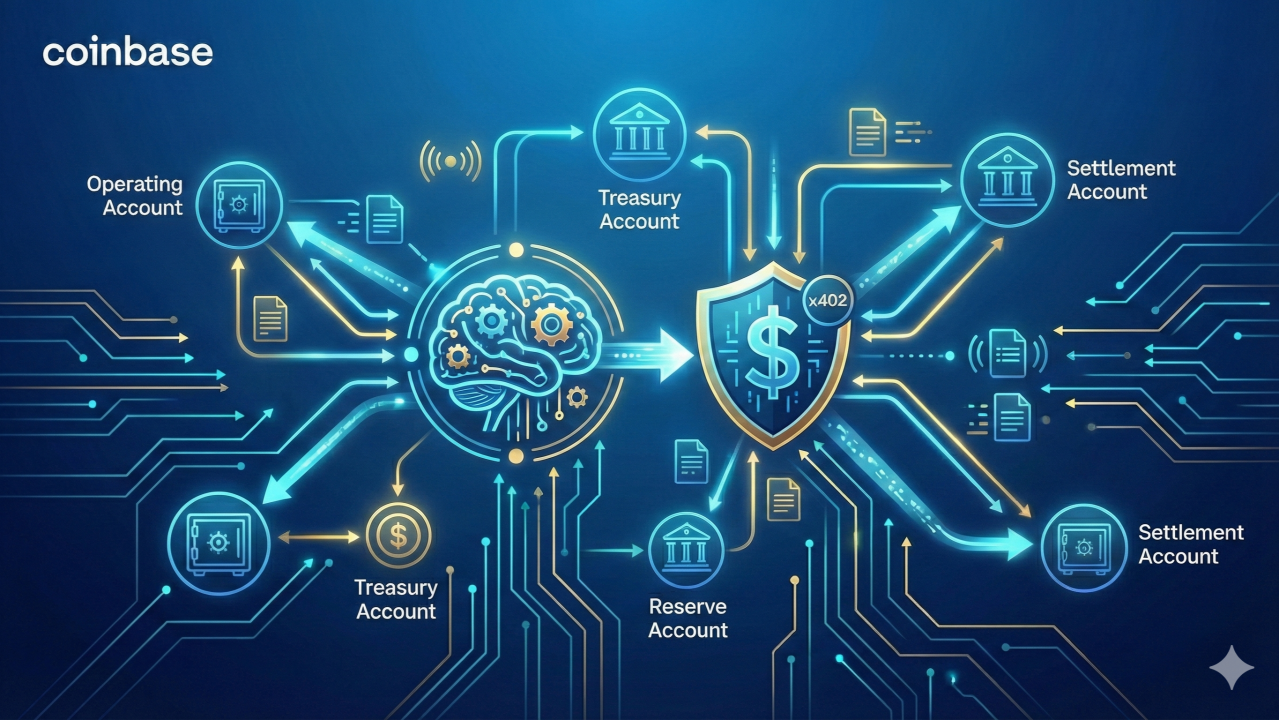
Platforms like 402pay are leading this charge, delivering web-native infrastructure over decentralized rails. AI agents can now invoke APIs for inference, data retrieval, or even creative generation, paying precisely per use without subscriptions or intermediaries siphoning value. This pay-per-use inference model aligns incentives sharply: providers meter access granularly, while agents optimize costs on the fly.
The Mechanics of x402 in AI Agent Transactions
At its core, x402 embeds payment challenges into standard HTTP flows. When an AI agent requests a resource, the server responds with a 402 status, including payment details in headers: amount, currency (often USDC on chains like Base), and settlement instructions. The agent evaluates, authorizes via its wallet, and resubmits with proof-of-payment. Settlement happens on-chain instantly, often under a second for high-throughput layers.
Key x402 Benefits for AI Agents
- Seamless Integration: Uses HTTP 402 'Payment Required' status for instant, web-native micropayments without external gateways.
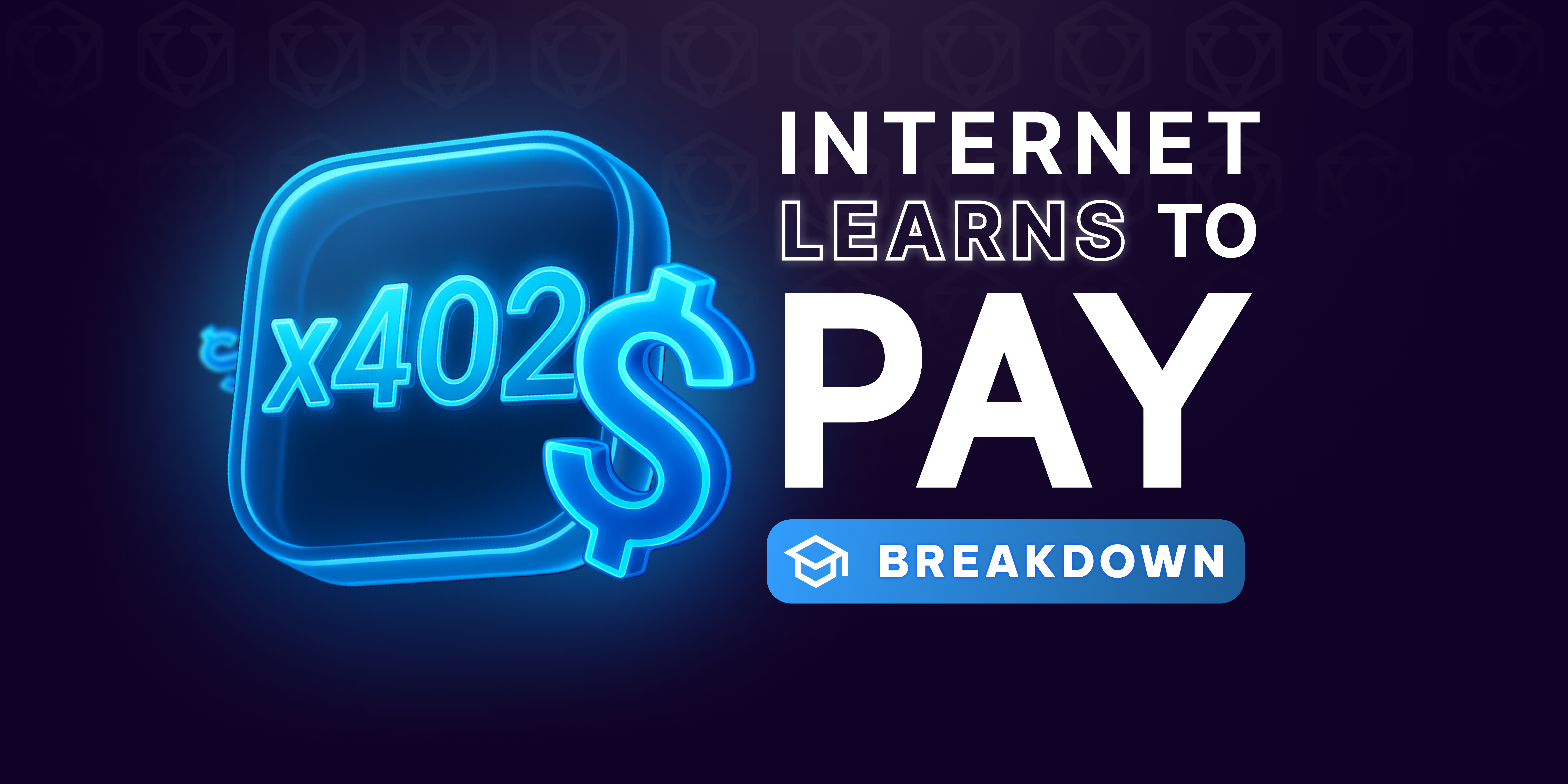
- Sub-Cent Precision: Enables micropayments in USDC on Base, settling fractions of a cent for API calls like GPT or DALL·E.
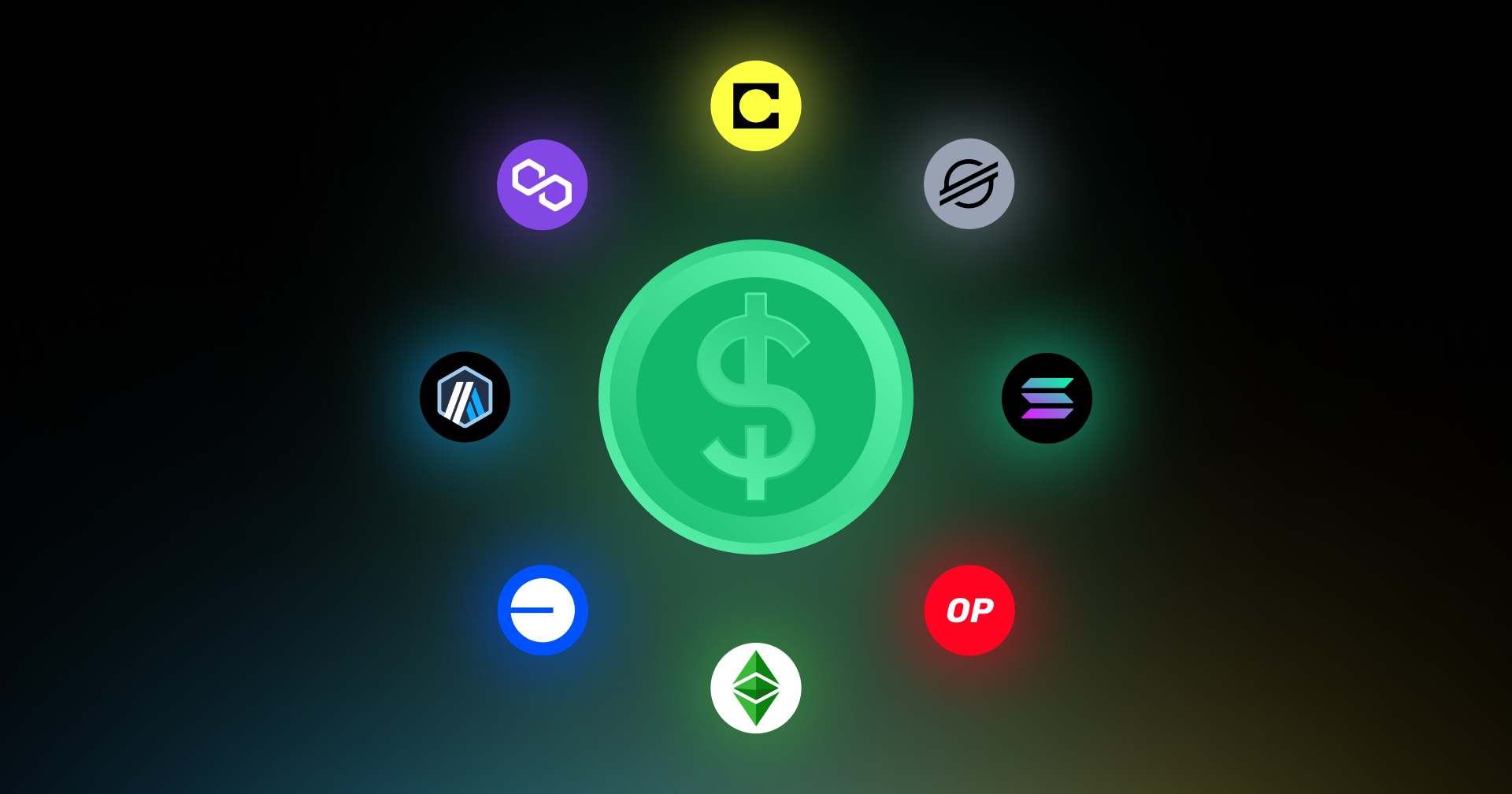
- Autonomous Decision-Making: AI agents independently decide, price, and settle payments via platforms like 402pay.
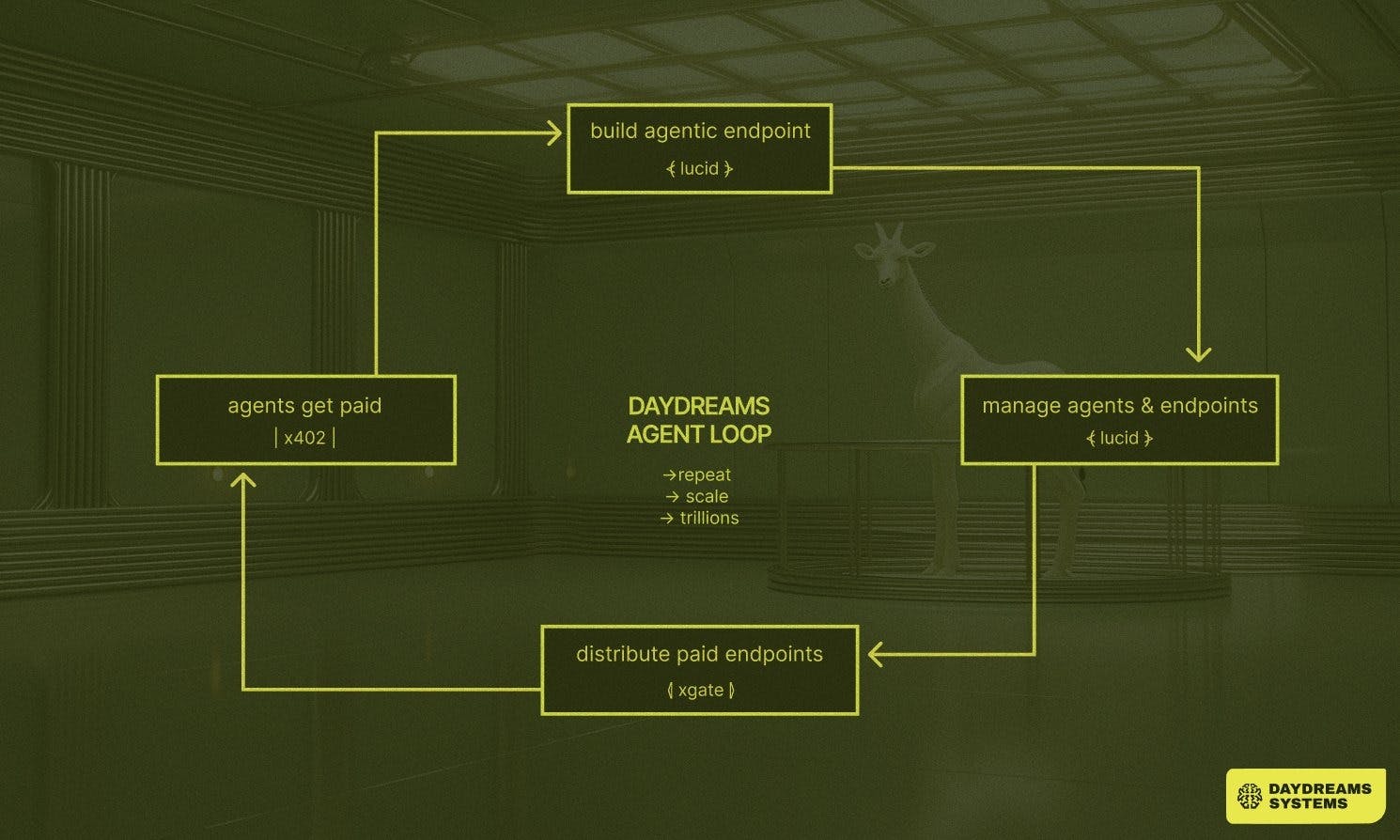
- Scalability for High-Volume Inference: Handles rapid, high-frequency transactions for APIs and data services at scale.
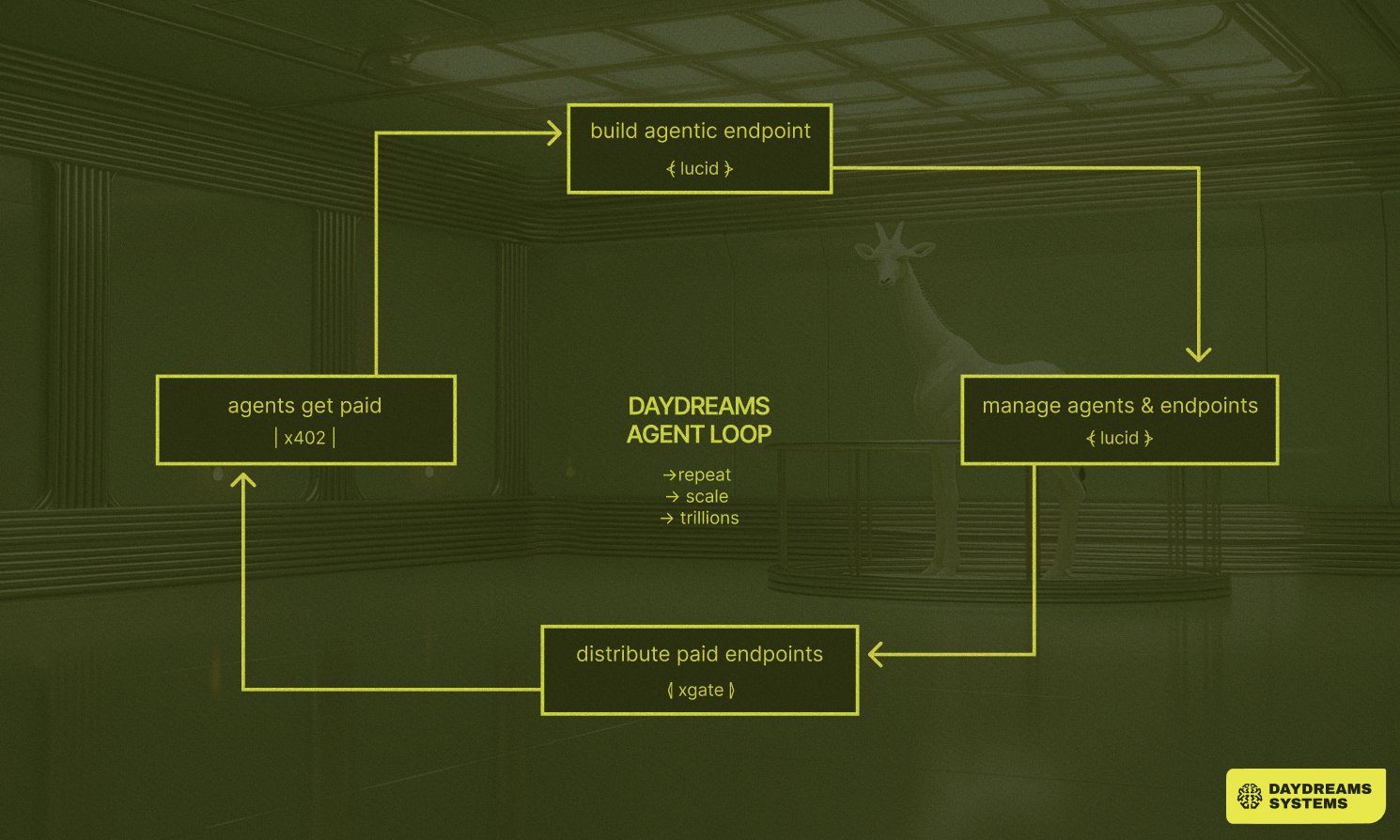
This protocol shines in agentic workflows. Consider a Claude plugin paying for Grok or DALL-E calls using USDC; the flow is seamless, as demonstrated in developer communities. No more clunky off-ramps or batching delays that plague traditional crypto payments. x402 redefines on-chain micropayments, making them viable for the bursty, unpredictable demands of AI agent micropayments.

Real-World Deployments Powering Agent Economies
Early adopters are already proving the protocol's mettle. 402pay enables agents to handle everything from API inferences to data feeds autonomously. A Reddit thread details a Claude Code implementation where agents pay for external GPT or image gen calls, showcasing the x402 flow end-to-end. Meanwhile, initiatives like Agent2Agent x402 integrate with stablecoins via Coinbase, hinting at broader ecosystem plays even from giants like Google.
Forbes highlights how this 'payment required' signal weaves transactions into the fabric of web delivery, quietly building a new internet layer. Galaxy Research notes x402's role in elevating AI agents to full economic actors, with blockchains providing the quiet backbone. In practice, this means agents trading services peer-to-peer: one agent pays another for specialized inference, negotiating terms dynamically.
Overcoming Legacy Payment Friction in Autonomous AI Economies
Traditional systems falter here; credit cards demand minimums too high for micro-inference, while bank transfers crawl at daily speeds. Crypto's volatility and gas fees previously deterred sub-dollar use cases, but x402 sidesteps these with standardized headers and layer-2 efficiency. A comparative study pits it against AP2 protocols, concluding x402 excels for popular API micropayments, handling volumes traditional finance can't touch.
OneKey's analysis on the Agentic Web envisions agents negotiating payments autonomously, a transformation grounded in x402's open standard. OnFinality's guide underscores real-time API-to-agent settlements, redefining onchain economics. The result? An autonomous AI economy where agents hold wallets, assess value, and transact without human oversight, scaling to millions of daily inferences.
This frictionless foundation doesn't just enable; it demands a reevaluation of AI monetization. Providers shift from opaque subscriptions to transparent per-token billing, while agents evolve budgeting logic akin to human traders in forex pits - always scanning for value arbitrage across providers.




No comments yet. Be the first to share your thoughts!