

In the bustling ecosystem of AI APIs, where agents and services exchange data at lightning speed, the need for trustworthy, frictionless payments has never been more acute. RelAI Facilitator, combined with Zauth's robust verification layer, steps in as a game-changer for x402-enabled endpoints. This duo ensures that every API call not only settles instantly via micropayments but also passes stringent trust checks, shielding users from unreliable or rogue services. Developers can now monetize their AI tools with confidence, knowing that RelAI x402 facilitator handles the heavy lifting of multi-chain settlements without gas fees eating into profits.

The x402 protocol itself revives an underused HTTP status code-402 Payment Required-to enable machine-native payments over the web. Unlike traditional subscription models that lock users into commitments they might not need, x402 demands payment per use, aligning costs precisely with value delivered. For AI APIs, this means agents can query endpoints on-demand, paying stablecoin fractions of a cent without accounts, keys, or sign-ups. RelAI elevates this by sponsoring gas costs across networks like SKALE Base, Avalanche, Base, and Solana, making it viable for high-volume inference workloads.
Why RelAI Facilitator Redefines API Monetization
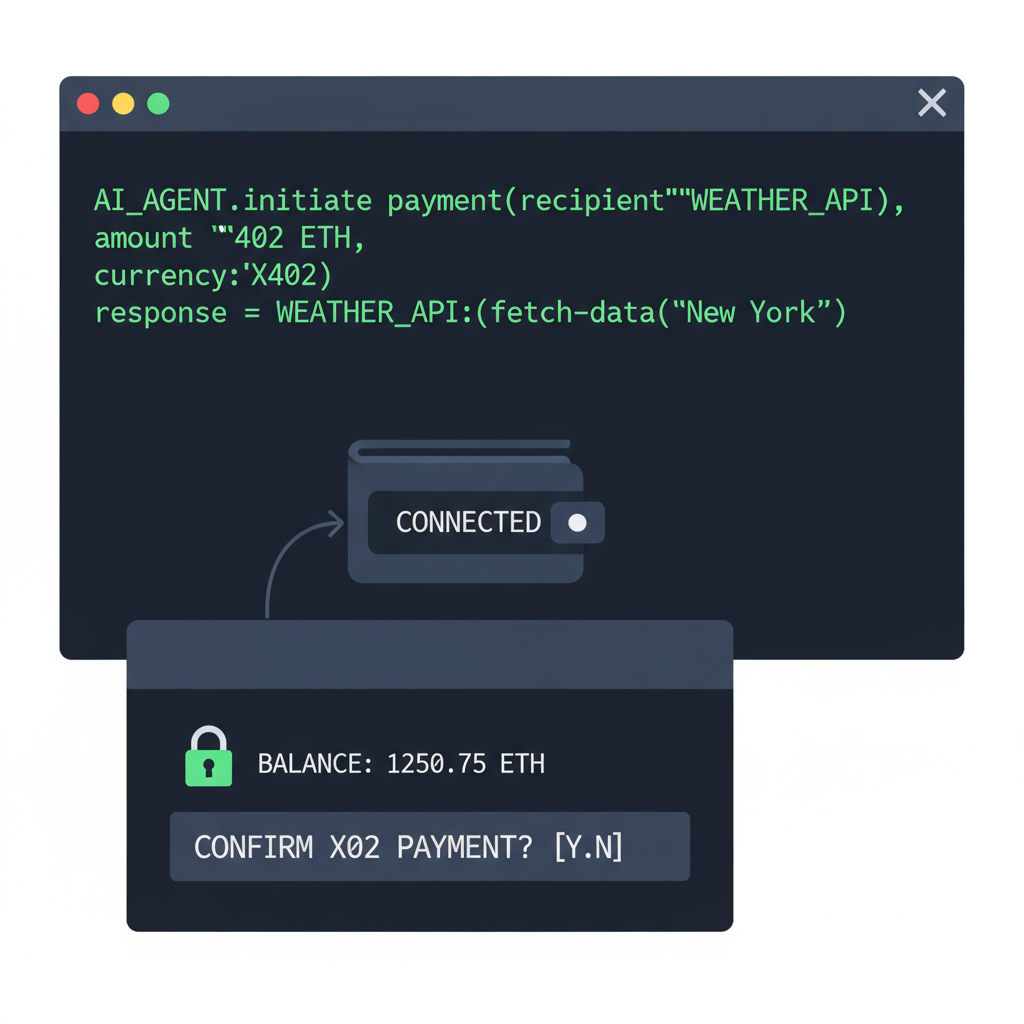
Picture this: an AI agent needs real-time weather data for a forecast model. Under legacy systems, it would require API keys, rate limits, and billing disputes. With RelAI, the agent hits the endpoint, gets a 402 challenge, approves the micro-transaction, and receives the data-all in milliseconds. The facilitator's v2 compliance standardizes payloads and endpoints, while its gas sponsorship removes the biggest barrier to adoption. Providers list on relai. fi's marketplace, turning dormant APIs into revenue streams overnight.
Facilitation in x402 is critical-verification and settlement ensure resources are paid properly.
This isn't just technical plumbing; it's a strategic shift. API creators gain granular control over pricing per call, fostering sustainable growth without middlemen skimming margins. Early adopters report seamless scaling, as RelAI's multi-chain support dodges congestion on any single network. In my view, this model outpaces clunky Web2 billing, positioning x402 as the backbone for AI-to-AI economies.

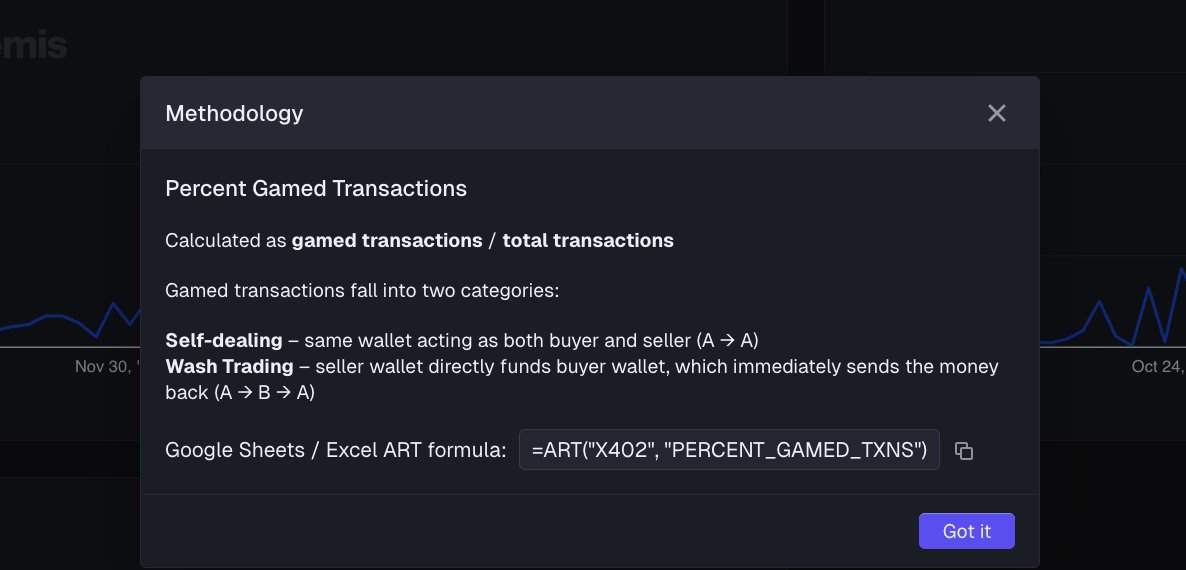
Zauth Integration: The Trust Anchor for AI Endpoints
Trust remains the Achilles' heel in decentralized API markets. Malicious or broken endpoints could drain wallets on failed calls. Zauth addresses this head-on with zauth x402 trust mechanisms, performing pre-payment validations via HEAD and GET requests. If an endpoint fails to respond correctly or returns suspicious payloads, Zauth blocks the payment, saving users from waste. Integrated natively into RelAI, this creates a fortified layer atop x402 v2.
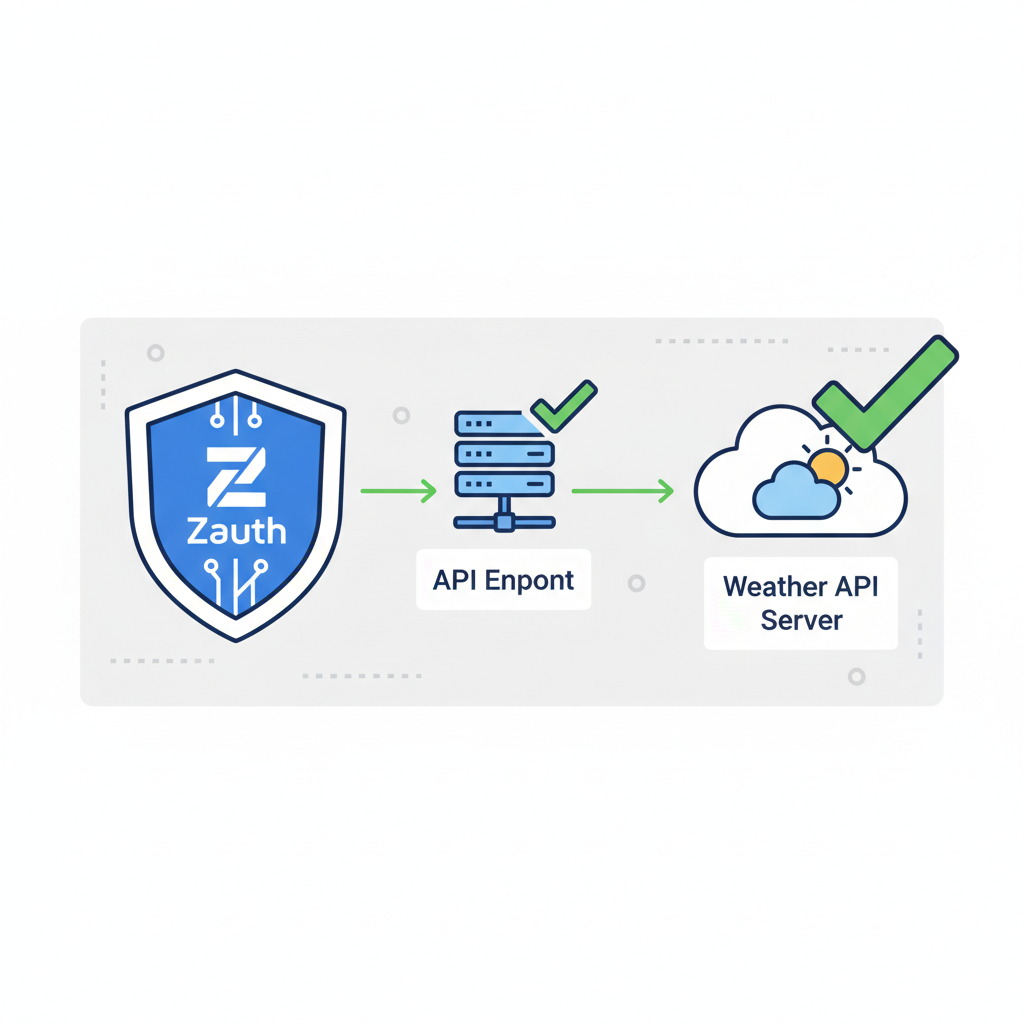
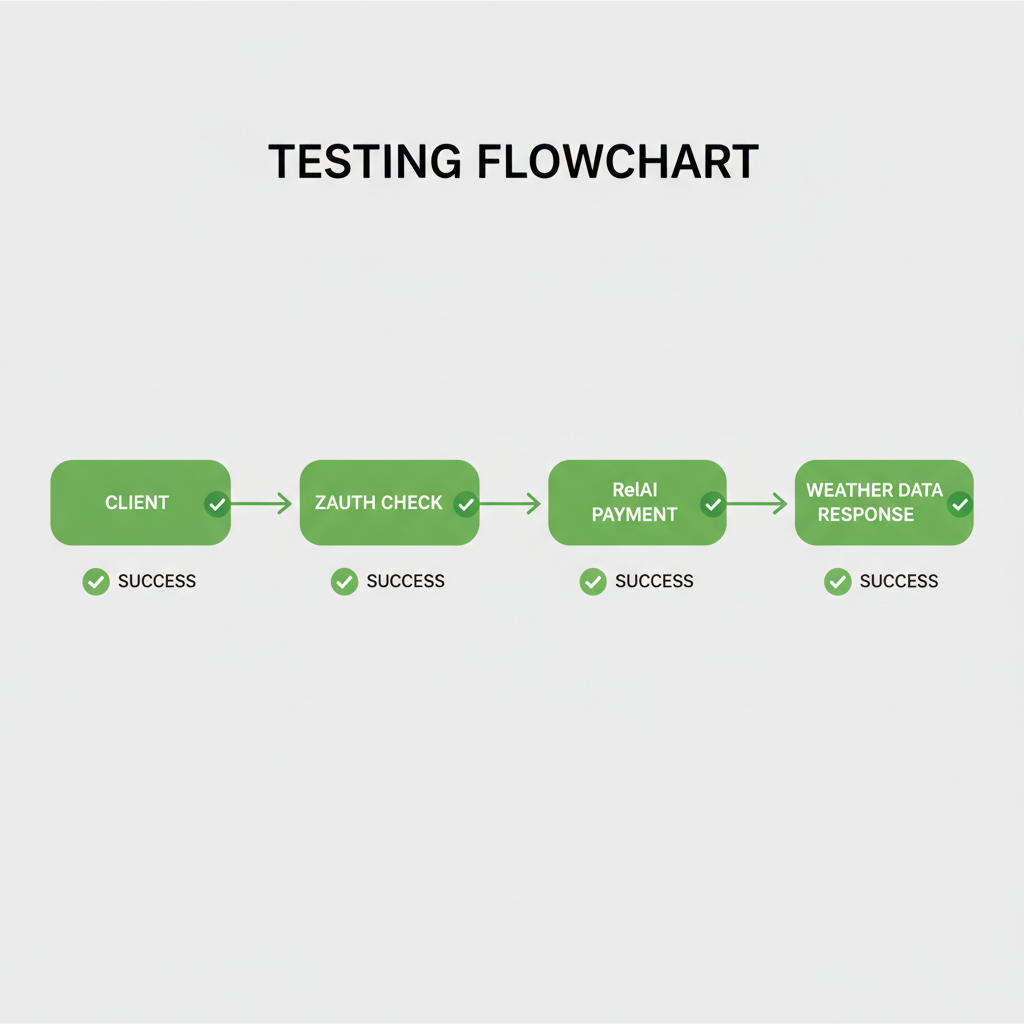
Consider the workflow: an agent targets an AI API endpoint verification 402 protected service. Zauth probes first, confirming functionality. Only greenlit calls proceed to RelAI's settlement. This proactive stance minimizes risks in agentic workflows, where autonomy amplifies vulnerabilities. Providers benefit too, as verified status boosts marketplace visibility and adoption rates.
| Feature | Benefit |
|---|---|
| Gas Sponsorship | Zero user fees on SKALE Base, Avalanche, etc. |
| Zauth Pre-Validation | Blocks untrusted endpoints |
| v2 Compliance | Standardized for broad interoperability |
From a developer's lens, implementation is straightforward. SDKs from RelAI simplify endpoint conversion, embedding Zauth checks without custom code. Tutorials showcase weather APIs and MCP servers paying autonomously, proving real-world grit.
Scaling Trusted Micropayments in AI Ecosystems
Trusted micropayments ai via RelAI and Zauth aren't hype-they're operational reality. Agents bypass human hurdles, directly compensating providers in stablecoins. This fuels an explosion of specialized APIs: from inference engines to data oracles. RelAI's facilitator processes settlements off-chain where possible, slashing latency for high-throughput scenarios.
Providers leveraging this setup see call volumes surge, as AI agents prioritize endpoints that blend speed, security, and certainty. Zauth's validation isn't punitive; it's selective, curating a marketplace where only robust services thrive. This dynamic weeds out underperformers, elevating overall ecosystem quality.
Developer Roadmap: Hands-On Integration
Transitioning an existing API to RelAI's ecosystem demands minimal overhaul. Start by registering on the marketplace, then embed the facilitator SDK. This handles 402 challenges, payload formatting, and settlement routing across chains. Zauth hooks in automatically, running validations in the background. For a basic weather API, the flow might look like this: agent requests data, Zauth pings HEAD, RelAI intercepts 402, processes micro-stablecoin payment, and delivers response.
JavaScript: RelAI SDK with Zauth Pre-Validation for x402 AI Endpoints
In this JavaScript example, we demonstrate how to initialize the RelAI SDK with Zauth configuration for pre-validating zero-knowledge proofs. This step ensures authentication integrity before activating the x402 payment protocol, enabling secure and trusted AI API endpoints with minimal overhead.
// Initialize RelAI SDK with Zauth for pre-validation
const { RelAI } = require('relai-sdk');

// Configure Zauth for zero-knowledge proof pre-validation
const relai = new RelAI({
  zauth: {
    publicKey: 'your-zauth-public-key',
    verifyEndpoint: 'https://zauth.relai.dev/verify',
    proofTimeout: 5000  // ms
  },
  x402: {
    merchantId: 'your-merchant-id',
    currency: 'USD',
    rate: 0.01  // per token
  }
});

// Enable x402 endpoint for trusted AI API calls
await relai.enableX402Endpoint({
  aiProvider: 'openai',
  model: 'gpt-4',
  endpoint: '/v1/chat/completions',
  maxTokens: 4096
});

// Example: Make a validated AI request
const result = await relai.invokeAI({
  prompt: 'Explain quantum computing simply.',
  zauthProof: 'your-zauth-proof-jwt'  // Pre-validated ZK proof
});

console.log('AI Response:', result.choices[0].message.content);
This configuration analytically balances security and performance: Zauth pre-validation offloads proof checks to a dedicated verifier, while x402 handles micropayments seamlessly. Deploy this in production by replacing placeholders with your actual credentials, and monitor logs for validation success rates.
That snippet captures the essence-no bloated dependencies, just plug-and-play for Node. js or edge runtimes. Testnets on SKALE Base let you iterate fee-free, confirming Zauth blocks dodgy mocks before going live. I've seen indie devs spin up monetized endpoints in under an hour, charging per forecast or inference run. Scale to thousands of calls, and RelAI's off-chain optimizations keep costs predictable.
Build Trusted x402 Weather API with RelAI Facilitator & Zauth
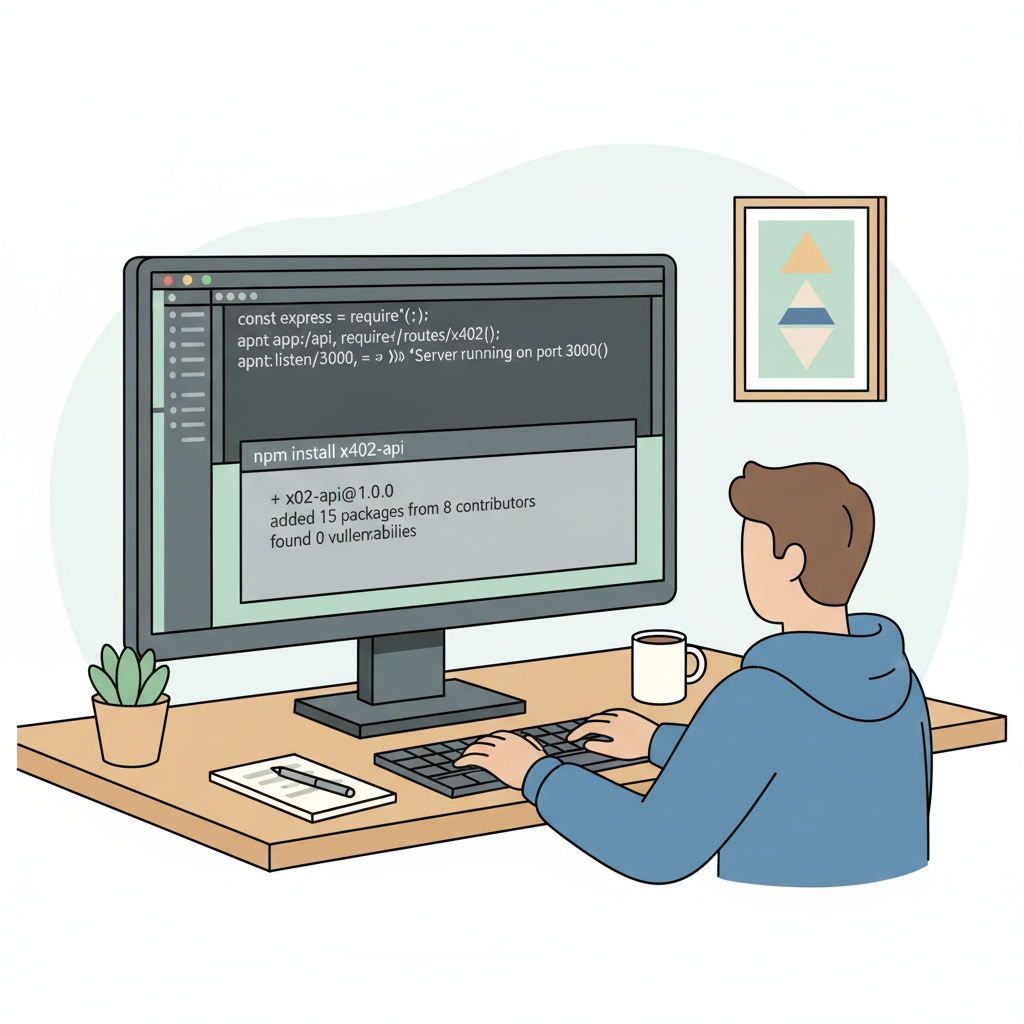
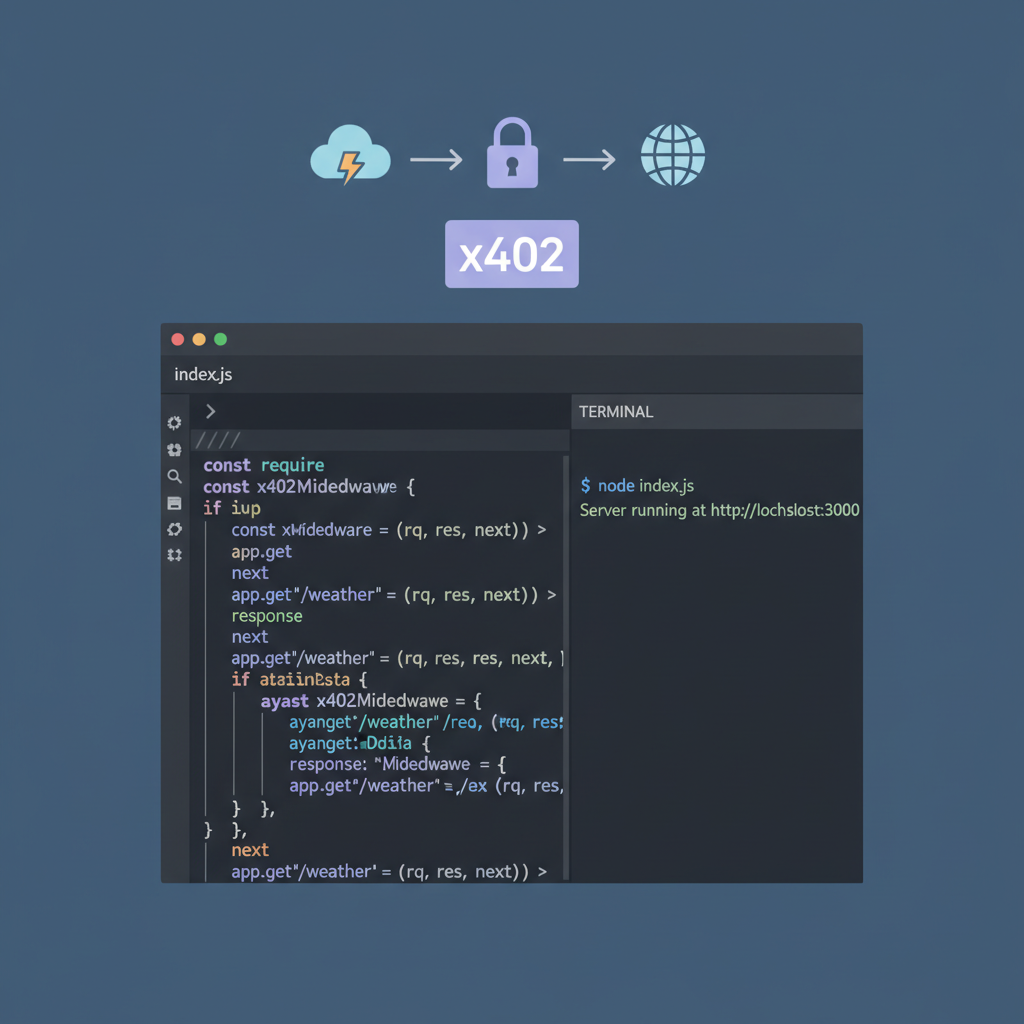
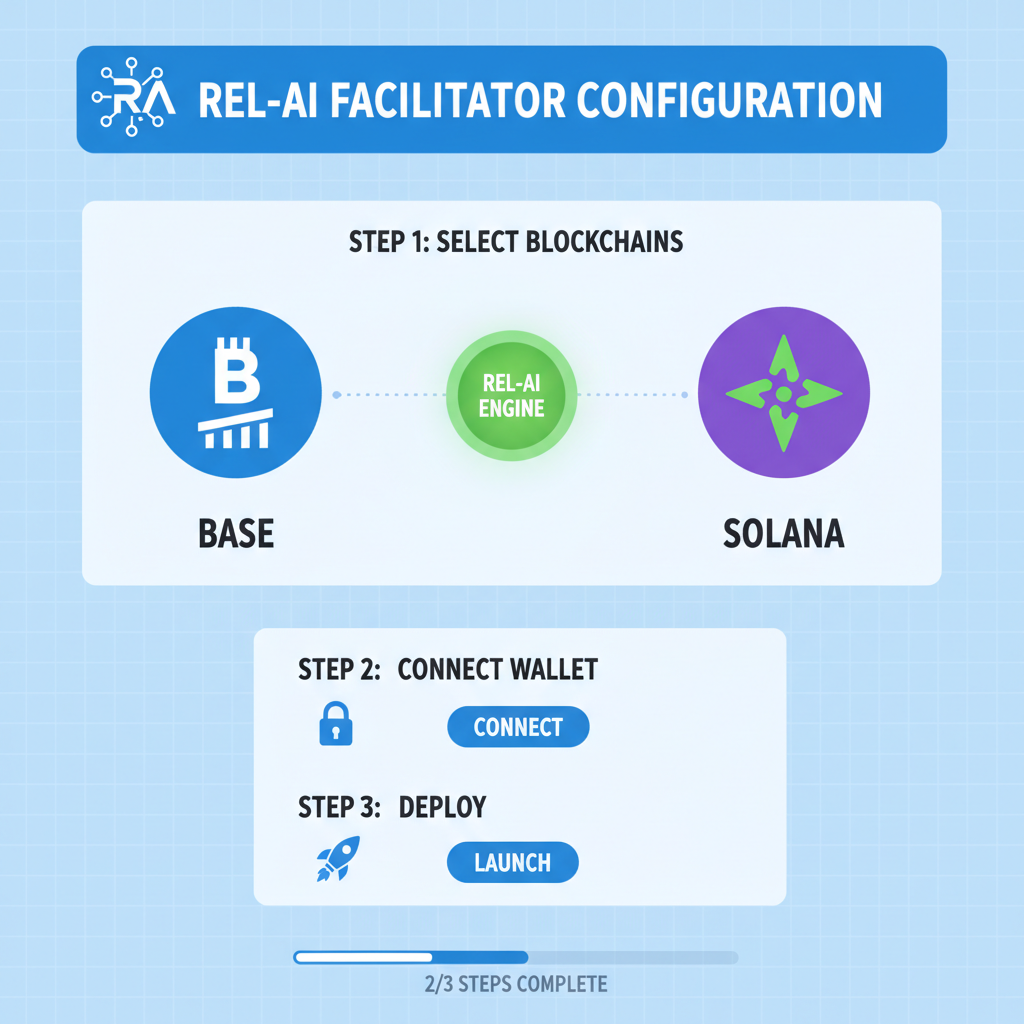

Such accessibility democratizes revenue. Forget chasing VC for server bills; x402 flips the script, where usage funds growth directly. Questflow and Zuplo integrations extend this to MCP servers, letting AI pipelines pay autonomously for compute slices. In agent swarms, this composability unlocks novel apps, like federated learning markets or real-time oracle syndicates.
Market Momentum: From Hype to High-Volume Reality
Relai. fi's marketplace buzzes with early wins. Thirdweb demos show agents dropping cents on API hits sans accounts, while Dynamic wallets streamline the client side. Blockchain_goat's SDK push verifies every call upfront, scaling trust at warp speed. Even Solana's low-latency shines here, with REL token mechanics rebuying supply on volumes-a clever incentive loop.
- Multi-chain agility: Pivot from Avalanche congestion to Base liquidity seamlessly.
- Gasless UX: Users focus on data, not chain fees.
- Verification edge: Zauth's HEAD/GET probes catch 99% of flakes pre-payment.
Critics might nitpick centralization risks in facilitation, but RelAI's open spec and v2 adherence invite competitors. Open-source Zauth clients further decentralize trust checks. My take? This stack matures AI economies faster than any consortium could mandate. Agents evolve from scripted bots to value-exchanging entities, birthing markets we barely imagine.
Zoom out, and trusted micropayments ai via RelAI-Zauth heralds a pay-per-atom web. Inference costs plummet with granular billing, spurring innovation in niche tools. Data providers, model hosts, even synthetic media generators-all viable under x402. As adoption snowballs, expect relai. fi to anchor the space, with Zauth as the de facto trust standard. Developers, build now; the agents are coming, wallets open.




No comments yet. Be the first to share your thoughts!