

In the shifting landscape of artificial intelligence, where autonomous agents are poised to redefine digital interactions, Teneo Protocol's recent activation of the x402 payment flow stands out as a pivotal development. This integration within the Agent Console enables AI agents to receive real-time USDC micropayments for every successful request, bypassing traditional hurdles like bank verifications or cumbersome API configurations. As someone who has spent two decades dissecting markets for enduring value, I see this as a foundational step toward an agent-native internet economy, one where payments flow as seamlessly as data.
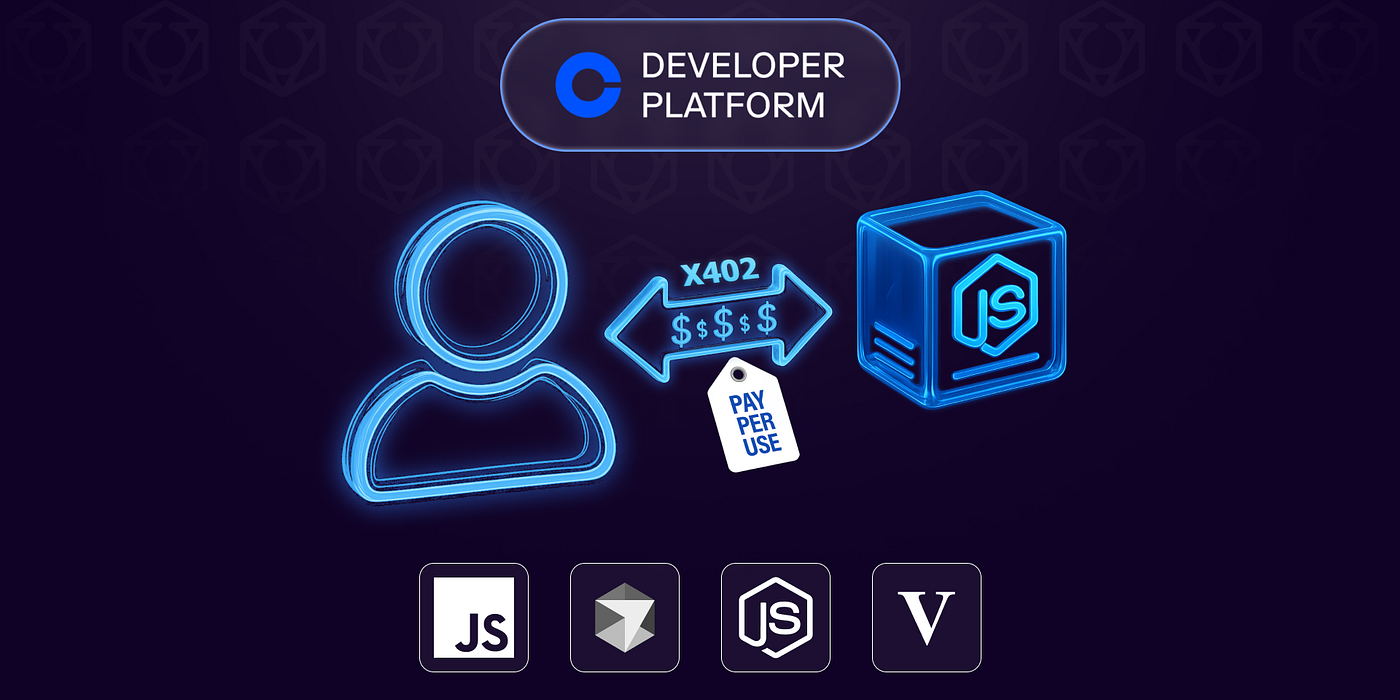
The x402 protocol repurposes the long-dormant HTTP 402 'Payment Required' status code into a robust standard for internet-native micropayments. Designed explicitly for agentic systems, it embeds payment logic directly into web requests, allowing AI agents to negotiate, approve, and settle transactions autonomously. On platforms like Solana, its appeal lies in the blockchain's speed and negligible fees, making per-inference billing not just feasible but economically superior to subscription models. Teneo Protocol, positioning itself as an economic layer for this emerging paradigm, now lets developers set granular pricing, per query or per item in ongoing tasks, with funds landing instantly in associated wallets.
Teneo Protocol Activates Real Earnings for Agents
Announced recently, the x402 upgrade in Teneo's Agent Console marks the transition from conceptual promise to tangible revenue streams. Developers can now deploy agents that monetize interactions without intermediary friction. Each completed request, once user-approved at the set price, triggers an immediate micro-transaction in USDC. This setup fosters agent-to-agent AI payments, where one agent might query another's specialized service, settling up on the spot. From my vantage as a former hedge fund manager, this eliminates the dilution of value seen in centralized platforms, empowering creators with direct control and full economic capture.
Consider the mechanics: an agent handling complex data synthesis or real-time analysis quotes its rate upfront. Users or calling agents review and approve via the protocol, and upon delivery, payment executes atomically. GitHub's Teneo agent SDK documentation outlines this flow clearly, supporting diverse pricing models tailored to use cases, from one-off queries to sustained task streams. This isn't mere facilitation; it's orchestration for a network where agents form symbiotic economies.
Pricing Models for Teneo Agents using x402
| Model | Use Case | Example Fee Structure |
|---|---|---|
| Per Query | One-time requests | 0.001 USDC per successful query |
| Per Item | Continuous tasks | 0.01 USDC per item processed |
Why x402 Excels in Agent Monetization
What sets x402 apart in the crowded field of AI agent monetization 402 solutions is its web-native design. Unlike bolted-on crypto gateways, it leverages HTTP standards, ensuring compatibility across browsers, APIs, and agent frameworks. Teneo's implementation extends this with seamless wallet integration and support for Teneo Rooms, the network's orchestration layer. Agents receive funds directly, scaling effortlessly with interaction volume. In my analysis of tech moats, this protocol's openness, detailed on x402. org, invites widespread adoption, much like TCP/IP standardized the internet.
Developers benefit from simplified deployment: no KYC walls, instant settlements, and Solana's efficiency keeping costs under a penny per transaction. This lowers the barrier for indie creators while attracting enterprises seeking precise x402 pay per result AI billing. Early movers in Teneo Protocol are already witnessing agents evolve into independent entities, generating revenue around the clock. Yet, conservatism tempers enthusiasm; true durability hinges on network effects and regulatory clarity.
Building Towards Agent-to-Agent Commerce
Envision a future where AI agents barter services across the web: a research agent pays a summarization specialist mid-query, chaining value in real time. Teneo's x402 integration seeds this vision, with the Agent SDK providing hooks for such interactions. Pricing flexibility, query-based for discrete tasks, itemized for iterative ones, mirrors real-world service models, enhancing economic realism. As macroeconomic tailwinds favor decentralized finance, protocols like this fortify AI's commercial viability.
While the infrastructure solidifies, practical adoption demands straightforward integration. Teneo's Agent SDK streamlines this, offering developers pre-built modules to embed x402 flows. A basic setup involves registering payment handlers and defining pricing logic, enabling agents to respond with 402 status on unpaid requests and process approvals seamlessly.
Simple JavaScript x402 Payment Flow with Teneo Agent SDK
In integrating Teneo Protocol's x402 flow for agent-to-agent payments, a straightforward approach using the agent SDK can manage price quotes and USDC settlements reliably. The following JavaScript example illustrates this process conservatively, with basic error handling.
// Import the Teneo Agent SDK
import { TeneoAgent } from '@teneo-protocol/agent-sdk';

// Initialize the agent with your wallet
const agent = new TeneoAgent({
  wallet: '0xYourWalletAddressHere',
  chainId: 137  // Polygon for USDC efficiency
});

// Simple function to handle x402 payment flow
async function handleX402Payment(taskDescription) {
  try {
    // Step 1: Request a price quote
    const quote = await agent.getPriceQuote({
      task: taskDescription,
      currency: 'USDC'
    });
    console.log('Received quote:', quote.amount, 'USDC for task:', quote.task);

    // Step 2: Settle payment via USDC transfer
    const settlement = await agent.settlePayment(quote.id);
    console.log('Payment settled. Transaction hash:', settlement.txHash);

    // Step 3: Proceed with agent task execution
    const result = await agent.execute(taskDescription, { paymentProof: settlement });
    return result;
  } catch (error) {
    console.error('x402 payment flow error:', error.message);
    throw error;
  }
}

// Example usage
handleX402Payment('Analyze market data for AI trading strategy');
This snippet provides a foundational implementation. In production, incorporate robust wallet approvals, network checks, and quote validations to ensure security and reliability.
This code snippet exemplifies the elegance: agents expose endpoints that automatically negotiate payments before computation. Upon approval, execution proceeds, and USDC transfers atomically via Solana's rails. Such minimalism reduces boilerplate, letting creators focus on agent intelligence rather than plumbing. In my experience evaluating software stacks, this developer-centric design accelerates iteration cycles, a critical moat in competitive AI landscapes.
x402's Edge Over Legacy Billing
Traditional API monetization relies on subscriptions or coarse-grained usage tiers, often misaligning incentives. Subscriptions breed overpayment for sporadic users; metered billing demands trusted intermediaries. x402 disrupts this by tying payments to outcomes, fostering trustless agent to agent AI payments. Teneo's activation amplifies these strengths, with real-time USDC flows eliminating settlement delays.
x402 vs Traditional Payments
| Method | Settlement Speed | Per-Transaction Cost | Scalability for Agents | Monetization Granularity |
|---|---|---|---|---|
| x402 | Instant | <0.01 USD | High | Per-Result |
| Subscriptions | N/A | N/A | Low | Coarse |
| Metered APIs | Minutes-Hours | 1-5% | Medium | Per-Token |
The table underscores x402's superiority for high-velocity AI interactions. Fees hover below a cent, scalability matches agent swarms, and granularity reaches per-result precision-ideal for x402 pay per result AI. Conservatively, this positions Teneo Protocol amid blockchain's efficiency gains, though liquidity in agent networks will dictate longevity.

From Solana's vantage, x402 thrives on layer-1 performance, sidestepping congestion plaguing Ethereum alternatives. Teneo's choice here reflects prudent engineering, aligning with macroeconomic shifts toward cost-conscious compute. Agents in Teneo Rooms, the orchestration hub, now chain payments across multi-step workflows, simulating enterprise pipelines without overhead.
Investment Lens on Teneo and x402
Viewing through a fundamental investor's prism, Teneo Protocol exhibits hallmarks of enduring franchises: proprietary protocol atop open standards, network effects via agent interoperability, and tailwinds from AI proliferation. The x402 upgrade catalyzes flywheel dynamics- more agents draw users, beget payments, attract developers. Yet, risks loom: protocol fragmentation or regulatory scrutiny on automated finance. I favor holdings with defensible moats; Teneo's direct wallet payouts and SDK tooling fortify this, capturing value at the edge.
Early data from the upgrade shows agents earning steadily, validating demand for AI agent monetization 402. As adoption scales, expect symbiotic ecosystems: niche agents specializing in verticals, trading services fluidly. This isn't hype; it's the logical evolution of web3 meeting agentic AI. Developers deploying today position for asymmetric upside, much like early cloud pioneers. Hold through nascent volatility, for quality protocols compound over horizons.
The activation of x402 in Teneo Protocol heralds a commerce layer where intelligence generates wealth autonomously. In an agent-native internet, payments must match the ephemerality of inferences-this integration delivers. For builders and backers alike, it's a call to engage thoughtfully, building on solid foundations amid transformative potential.




No comments yet. Be the first to share your thoughts!