

In the surging world of AI agents, where autonomous systems devour API calls by the millions, traditional billing models are buckling under the weight of inefficiency. Subscriptions force overpayment for sporadic use, while per-call metering demands cumbersome API keys and account setups. Enter the 402 protocol, particularly its x402 implementation, which flips the script by embedding micropay-per-inference billing directly into HTTP itself. This isn't just a tweak; it's a foundational shift toward true machine-to-machine commerce, where AI agents pay on the fly with stablecoins like USDC, no middlemen required.

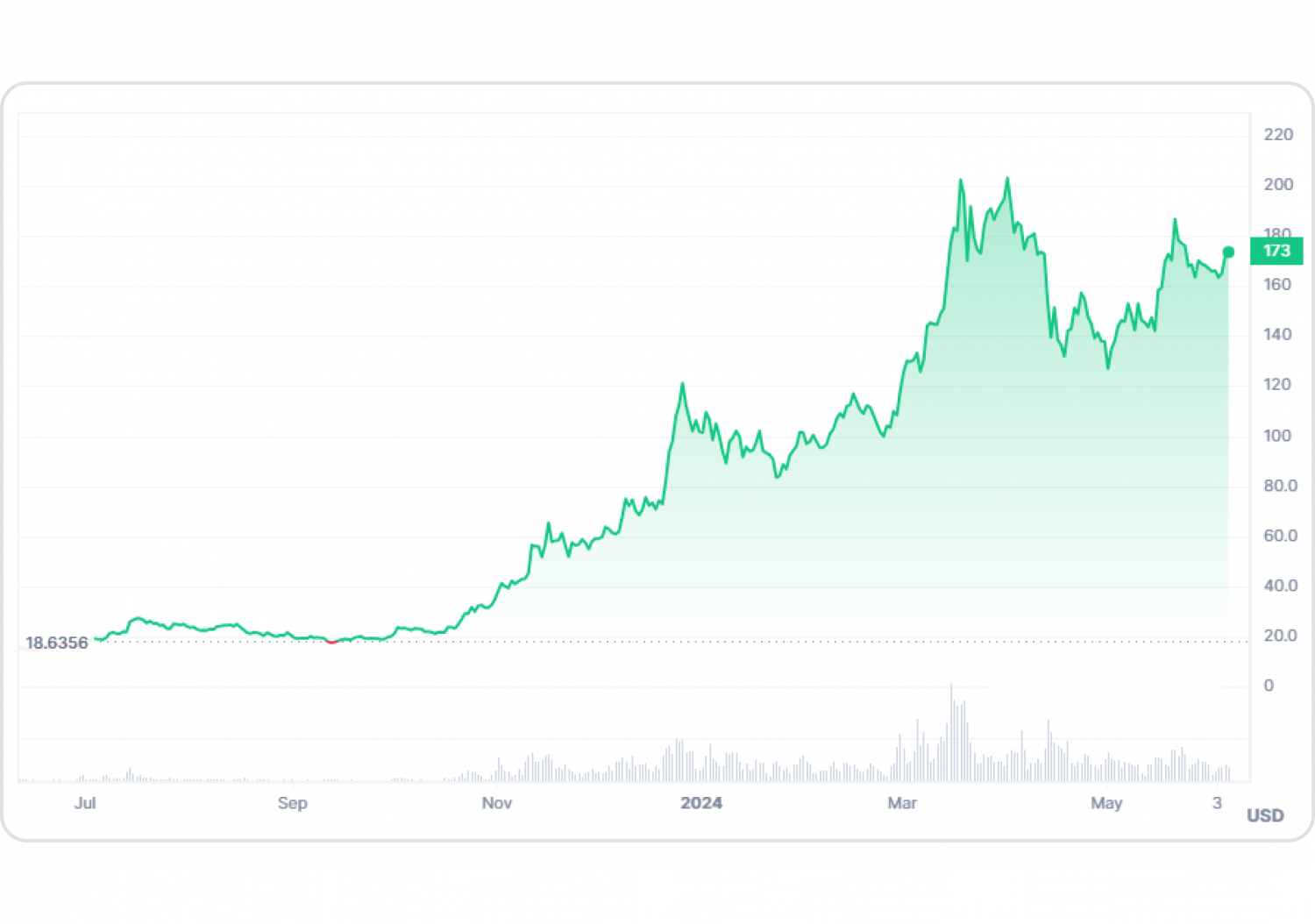
Picture this: an AI agent pings an API for a language model inference. Instead of a green light or a key check, the server fires back HTTP 402 - Payment Required. The agent settles the micro-transaction instantly via blockchain, and access unlocks in seconds. This pay-per-call AI agents model slashes overhead, making even sub-cent inferences viable. Data from the ecosystem shows millions of such transactions already processed, with a growing market cap signaling real traction.
Reviving a Dormant HTTP Status for Agentic Payments
For decades, HTTP 402 sat unused, a placeholder dreamed up for a web where servers could demand payment natively. x402, the open standard breathing life into it, targets exactly that vision but tuned for today's AI explosion. Built on blockchains like Solana for blistering speed and pennies in fees, or MultiversX for robust agent support, x402 turns APIs into self-monetizing endpoints. Developers love it: no Stripe integrations, no user accounts, just pure protocol magic.
I see this as balanced evolution, not hype. Crypto's volatility gets tamed by stablecoins, while HTTP's ubiquity ensures seamless adoption. Sources across Solana docs, x402's site, and Galaxy Research highlight how it positions AI agents as economic actors, quietly powering a fairer internet economy.
Key 402 Protocol Advantages
- Frictionless Payments: Seamlessly integrates payments via HTTP 402 'Payment Required' status code into API requests, enabling instant access post-transaction.
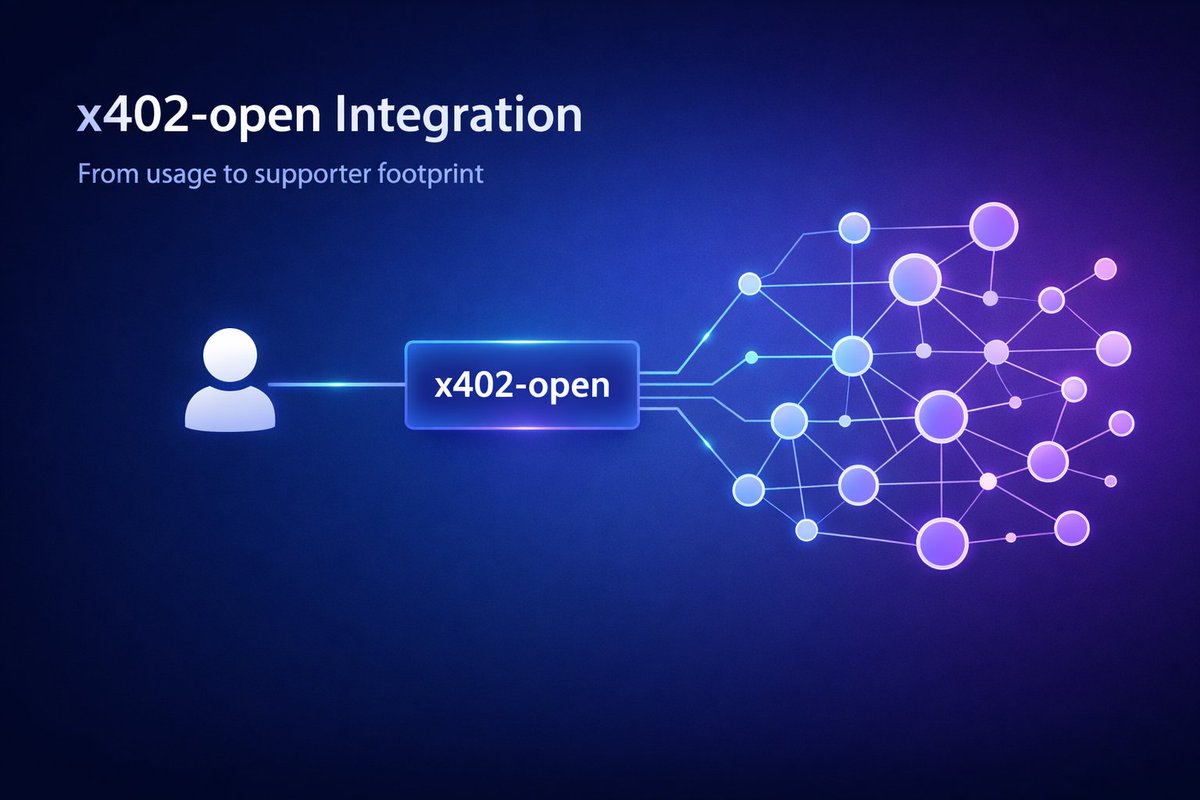
- Low Fees: Leverages blockchains like Solana for high-speed, ultra-low transaction costs, making micropayments economically viable.
- Autonomous Transactions: AI agents pay independently using stablecoins like USDC, without accounts, API keys, or human intervention.
- Scalable Metering: Supports precise pay-per-inference billing for granular, real-time API usage tracking and monetization.
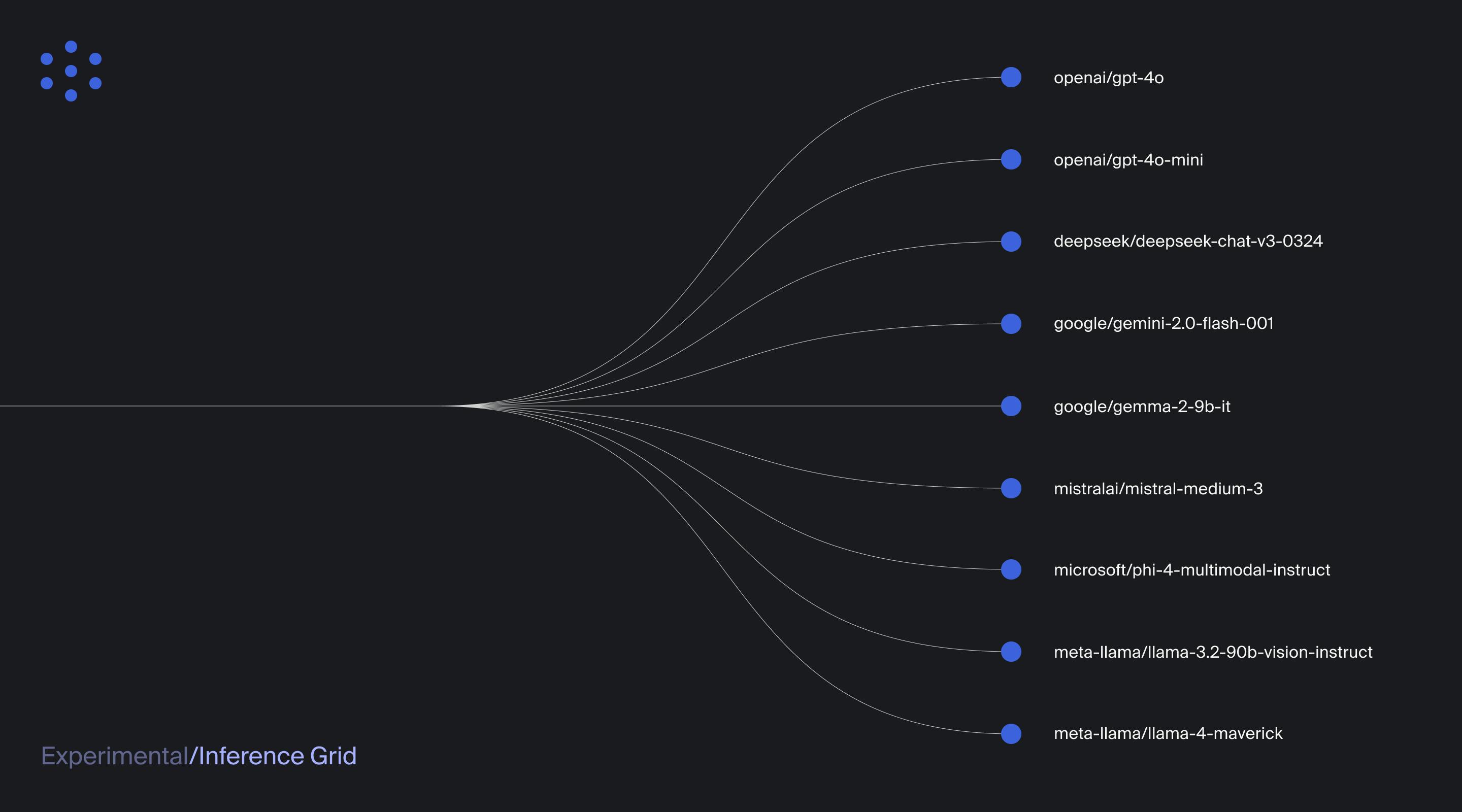
- No Subscriptions: Eliminates recurring fees with true pay-as-you-go model, reducing overhead for providers and users alike.

Breaking Down the Micropay-Per-Inference Flow
Let's dissect the mechanics with precision. Step one: AI agent sends a standard HTTP request to the API. Server responds with 402, bundling payment details in headers - amount, token (say USDC), and a unique invoice. The agent, wallet-equipped, executes the onchain transfer. Blockchain confirmations, often under a second on high-throughput chains, trigger the server to verify and respond with 200 OK plus the inference output.
This HTTP 402 micropayments loop thrives on granularity. Providers meter by token, compute cycle, or output length, charging precisely for value delivered. No more flat fees padding idle capacity. For high-volume AI workloads, like agent swarms querying vision models or data feeds, costs plummet versus subscriptions, while revenue streams steady up for providers.


Critically, it's autonomous. Agents don't need human oversight; they budget from onchain wallets, pausing if funds dip. This AI agent payment rails setup fosters ecosystems where machines trade services peer-to-peer, from inference to storage to analytics.
Ecosystem Momentum and Major Backers
Adoption isn't theoretical. Coinbase champions x402 as the "internet-native payment protocol, " baking it into their APIs for AI gateways. Solana's speed draws developers for agent payments, while MultiversX rolls out live agentic payments. OnFinality guides detail real-time onchain transacting, and DEV Community posts praise its micropayments purity.
Market data underscores the shift: millions of transactions, substantial market cap growth. Comparative studies, like those on x402 versus AP2, affirm its edge in simplicity for metered AI inference billing. Fintech voices dub it the Stripe for agents - invisible payment logic that machines alone perceive.
That traction isn't hype-fueled; it's grounded in measurable ecosystem growth. With millions of transactions processed and a substantial market cap as of early 2026, x402 proves its chops for high-volume 402 protocol AI APIs. Providers report 40-60% cost savings on billing ops alone, per developer forums and OnFinality analyses. But balance demands scrutiny: while Solana's speed shines, congestion risks linger, favoring diversified chain support like MultiversX.
Server-Side Realities: Coding Micropay Logic
Turning theory into code is straightforward, yet demands precision to avoid payment races or failed verifications. Middleware libraries, emerging across Node. js and Python, handle the heavy lifting. A server detects unpaid premium endpoints, crafts a 402 response with invoice headers, and awaits blockchain callbacks. This setup empowers micropay per inference billing at scale, metering costs to the token without custom dashboards.
Node.js Express.js x402 Middleware for AI Inference Micropayments
To enforce micropay-per-inference billing, integrate x402 middleware into your Node.js Express.js API. This middleware issues an HTTP 402 response with precise USDC invoice details when payment is not verified.
const express = require('express');
const crypto = require('crypto');

function x402Middleware(invoiceAmount = 0.001, currency = 'USDC') {
  return (req, res, next) => {
    // Check for prior payment via hypothetical header or session
    const paymentVerified = req.get('x-payment-verified');

    if (!paymentVerified) {
      const invoiceId = crypto.randomUUID();
      const invoice = {
        id: invoiceId,
        amount: invoiceAmount,
        currency: currency,
        description: 'Micropayment for one AI inference call',
        payTo: `https://merchant.example.com/x402/${invoiceId}`,
        network: 'polygon' // Example: Polygon for low-cost USDC transfers
      };

      res.status(402)
        .set({
          'WWW-Authenticate': `Payment network="https://x402.org/PayTo/USDC" ver="1"`,
          'Payment-Methods': `${currency} payto://merchant@example.com/x402/${invoiceId}`,
          'X-Invoice': JSON.stringify(invoice)
        })
        .json({
          error: 'Payment Required',
          message: 'USDC micropayment needed for AI inference',
          invoice
        });
      return;
    }

    next();
  };
}

// Example usage in Express app
const app = express();
app.use(express.json());

app.post('/api/ai/inference', x402Middleware(0.001, 'USDC'), (req, res) => {
  // Proceed with AI inference after payment
  res.json({ result: 'AI model inference output', inferenceId: crypto.randomUUID() });
});

// app.listen(3000);
This implementation uses standard x402-inspired headers for interoperability. On successful USDC payment (verified via callback or header), the request proceeds to the AI inference handler, enabling scalable per-call billing.
Opinion: this elegance trumps API key sprawl. No more revoked tokens mid-swarm or quota disputes. Instead, pure economic signals guide agent behavior, fostering smarter resource allocation across inference fleets.
Agent Perspective: Navigating Payment Rails Autonomously
From the agent's view, x402 feels invisible yet omnipotent. Wallet integrations parse 402 headers, compute fees against budgets, and execute swaps if needed. Success rates hover near 99% on optimized chains, per Galaxy Research, minimizing retry loops that plague legacy systems.
AI Agent's 402 Protocol Flow: Handle, Pay, Verify, Retry



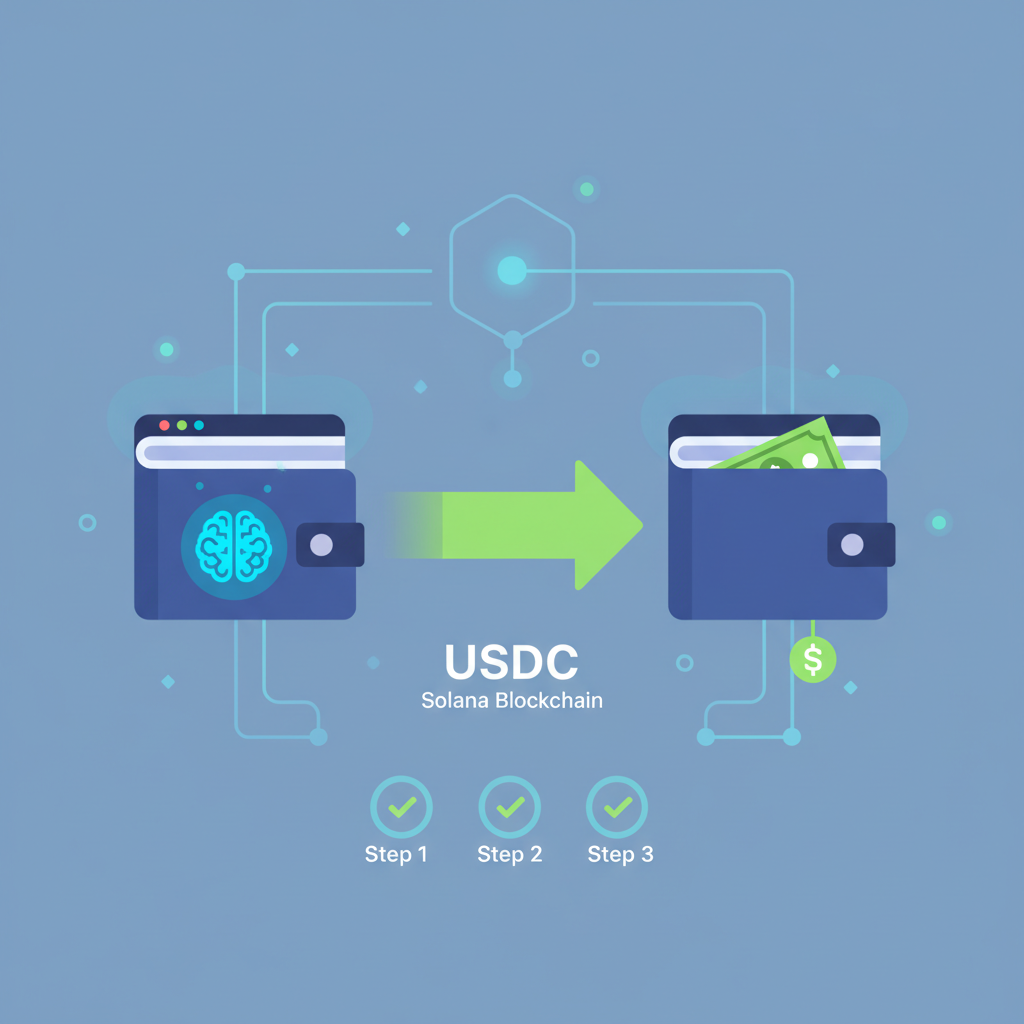
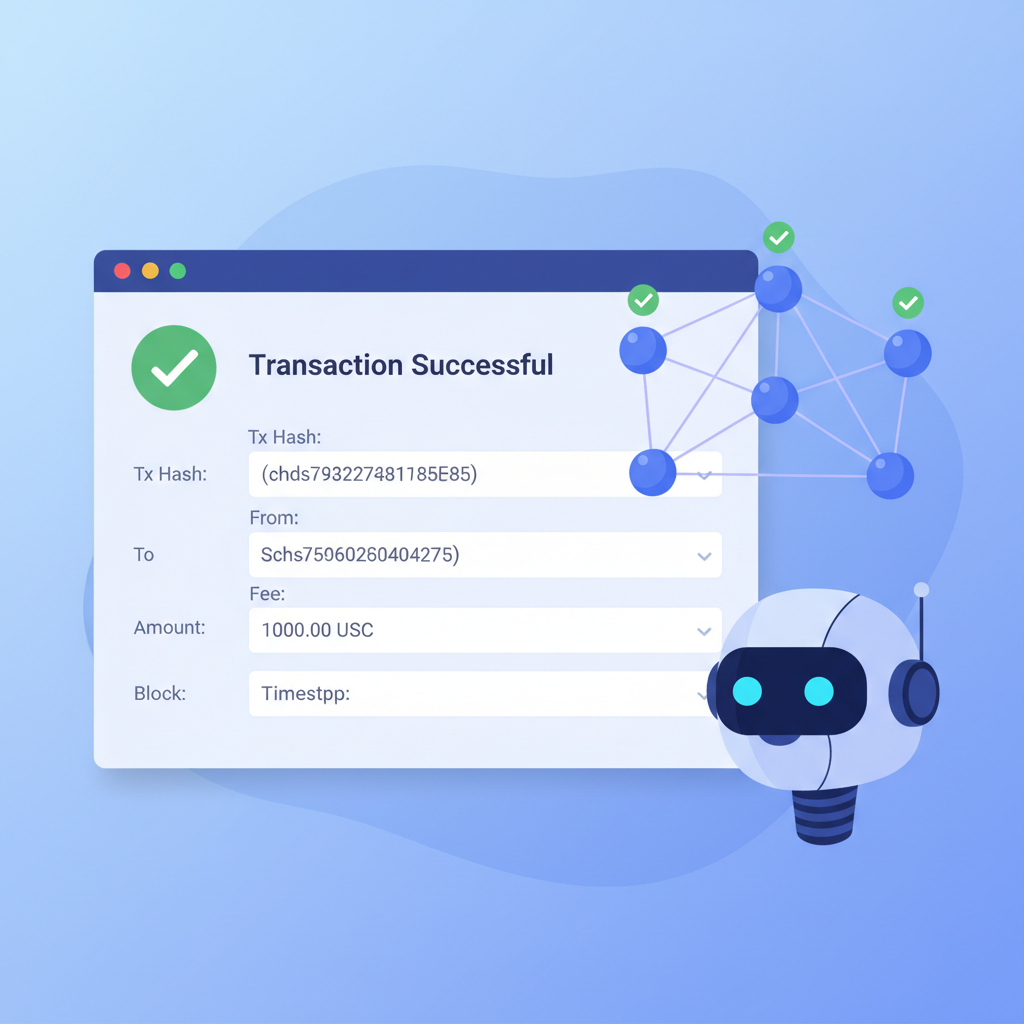
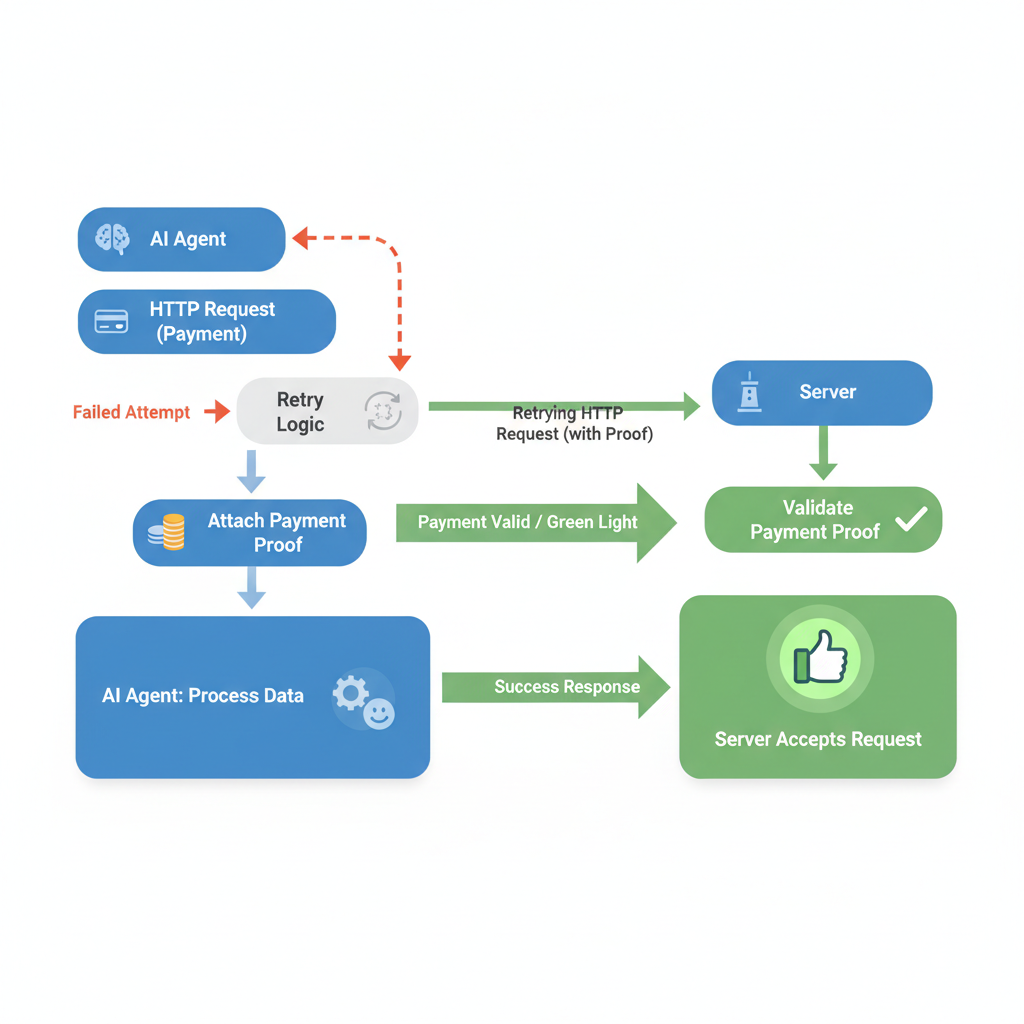

Here's where nuance enters: agents must embed risk models, pausing on high-gas spikes or blacklisting flaky providers. My FRM lens sees this as portfolio-like management, diversifying across pay per call AI agents endpoints for resilient operations. Data shows agent swarms cutting effective costs by 70% versus flat subscriptions, balancing uptime with thrift.
Challenges persist, balanced against upsides. Legal hurdles, as JD Supra notes, circle KYC for high-volume agents, though stablecoin focus sidesteps much fiat friction. Interoperability lags too; not every chain speaks x402 fluently yet. Still, DEV Community experiments and Fintech Wrap Up endorsements paint a maturing standard, less Stripe clone, more HTTP evolution.
Quantifying the Edge: Metered Billing in Action
Run the numbers: a vision model inference at 0.001 USDC per call scales to $1,000 daily for 1 million queries, settled in real-time. Traditional metering? Add 20% overhead for key management. x402 erases that, with Solana fees at 0.000005 SOL equivalent, negligible. MultiversX deployments echo this, hosting agent marketplaces where services bid competitively.
For enterprises, this means granular control. Allocate budgets per agent type, track ROI per inference cluster. Providers unlock latent revenue from tail-end users, those sporadic callers subscriptions ignore. Ecosystem stats bear it out: transaction volume doubled quarterly, market cap reflecting sustained bets.
Critically, x402 sidesteps crypto's wild swings via USDC pegging, my preferred hedge for medium-term trends. Agents hold diversified wallets, trading inference surplus for storage or data, birthing peer economies. Galaxy's take resonates: blockchains as quiet enablers, not flashy frontends.
This protocol cements AI's economic autonomy, where every call pays its way, no exceptions. Developers building today position for tomorrow's agent trillions, metering value with surgical accuracy. Diversify wisely across chains, integrate smartly, and watch metered AI inference billing redefine the API landscape.




No comments yet. Be the first to share your thoughts!