

In the rapidly expanding world of AI inference APIs, where every call to a model can mean real costs in compute and energy, the old billing models feel increasingly outdated. Subscriptions lock developers into fixed monthly fees, often starting at $10 to $100, regardless of actual usage. Pay-as-you-go schemes introduce minimums that force commitments on sporadic needs. Enter the 402 protocol, also known as x402, which revives a long-dormant HTTP status code to enable true micropay per inference and AI API pay per call billing. This isn't just a technical tweak; it's a fundamental shift toward granular, autonomous payments that align costs precisely with value delivered.
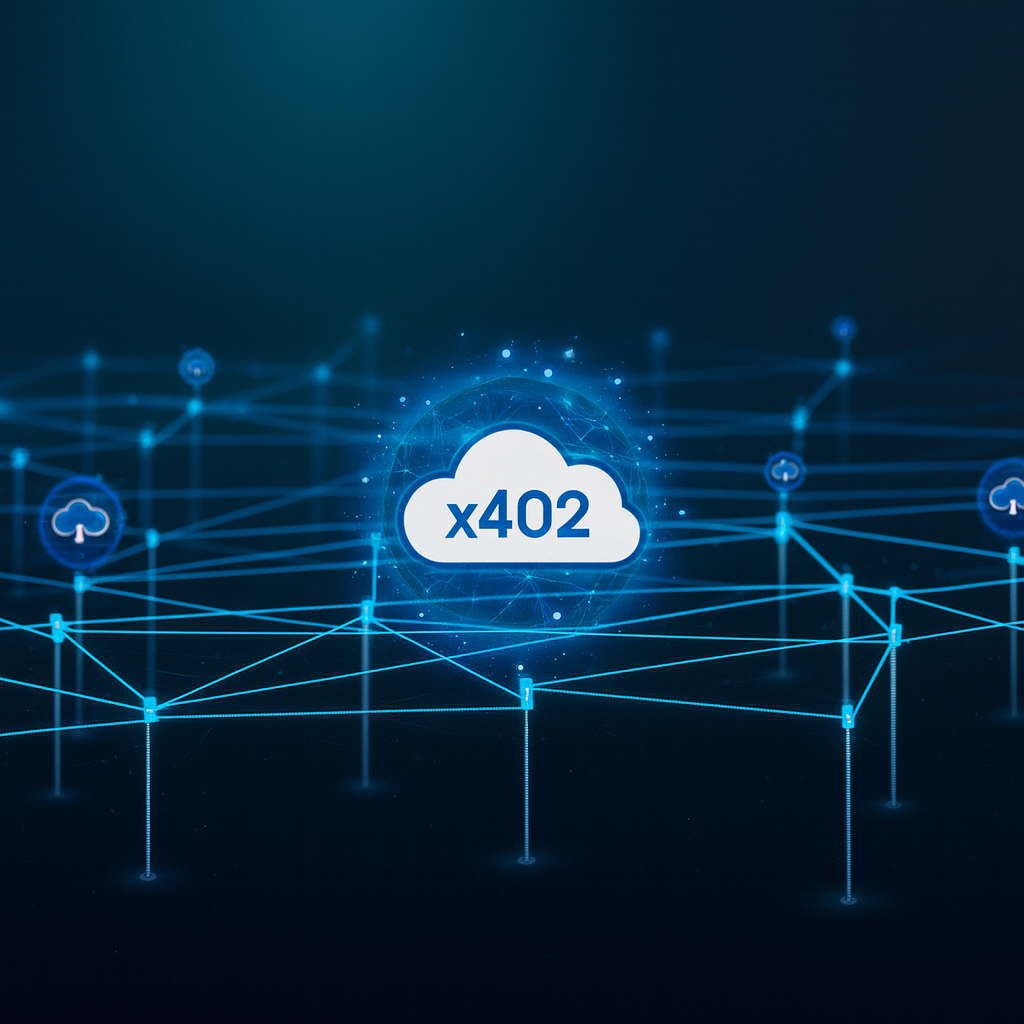
As a veteran investor who's seen countless fintech disruptions, I view the 402 protocol as a rare convergence of protocol innovation and macroeconomic necessity. With AI workloads exploding, providers need scalable revenue without the friction of accounts or keys. Buyers, especially AI agents operating autonomously, demand frictionless access. Platforms like AI402Pay. com are leading this charge, offering metered billing AI services optimized for high-volume inference at scales down to $0.00001 per call.
Breaking Free from Subscription Shackles
Traditional API economics favor incumbents with deep pockets. Monthly subscriptions create predictable revenue but stifle experimentation. A developer testing an AI vision model might pay $50 upfront, only to use it twice. Pay-as-you-go mitigates this somewhat, yet minimum charges persist, and reconciliation happens monthly, introducing delays and disputes. Sources from the API economy highlight how this forces commitment, deterring small teams and edge devices.
The 402 protocol flips this script. By embedding payment directly into the HTTP handshake via the 'Payment Required' status code, it allows servers to demand instant stablecoin settlement before processing a request. No API keys. No rate limits. No billing cycles. An AI agent simply includes a micropayment in its headers, and the inference runs seamlessly. This is 402 payments AI agents were built for: machine-native, on-chain, and verifiable.
402 Protocol Advantages
- Pay-per-call precision: Enables micropayments per API call or inference, as low as $0.00001 via platforms like 402pay.
- No subscriptions or minimums: Avoids monthly fees and $10–100 minimums of traditional API billing.
- Autonomous agent payments: AI agents pay instantly with USDC over HTTP using x402 or d402 protocols.

- Scalable for high-volume inference: Supports unlimited calls without rate limits, ideal for x402engine.
- Frictionless for developers: No API keys or accounts needed; integrates via MCPay or x402.

From an investment lens, this creates durable moats for early adopters. Coinbase's developer docs underscore x402's open standard, fostering network effects as more APIs integrate it. It's the Stripe for AI agents, as one fintech analysis aptly puts it, adding invisible payment logic under the web's hood.
Under the Hood: How 402 Enables Pay-Per-Inference
Reviving HTTP 402, originally reserved for future payment use, x402 turns every API endpoint into a potential paywall. When a client hits a protected resource, the server responds with 402, specifying payment details in headers: amount, token (like USDC), and settlement method. The client retries with payment authorization, often via wallet signatures. Settlement happens on-chain instantly, unlocking the response.
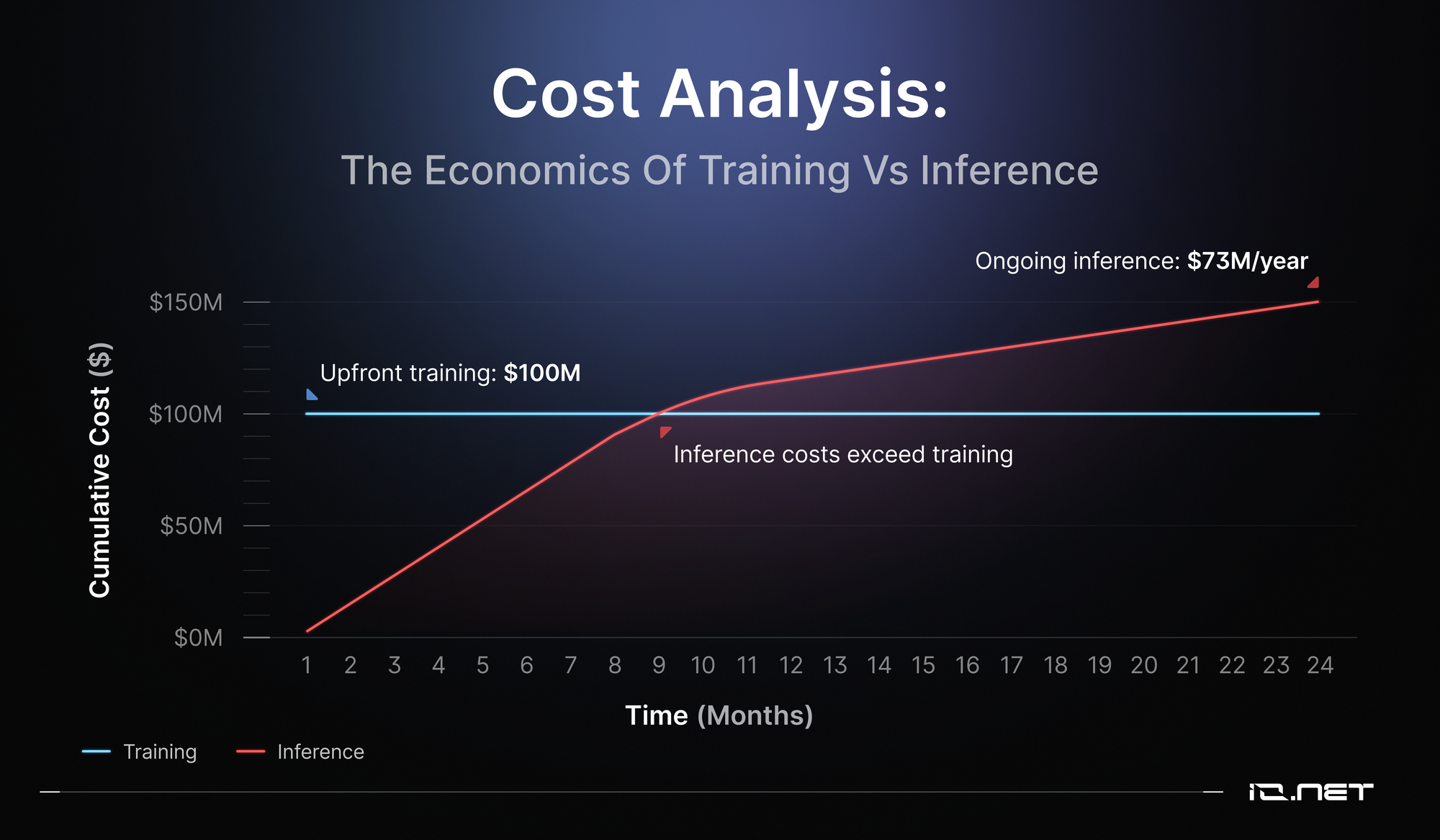
This works for any HTTP-capable device, from sensors paying for ML inferences to agents chaining API calls across providers. DappRadar notes its traction for per-API-hit, per-gigabyte, or pay per inference billing. No more overprovisioning compute; charge exactly for the tokens processed or FLOPs computed.

Critically, it's decentralized. No central processor skims fees; transactions settle peer-to-peer on blockchains. Dynamic Wallet's integration shows how easily developers add this to existing APIs, making 402 protocol AI APIs accessible today.
Pioneering Platforms Powering the Shift
While the protocol is open, execution matters. 402pay stands out with its fee-less micropayments, enabling AI agents to transact at sub-cent levels effortlessly. Their platform, at the forefront of AI402Pay micropayments, handles the plumbing so developers focus on models.
d402 takes it further, weaving 402 paywalls into agents and MCP calls without accounts. Imagine Model Context Protocol servers monetizing dynamically via on-chain payments. x402engine offers ready pay-per-call APIs, ditching keys for stablecoin sends. MCPay's open-source tools extend this to any MCP server, supercharging AI agent economies.
These aren't hypotheticals; they're live, signaling a broader pivot. As Wu Blockchain observes, digital services now favor usage-based models: per call, per inference, per compute millisecond. For investors, this ecosystem promises tailwinds from AI's insatiable demand, with low-friction rails ensuring liquidity flows to quality providers.
These platforms aren't operating in isolation; they're part of a symbiotic ecosystem accelerating 402 protocol AI APIs. Providers gain instant revenue streams without chasing invoices, while agents roam freely, paying only for value consumed. From my vantage as a hedge fund veteran, this setup echoes the network effects that propelled early payment rails like Visa, but tuned for AI's explosive scale.
Real-World Implementation: A Code Walkthrough
Getting hands-on reveals the elegance. Developers integrate x402 with minimal code changes, often just header tweaks. Here's a glimpse at how an AI agent might request an inference, bundling payment upfront.
Python Requests Example: x402 USDC Micropayment for AI Inference
In a production environment, integrating micropayments requires careful handling of blockchain transactions and error conditions. The following Python example uses the requests library to send an AI inference request accompanied by a USDC micropayment via x402 headers. It assumes a Solana-based USDC transfer for the payment mechanism.
import requests

# Example AI inference API endpoint supporting x402 micropayments
url = 'https://api.ai-inference.example.com/v1/completions'

# Prepare headers with x402 USDC micropayment
# Note: Replace with actual USDC payment details (e.g., base64-encoded Solana transfer instruction)
headers = {
    'Content-Type': 'application/json',
    'X-402-Payment': 'usdc:0.0001,solana:base64-encoded-transfer-instruction-here',
    'X-402-Token': 'your-api-key-or-session-token'
}

# Inference request payload
payload = {
    'model': 'gpt-like-model',
    'prompt': 'Briefly explain the x402 protocol.',
    'max_tokens': 100
}

try:
    response = requests.post(url, headers=headers, json=payload)

    if response.status_code == 200:
        print('Inference result:', response.json())
    elif response.status_code == 402:
        print('Payment required or insufficient. Check payment details.')
    else:
        print(f'API error {response.status_code}: {response.text}')

except requests.RequestException as e:
    print('Request failed:', e)
This example prioritizes error handling and uses placeholders for sensitive payment data. Consult the API documentation for the precise x402 header format and verify transactions on-chain before relying on inference responses. Approach such integrations conservatively to avoid financial losses.
This snippet captures the essence: a standard HTTP POST with payment authorization in headers. Servers validate on-chain before computing, ensuring trustless execution. No middleware bloat; it slots into existing stacks. For high-volume workloads, batching or relayers optimize gas, but the base protocol shines in simplicity.
Consider edge cases, like sensors in remote deployments. A device streams data for real-time analysis, paying $0.00001 per inference without connectivity for accounts. This unlocks IoT-AI fusion, where macroeconomic tailwinds from automation amplify returns for protocol builders.
Side-by-Side: Traditional Billing vs. 402 Micropayments
Traditional API Billing vs. 402 Protocol Micropayments
| Aspect | Traditional API Billing | 402 Protocol (x402) |
|---|---|---|
| Billing Model | Subscriptions or pay-as-you-go with $10–100/month minimums | Pay-per-call micropayments (no minimums, e.g., $0.00001 per call via 402pay, d402, x402engine, MCPay) |
| Minimum Charges | $10–100/month | None |
| API Keys | Required | Not required (keyless access) |
| Rate Limits | Enforced | Not required (pay-per-use) |
| Payment Method | Credit card, bank; manual setup | Autonomous stablecoin payments (e.g., USDC) over HTTP |
| Overhead | Billing commitments, accounts | Frictionless, instant, machine-native (no accounts or subscriptions) |
| Ideal For AI Inference | High-volume users only | AI agents, sporadic/low-volume calls (sensors, autonomous apps) |
The table underscores why incumbents risk disruption. Subscriptions breed inefficiency; 402 enforces precision, aligning incentives across the stack. Fintech observers liken it to Stripe's API revolution, but for machines: invisible, instant, ubiquitous.
Yet adoption hinges on liquidity and standards. Stablecoins like USDC provide the ballast, sidestepping volatility that plagues other cryptos. Platforms like 402pay eliminate fees, making sub-penny transactions viable. d402's keyless paywalls extend to agent swarms, while MCPay open-sources the path for Model Context Protocol dominance. x402engine's plug-and-play APIs lower barriers, inviting experimentation.
Challenges persist, conservative as I am. On-chain settlement demands reliable nodes, and regulatory scrutiny could temper growth. Still, HTTP's universality mitigates risks; any browser or curl command participates. Ledger's take rings true: a decentralized rail for autonomous web services.
402 Ecosystem Investment Considerations
- Early platform moats via integrations: Platforms like 402pay and x402engine gain defensibility through seamless HTTP 402 embeddings in AI APIs.

- Stablecoin liquidity partnerships: Ties to USDC providers, as in Coinbase's x402 docs, ensure reliable micropayment flows.
- AI workload tailwinds: Rising inference demands favor pay-per-call models via d402 and similar protocols.
- Network effects from agent adoption: Broader AI agent use of x402, including MCPay, amplifies platform value.
- Regulatory compliance edges: On-chain settlements provide audit trails in a cautious regulatory landscape.

For long-term positions, scout providers with proprietary models atop 402 rails. Their moats deepen as agents standardize on the protocol, creating flywheels of usage and refinement. BizThon's analysis flags the API economy's pain points; 402 resolves them surgically.
AI agents, once siloed by billing friction, now chain inferences across providers seamlessly. A trading bot queries market data, pays for sentiment analysis, then executes via another API, all metered, all instant. This granular economy fosters specialization: niche models thrive without scale mandates.
Looking ahead, expect consolidation among platforms, with winners boasting superior relayers or UX. As AI inference costs plummet yet volume surges, micropay per inference becomes table stakes. Providers holding quality compute will command premiums, their revenues scaling linearly with intelligence demand.
In a world of volatility, the 402 protocol offers stability through precision. It tempers AI's hype with economic reality, rewarding efficiency over extravagance. Developers, build on it. Investors, position accordingly. The web's payment layer is awakening, and AI inference leads the charge.




No comments yet. Be the first to share your thoughts!