

In the surging world of AI inference, where every API call can mean milliseconds of compute and dollars in value, traditional subscription models feel increasingly archaic. Developers and enterprises alike grapple with overpaying for unused capacity or wrestling with complex tiered plans. Enter x402 micropayments for AI inference APIs - a protocol that promises true pay-per-call billing without the drag of subscriptions. This shift isn't just technical; it's a fundamental reconfiguration of how we monetize machine intelligence.

Developed by the Coinbase Development Platform team, x402 revives the long-dormant HTTP 402 'Payment Required' status code. Imagine a server responding to an API request not with data, but with a precise payment demand embedded in the header. Clients - be they AI agents, IoT sensors, or autonomous services - settle the micropayment instantly via stablecoins over HTTP, then retry to access the resource. No logins, no OAuth dances, no middlemen. It's chain-agnostic, running atop Solana, Algorand, or others, making x402 micropayments AI viable at scale.
Resurrecting HTTP 402 for Machine-Native Commerce
This protocol fixes a foundational flaw in web services: payments were never baked into the core stack. x402 changes that by standardizing how servers signal payment needs and clients fulfill them. A typical flow unfolds in seconds: client hits endpoint, server replies 402 with payment details in the WWW-Authenticate header, client pays onchain, server verifies via a lightweight oracle or relayer, and content flows. For AI inference, this means billing exactly for the tokens processed or inferences run, aligning costs with value delivered.
From my vantage as a long-term investor, protocols like this build enduring moats. They sidestep the friction of legacy payment rails, enabling pay per inference billing that scales with AI's exponential demand. Coinbase's open-source push here echoes early internet standards - think TCP/IP - fostering network effects without proprietary lock-in.
x402's Key Advantages for AI APIs
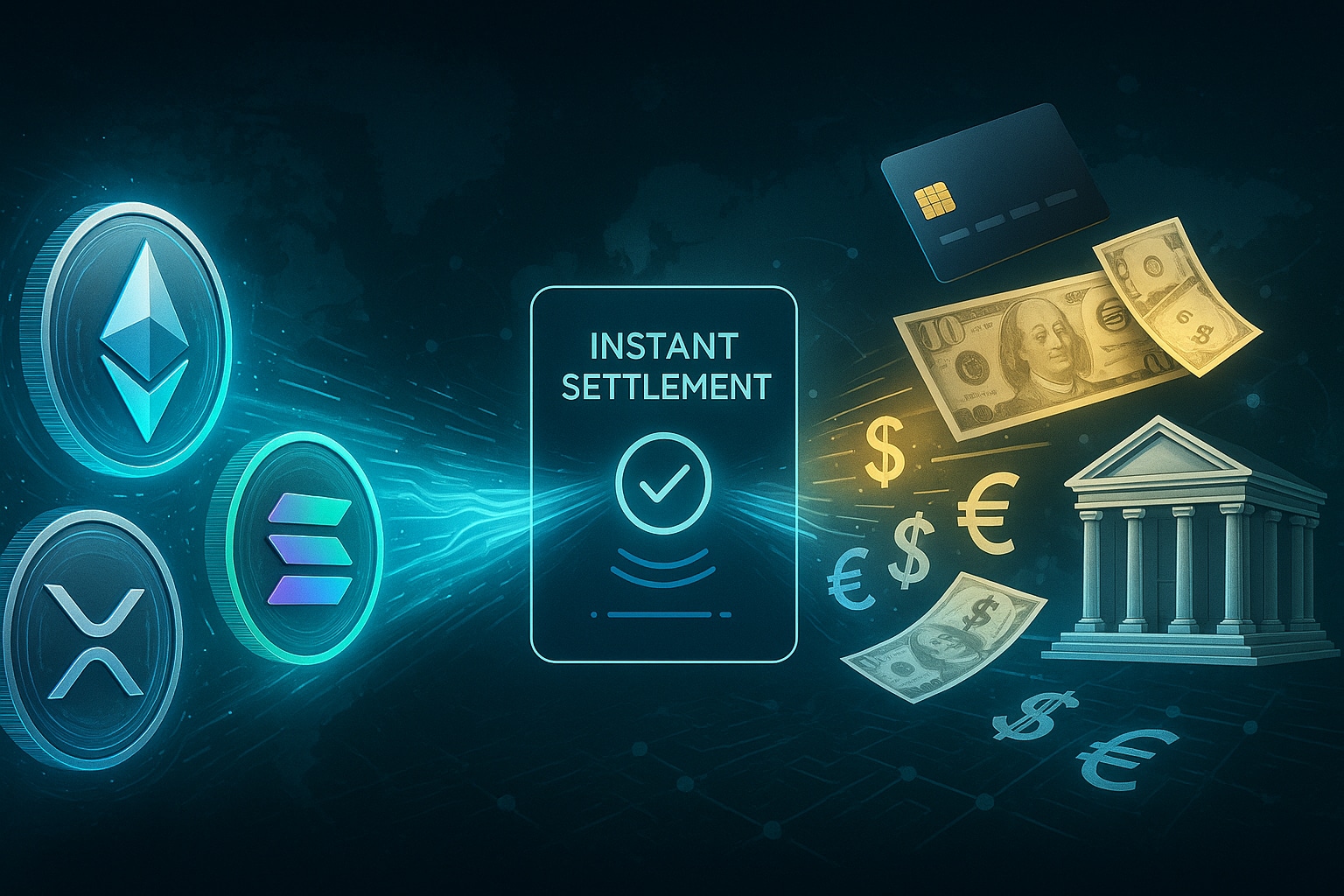
- Instant Settlement: Leverages HTTP for automatic stablecoin payments, enabling real-time access post-payment.
- No Subscriptions: Supports true pay-per-call billing, eliminating recurring fees and registrations.

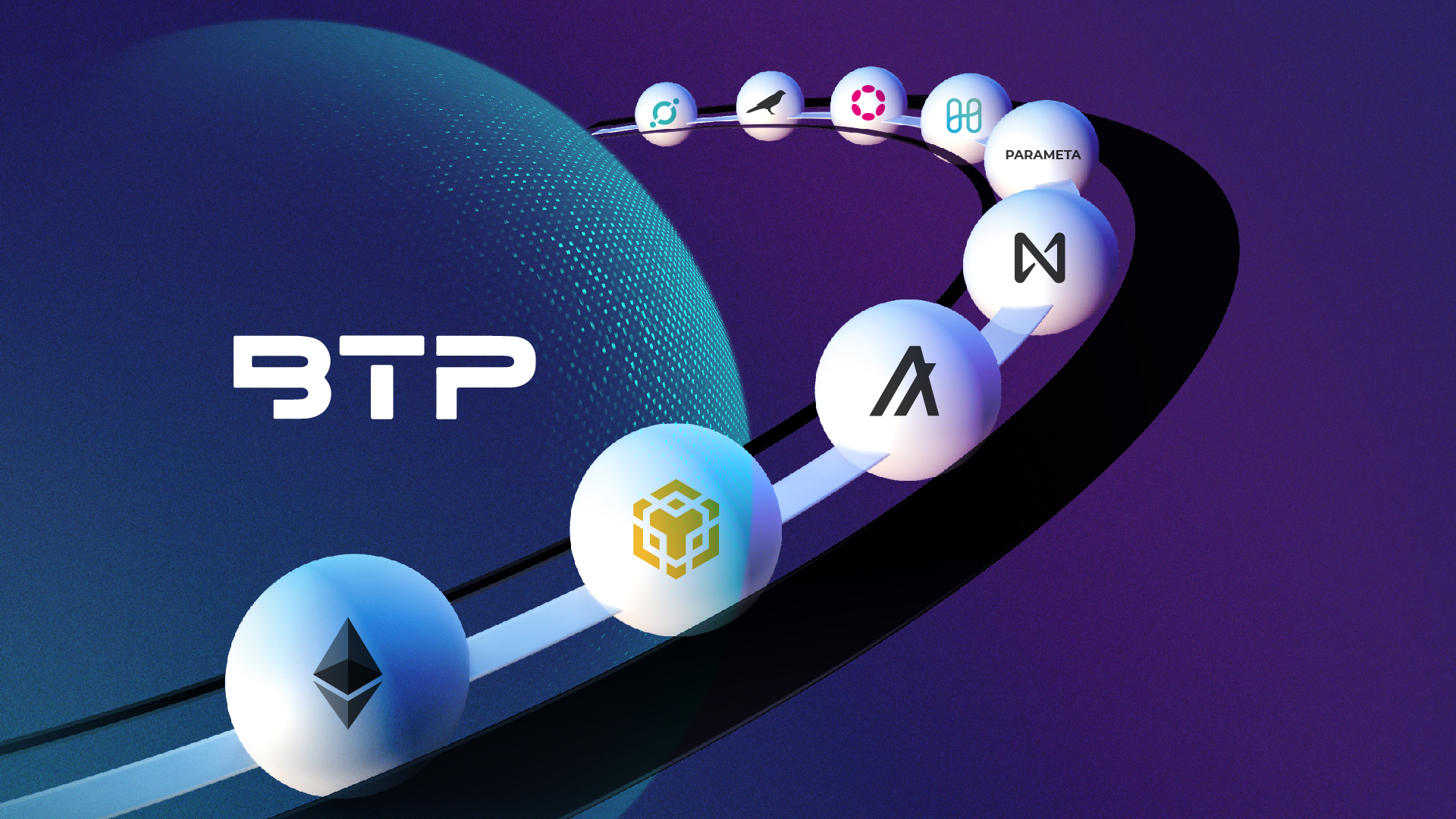
- Chain-Agnostic: Works across blockchains without vendor lock-in, compatible with Solana and others.
- M2M Friendly: Designed for machine-to-machine interactions, ideal for AI agents and IoT devices.

- Low Overhead: Integrates seamlessly into HTTP flows using standard 402 status code, minimizing complexity.
Transforming AI Monetization from Subscriptions to Precision Billing
Subscriptions suited the pre-AI era, when usage was predictable. Today, AI workloads burst unpredictably - a model fine-tuning one day, idle the next. x402's 402 protocol AI APIs model flips this: charge micropay per call AI, down to the inference. Providers like those on SerenAI infrastructure now layer this atop databases and APIs, letting devs pay per query instead of flat fees. It's economic efficiency incarnate, curbing waste and boosting accessibility for indie builders.
Consider the macro tailwinds. AI agents are proliferating, from autonomous traders to personalized tutors. These entities need frictionless AI agent payments x402 to thrive. A sensor paying for each ML inference? Feasible now, without human intervention. This protocol empowers granular metered billing AI inference, where costs mirror compute exactly, fostering a fairer marketplace.
Pioneers Building the x402 Ecosystem
Early adopters are proving the concept. Masken deploys an AI summarizer with zk-powered x402 payments - users pay solely per request, no commitments. SerenAI equips API firms with micropayment billing tools, turning fixed costs variable. x402engine curates APIs across categories, all micropayment-ready. These aren't hypotheticals; they're live, chain-agnostic implementations driving AI402Pay pay-per-use realities.
The Mogami Java SDK exemplifies ease: wrap any Spring endpoint, and it's pay-per-call. Dynamic. xyz integrations further grease onchain payments. As an investor eyeing quality with macroeconomic alignment, I see x402 as undervalued infrastructure. It counters subscription fatigue, much like SaaS shifted from perpetual licenses, but purer for AI's on-demand nature.
Yet the true power lies in its simplicity for developers. Integrating x402 demands minimal changes to existing stacks, preserving the HTTP paradigm while injecting payments natively. This low-friction entry lowers barriers, accelerating adoption across AI providers hungry for pay per inference billing.
A Peek Under the Hood: x402 in Action
To grasp its elegance, consider the protocol's core exchange. A server detects an unauthorized request and fires back a 402, packing the WWW-Authenticate header with payment specifics: chain ID, recipient address, amount in stablecoins, and nonce for idempotency. Clients parse this, execute the transfer via a wallet SDK, then resubmit with a proof header. Verification happens server-side through relayers or oracles, often in under 100ms on high-throughput chains like Solana.
Node.js x402 402 Response for AI Inference API
A straightforward Node.js server using Express.js can implement the x402 payment-required response. This example protects an AI inference endpoint, returning HTTP 402 with payment header details if no valid Payment header is provided.
const express = require('express');
const app = express();

app.use(express.json());

app.post('/api/inference', (req, res) => {
  // Check for payment header
  const payment = req.get('Payment');

  if (!payment) {
    res.set({
      'WWW-Authenticate': `WebPayment credentials=\"macaroon-for-inference\",invoice=\"pay-for-model-${req.body.model || 'default'}\"`
    });
    return res.status(402).json({
      error: 'Payment Required',
      message: 'Include a Payment header with valid micropayment credentials.'
    });
  }

  // Simulate AI inference (in production, verify payment and call AI service)
  console.log('Processing inference with payment:', payment);
  res.json({
    result: 'Generated AI response based on your prompt.'
  });
});

app.listen(3000, () => {
  console.log('x402-enabled AI inference server running on port 3000');
});
This conservative implementation focuses on the essentials: header validation and the 402 response. In practice, integrate with a micropayment provider to verify credentials and handle actual billing per call.
This snippet illustrates the server side; client libraries from Coinbase or Dynamic simplify the payer's logic further. For AI inference endpoints, providers tag compute tiers - say, 1¢ per 1k tokens - embedding them dynamically. No more rate limits or credit balances; pure usage alignment. As someone who's analyzed countless fintech protocols, this feels like the missing layer between HTTP and blockchain, primed for explosive network growth.
Navigating Challenges in the x402 Era
No protocol escapes hurdles. Volatility in stablecoin pegs demands careful UX, though USDC's track record mitigates this. Relayer centralization risks exist, but open-source alternatives proliferate. Gas fees, while compressed on L2s, still factor into micropayment math - viable above ~$0.001 per call. Yet these pale against subscription inefficiencies, where enterprises forfeit millions in idle quotas annually.
Regulatory clarity bolsters the case. x402's transparency - every payment onchain, auditable - suits compliance-heavy sectors like finance AI. Chain-agnostic design sidesteps monoculture risks, interoperating across Solana's speed, Algorand's purity, or Ethereum L2s. Investors note: this isn't hype; it's infrastructure with Metcalfe's law potential, where value squares with connected APIs.
x402 vs. Traditional API Billing Models
| Billing Model | Cost Predictability | Setup Overhead | Per-Transaction Overhead | Scalability for AI Agents |
|---|---|---|---|---|
| Subscriptions | High (fixed monthly fee) | Low (one-time signup) | None | Medium (plan tiers limit flexibility) |
| Prepaid Credits | Medium (usage-dependent) | Medium (credit purchases) | Low (balance tracking) | Low (manual refills needed) |
| Traditional Pay-Per-Call | High (known per-call rates) | High (OAuth, accounts, billing) | Medium (invoicing, minimums) | Medium (account-based limits) |
| x402 Pay-Per-Call | High (transparent per-call pricing) | Minimal (HTTP-native, no accounts) | Minimal (instant micropayments) | High (agentic, M2M, unlimited small txns) 🚀 |
From Masken's zk summarizers to x402engine's API suites, live deployments validate the model. SerenAI's tools let database owners meter queries precisely, unlocking long-tail monetization. Indie devs, long squeezed by OpenAI's tiers, now compete on equal footing with micropay per call AI.
The Investor Lens: Moats and Tailwinds
Zooming out, x402 aligns with seismic shifts. AI inference costs plummet - from dollars to cents per million tokens - demanding matching billing granularity. Agentic workflows, where bots chain API calls autonomously, crave AI agent payments x402. Macro tailwinds abound: rising stablecoin TVL, regulatory nods to DeFi, and AI capex exploding past $100 billion yearly.
Quality compounds here. Early movers like Coinbase build defensible positions via docs, SDKs, and ecosystem grants. As a veteran scanning for moats, I prioritize protocols with protocol-level stickiness - x402 embeds itself in HTTP, inescapable as the web itself. Hold through volatility, yes, but position ahead of the curve. The shift to metered billing AI inference isn't optional; it's inexorable, rewarding builders and backers who grasp it first.
Picture a future where your thermostat pays for weather inferences, or a trading bot settles per signal. x402 makes this mundane, fueling an economy of intelligent machines. For developers, it's liberation from billing drudgery; for users, fair value; for markets, untapped trillions in granular commerce. The protocol's open nature invites iteration, ensuring resilience amid AI's relentless march.




No comments yet. Be the first to share your thoughts!