x402 Micropayments for AI Agents: Pay-Per-Inference Billing Without Gas Fees on Solana

Autonomous AI agents are reshaping how we interact with digital services, demanding frictionless payments for every inference, API call, or data query. x402 micropayments on Solana deliver exactly that: pay-per-inference billing stripped of gas fees, empowering agents to transact independently in real time. With Solana’s blistering speed and negligible costs, this protocol turns the dream of an agent economy into reality, processing over 35 million transactions and surpassing $10 million in volume since launch.

Solana’s current price stands firm at $84.52, down 2.44% in the last 24 hours from a high of $87.60. Yet, beneath this minor dip lies robust infrastructure primed for explosive growth in AI-driven micropayments.
HTTP 402 Reborn: x402 as the Backbone for AI Agent Payments
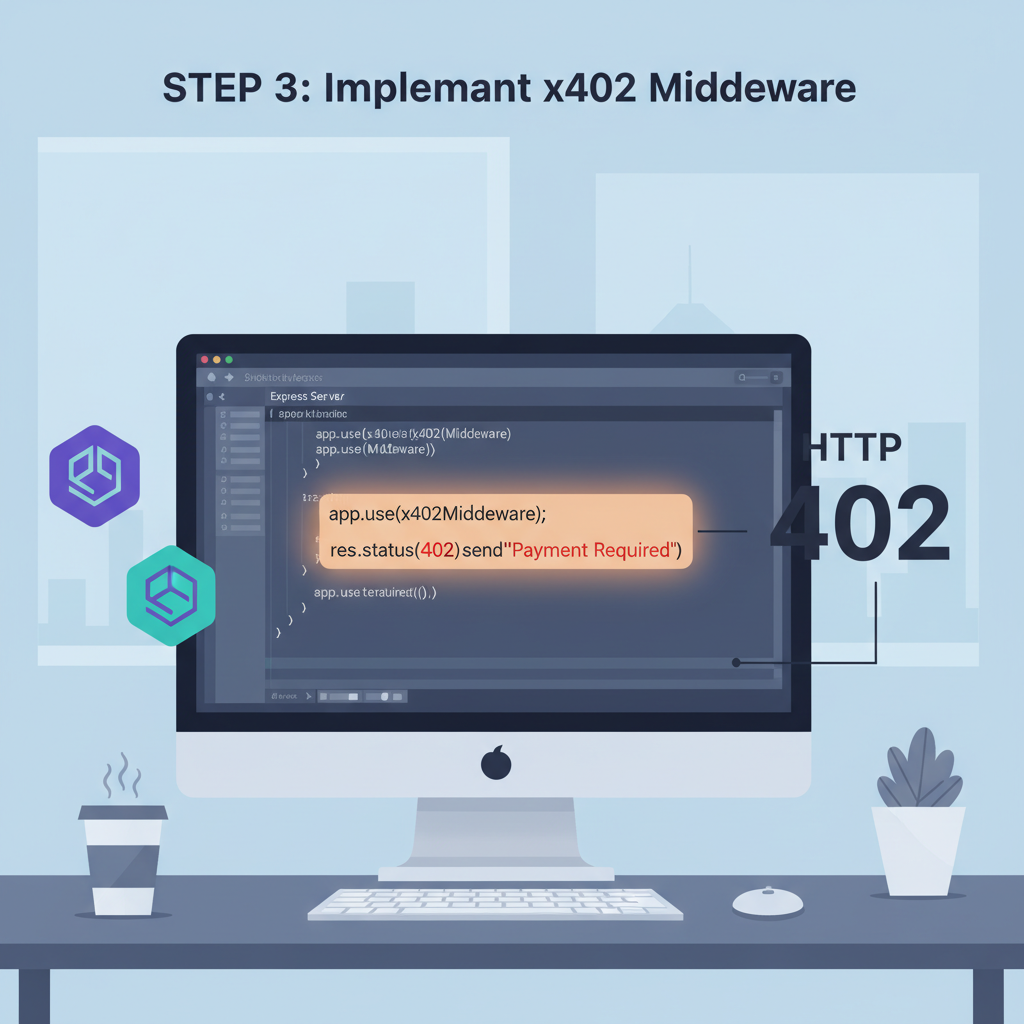
The x402 protocol cleverly resurrects the long-dormant HTTP 402 ‘Payment Required’ status code, transforming it into a crypto-native standard for web payments. Unlike clunky credit card processors slapping on 2.9% fees plus 30 cents per transaction, x402 imposes zero protocol fees; you only cover blockchain gas, often mere fractions of a cent on efficient networks like Solana. This makes x402 micropayments for AI agents not just viable, but inevitable.
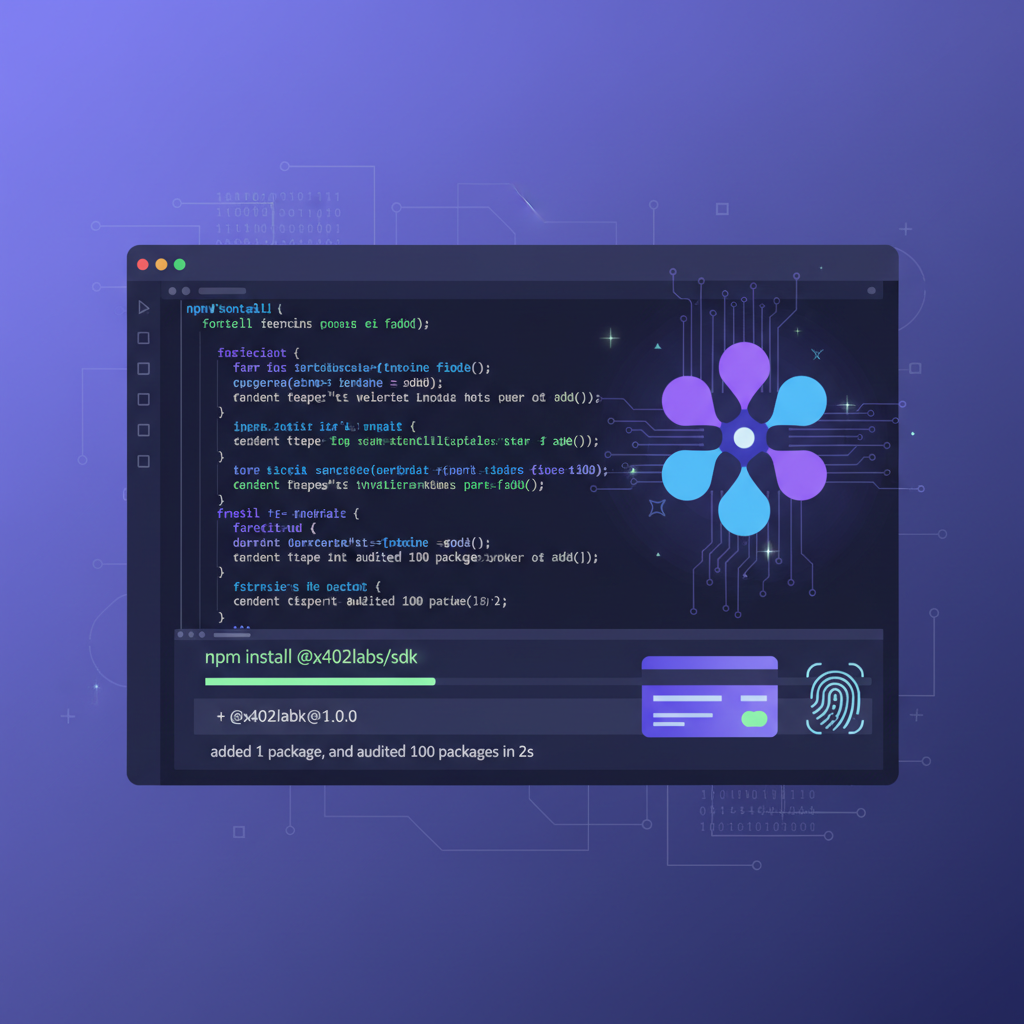
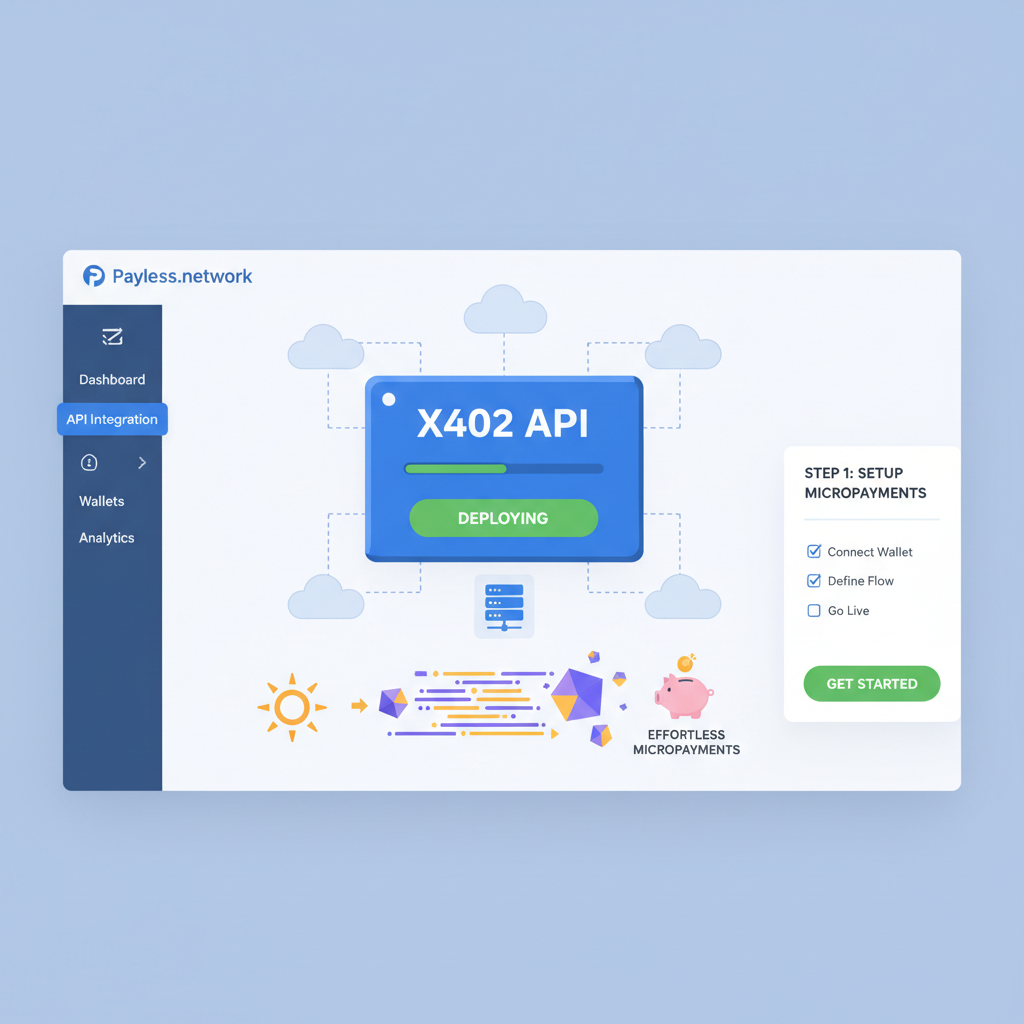
Picture an AI agent querying a weather API, generating an image, or analyzing market data. With x402, it hits a paywall, authenticates via wallet, and settles instantly – no subscriptions, no API keys, no human intervention. Platforms like x402Labs provide SDKs for seamless integration, while Payless offers serverless endpoints for developers to monetize APIs on a per-request basis. I’ve seen similar patterns in high-frequency trading desks; when costs plummet to near-zero, volume explodes, and that’s precisely what’s unfolding here.
AI agent orchestration platforms now support native x402 via ShadowWire, unlocking agent-to-agent and agent-to-service micropayments.
Solana’s Edge: High-Throughput Haven for Feeless Inference Billing
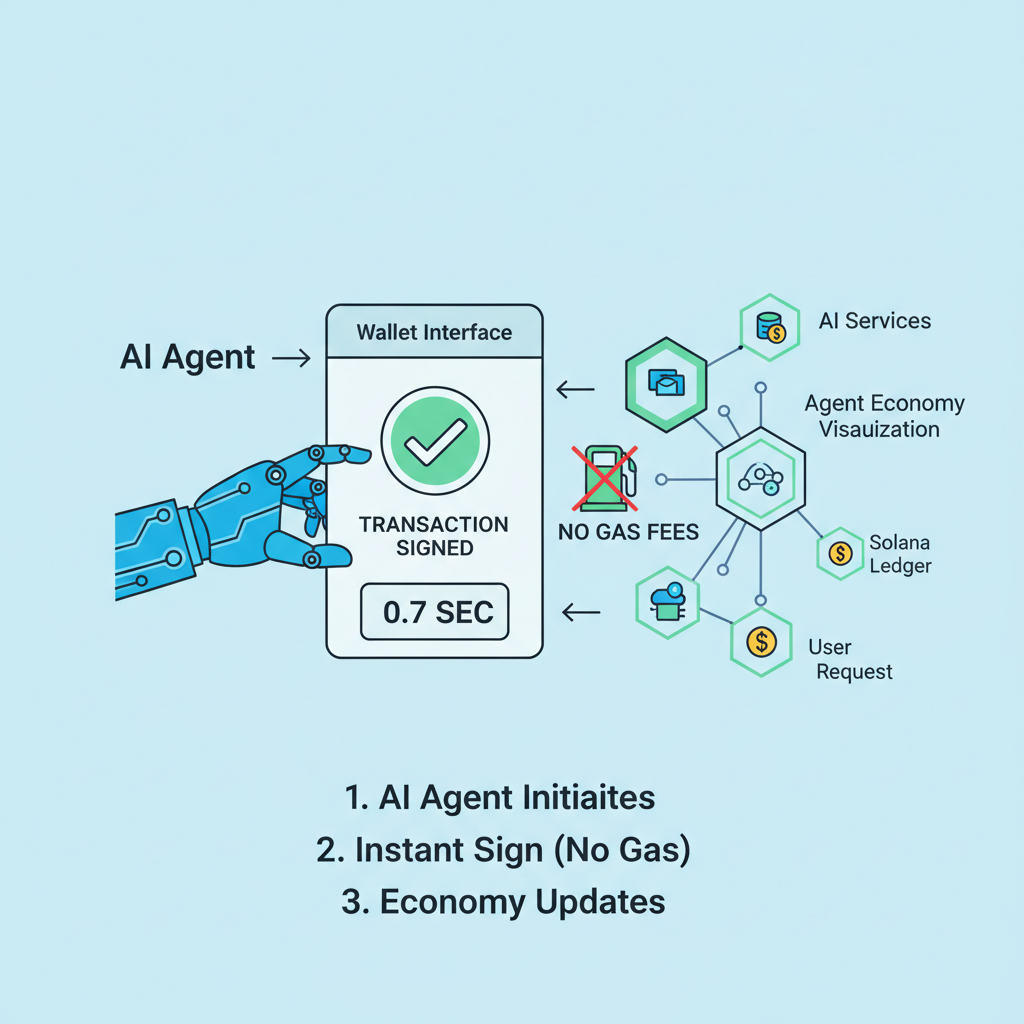
Solana isn’t just another blockchain; it’s the velocity engine for pay per inference Solana models. Boasting sub-second finality and transaction costs under a penny, it obliterates the gas fee barriers plaguing Ethereum or even L2s. x402 leverages this for AI API billing 402 protocol, where agents pay precisely for compute cycles consumed – think per-token generation or per-model invocation.
Solana (SOL) Price Prediction 2027-2032
Forecasts driven by x402 micropayments adoption for AI agents, Solana’s high-throughput advantages, and broader market cycles
| Year | Minimum Price | Average Price | Maximum Price | YoY % Change (Avg) |
|---|---|---|---|---|
| 2027 | $150 | $250 | $400 | +150% |
| 2028 | $220 | $380 | $650 | +52% |
| 2029 | $320 | $550 | $950 | +45% |
| 2030 | $450 | $780 | $1,350 | +42% |
| 2031 | $650 | $1,100 | $1,800 | +41% |
| 2032 | $850 | $1,450 | $2,400 | +32% |
Price Prediction Summary
Solana is poised for substantial growth from its current ~$85 level, fueled by x402’s pay-per-inference model enabling seamless AI agent micropayments without gas fees. Bullish scenarios project averages surpassing $1,400 by 2032 amid AI economy expansion, while minimums account for potential bear markets or regulatory hurdles. Projections assume progressive adoption, tech upgrades, and favorable cycles.
Key Factors Affecting Solana Price
- x402 protocol adoption accelerating AI agent payments on Solana’s low-cost, high-speed network
- Explosive growth in AI agents demanding micropayments (35M+ txns, $10M+ volume already)
- Market cycles: Post-2026 bull run with BTC/ETH leadership boosting alts
- Regulatory clarity for stablecoins and DeFi payments
- Solana ecosystem expansions (e.g., Payless, x402Labs SDKs)
- Competition from L2s/Ethereum but Solana’s edge in throughput and finality
- Macro factors: AI hype, institutional inflows, potential network upgrades mitigating outages
Disclaimer: Cryptocurrency price predictions are speculative and based on current market analysis.
Actual prices may vary significantly due to market volatility, regulatory changes, and other factors.
Always do your own research before making investment decisions.
Current market data underscores Solana’s resilience: at $84.52, it’s holding above key supports despite a 24-hour low of $83.10. This stability signals investor confidence amid x402’s traction, with facilitators handling cross-chain swaps and merchant friction so agents pay in preferred tokens effortlessly. MultiversX and Hedera experiments prove the concept, but Solana’s scale – millions of TPS potential – positions it as the frontrunner for agentic payments.
Unlocking Agent-to-Agent Transactions on Solana
In an agent economy, payments aren’t one-way streets; they’re dynamic flows between autonomous entities. x402 on Solana enables agent to agent payments Solana, where one AI hires another for specialized tasks – a research bot paying a summarizer, or a trader agent compensating a signal provider. No intermediaries, just programmatic logic triggering HTTP 402 challenges resolved via on-chain transfers.
This setup thrives on Solana’s parallelism, processing concurrent micropayments without congestion. Developers monetize APIs via micropay per call AI APIs, charging fractions of a cent per inference. Content creators gate premium data behind x402 walls, agents pay on access. Legal frameworks are evolving too, with consent models adapting from human to machine interactions, ensuring compliance in stablecoin flows.
From my vantage in quantitative trading, this mirrors forex micro-lots: granularity breeds efficiency. x402 eliminates subscription bloat, aligning costs to value delivered. As adoption surges – evidenced by Dynamic’s usage-based AI billing and Alea Research’s rails analysis – Solana at $84.52 looks undervalued for the inference boom ahead.
Dynamic. xyz exemplifies this shift, pairing x402 with usage-based billing where AI models invoice per inference, ensuring agents foot the bill only for actual consumption. No more overpaying for idle capacity; it’s pure efficiency, akin to spot forex trading where you pay spreads per pip moved.
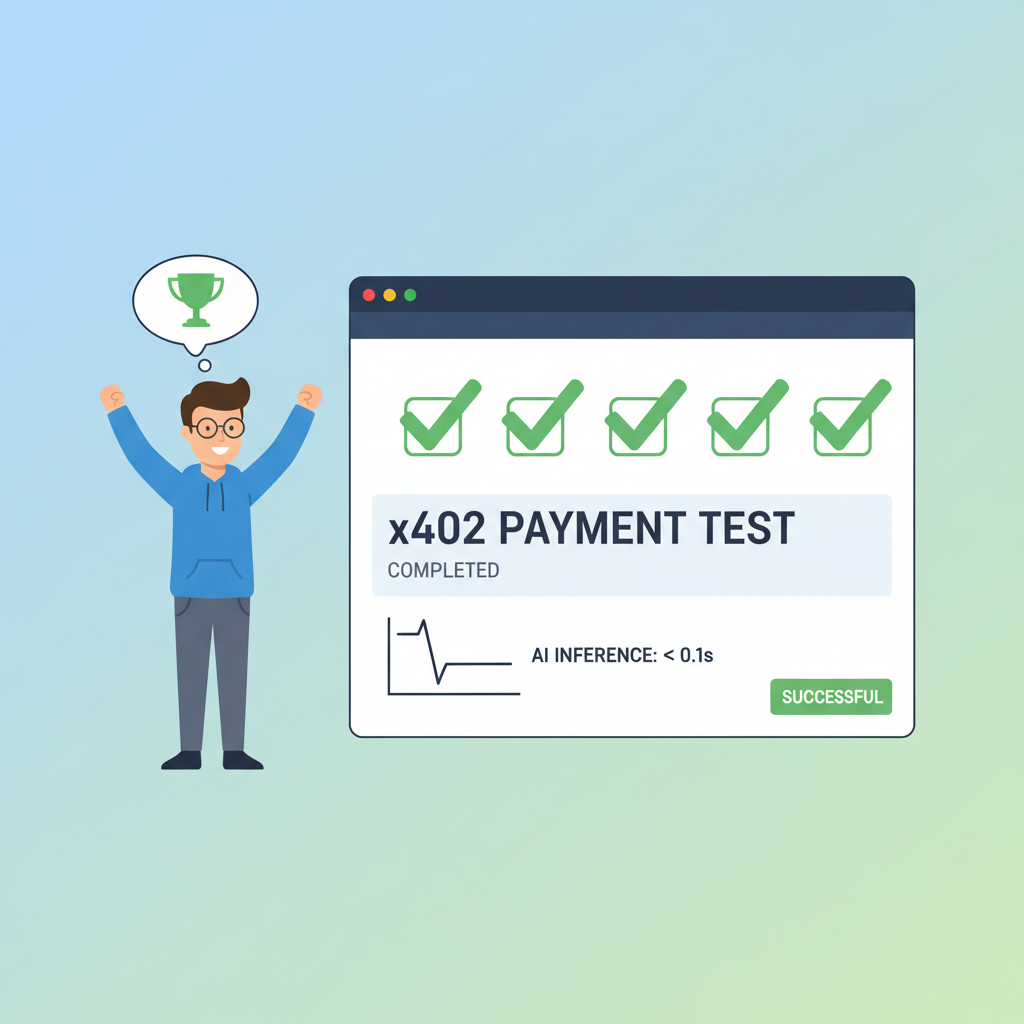
Seamless x402 Integration: Pay-Per-Inference on Solana Without Gas Fees

Real-World Use Cases Driving Solana’s Agent Economy
Envision a fleet of AI traders on Solana: one agent scrapes news via x402-gated feeds, pays a sentiment analyzer agent fractions of a cent per query, then executes trades. Total cost? Pennies, settled at $84.52 SOL peg rates. Or research agents chaining LLMs – each hop triggers pay per inference Solana, audited on-chain for transparency.
Content platforms gate premium datasets; agents negotiating access autonomously. Simply Staking highlights how zero protocol fees unlock this, outpacing legacy rails. Alea Research nails it: x402’s gas-only model crushes card processors, fostering an economy where trillions of micro-txns hum daily.
Challenges persist – wallet standardization, oracle reliability – but Solana’s ecosystem matures fast. From ShadowWire’s agent orchestration to Dynamic’s monetization layers, pieces align. At $84.52 after dipping to $83.10, SOL embodies coiled potential; I’ve charted enough breakouts to spot when infrastructure precedes price surges.
Regulatory nods emerge too. Braumiller Law Group’s stablecoin analysis outlines consent for agent-initiated flows, bridging human laws to machine economies. PANews decodes x402’s Solana fit for feeless content, agents paying creators directly. This isn’t hype; it’s the plumbing for AI’s next leap.
Medium posts like Jung-Hua Liu’s underscore L2-level gas on Solana, fractions equating viability. 위핀 지갑’s rails deep-dive positions x402 as HTTP 402’s revival, agent-native. As volume hits $10M and on 35M txns, Solana at $84.52 -2.44% daily – trades like a sleeper hit, ready to rally on agent adoption waves. Quantitative edges favor it: low costs fuel exponential txns, mirroring HFT liquidity pools I’ve navigated for years. The agent era pays per inference, and Solana collects.