
What AI 402 Pay 2026 Means for Taxes
The x402 protocol is an HTTP-native payment standard that allows AI agents to pay for API access using stablecoins. It is not a new tax code, nor does it introduce a novel asset class. Instead, it automates the transfer of existing cryptocurrencies—typically USDC or USDT—between digital wallets to settle microtransactions. This automation changes the mechanics of commerce, but the underlying tax obligations remain rooted in how the IRS treats cryptocurrency transactions.
Under current IRS guidance, any exchange of property for property is a taxable event. When an AI agent sends USDC to a service provider in response to an HTTP 402 header, it is disposing of property. If the USDC was acquired at a lower cost basis than the current market value, the agent’s operator realizes a capital gain. The x402 protocol facilitates this transfer, but it does not exempt the parties from reporting requirements. The tax liability arises from the movement of the crypto asset itself, not the HTTP status code.
This distinction is critical for compliance. Traditional tax forms like Schedule D or Form 8949 track sales and exchanges of capital assets. Automated agent commerce generates a high volume of these exchanges, often at a scale that manual tracking cannot support. The x402 protocol logs these transactions on-chain, creating an immutable record that the IRS can audit. Operators must ensure that their tax reporting software can ingest these on-chain events and calculate gains or losses accurately.
Clarification: x402 is an HTTP payment protocol, not a new tax code. The tax implications come from the underlying crypto asset movement.
Consider a simple example: an AI agent needs to query a weather API. The API requires $0.01 in USDC. The agent holds USDC purchased six months ago at $0.99 per token. When the agent pays the $0.01, it is selling a fraction of its USDC holdings. If the current value of that fraction is $0.015, the operator has realized a $0.005 gain. This gain must be reported, even if the transaction was automated and occurred without human intervention. The x402 protocol ensures the payment is made, but the tax responsibility remains with the operator of the AI agent.
Tracking microtransactions for compliance
Automated agent commerce generates transaction volumes that dwarf traditional digital commerce. When AI agents negotiate and execute payments autonomously, they create a dense network of micropayments. Tracking these high-frequency, low-value transfers is the primary compliance hurdle for 2026.
The scale is immense. Agentic payments on the Base network crossed 100 million transactions in approximately three quarters, surging from near-zero in Q3 2025 before moderating in early 2026. Each of these transactions represents a taxable event or a cost basis adjustment that must be recorded. The challenge is not just volume, but the fragmentation of data across multiple wallets and protocols.
Taxpayers must aggregate these flows to calculate accurate cost basis and income reporting. A single AI agent might execute hundreds of microtransactions daily, buying API access, computing power, or data feeds. Without robust aggregation tools, distinguishing between capital gains, ordinary income, and business expenses becomes nearly impossible. The IRS requires precise records of when, where, and for how much each asset was acquired or disposed of.
To contextualize the scale of agentic payments, we can look at the underlying network activity.
The volume trends on the Base network highlight the rapid adoption of the x402 protocol. This surge in activity underscores the necessity for automated tax reporting solutions that can handle real-time data ingestion. Manual tracking is no longer feasible for entities operating at this scale. The complexity of these transaction flows demands a systematic approach to compliance, focusing on the specific mechanics of income recognition and expense deduction for automated agents.
Classifying AI Agent Revenue Streams
The x402 protocol automates payment execution, but it does not automate tax classification. When an AI agent accepts a stablecoin for a computational task, the transaction triggers specific reporting requirements under current IRS guidance. The primary question is whether this income constitutes ordinary service revenue or a capital gain from asset disposal.
For most businesses, AI services provided via API calls are treated as ordinary income. The value received—typically a stablecoin pegged to the US dollar—is recorded at its fair market value at the moment of receipt. This amount is included in gross income on the tax return for that fiscal year. The underlying mechanism is simple: the agent provides a service, and the user pays for it. The fact that the payment is automated and on-chain does not change the nature of the exchange.
Classification becomes more complex when the payment involves volatile assets like Bitcoin or Ethereum. In these cases, two taxable events may occur simultaneously. First, the receipt of the asset is ordinary income based on its value at the time of transfer. Second, if the agent or business immediately converts that asset to a stablecoin or fiat currency, a capital gain or loss is realized on the difference between the fair market value at receipt and the sale price.
To clarify the distinction between direct crypto payments and fiat-converted AI service fees, consider the following comparison.
| Payment Type | Income Classification | Reporting Timing | Tax Impact |
|---|---|---|---|
| Stablecoin (USDC/USDT) | Ordinary Service Revenue | At time of receipt | No capital gain on receipt |
| Volatile Crypto (BTC/ETH) | Ordinary Income + Capital Event | At receipt and at conversion | Gain/loss on conversion |
| Fiat Gateway | Ordinary Service Revenue | At time of settlement | Standard income reporting |
Businesses must maintain precise records of the timestamp and fair market value for every transaction. Because the x402 protocol operates at machine speed, manual tracking is insufficient. Automated accounting software that integrates with blockchain explorers is necessary to capture the exact value at the moment the HTTP 402 response is processed. Failure to record the value at receipt, rather than at conversion, can lead to significant underreporting of income.
Avoiding Common Reporting Mistakes
Compliance with AI 402 Pay 2026 rules requires precise identification of transaction flows. Automated agent commerce creates complex payment chains where the payer, the recipient, and the service provider may differ. Misidentifying these roles leads to incorrect reporting on IRS forms. This section outlines specific pitfalls and how to avoid them.
Many agents operate on behalf of third-party clients. The entity making the crypto payment is not always the entity liable for the tax. You must trace the payment source to the ultimate payer. Reporting the wrong payer can trigger IRS audits for mismatched 1099-NEC filings.
Small payments from multiple agents can add up quickly. Ignoring transactions under $600 is a common mistake. AI 402 Pay often involves frequent, low-value exchanges. Summing these micro-transactions is essential for accurate income reporting. Failure to aggregate these amounts can result in underreporting income.
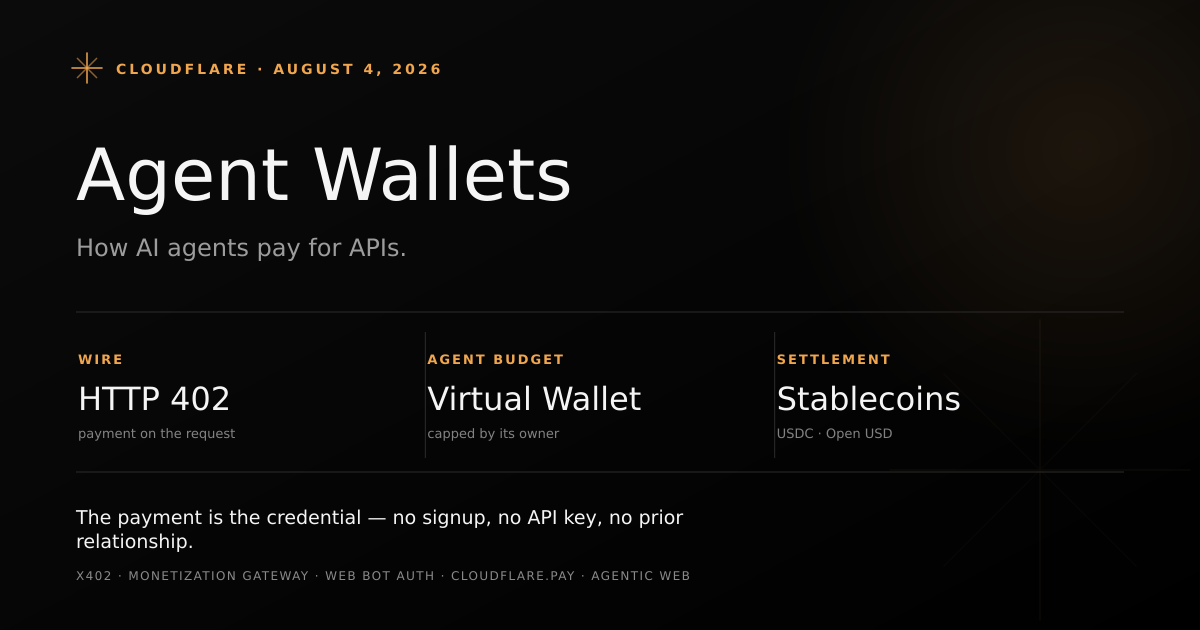
AI agents may sell digital products or provide consulting services. The tax treatment differs for each. Services are typically reported on Form 1099-NEC, while goods sales may require Form 1099-K or Schedule C. Misclassifying the nature of the service leads to incorrect tax forms and potential penalties.
By focusing on these specific reporting mechanics, you can ensure compliance with AI 402 Pay 2026 regulations. Accurate identification of payers, aggregation of micro-transactions, and correct classification of services are critical for avoiding IRS penalties.
No comments yet. Be the first to share your thoughts!