
What is the AI 402 Pay Constraint?
The "AI 402 Pay" constraint refers to the x402 protocol, an emerging standard that allows AI agents to make cryptocurrency payments for accessing online content or services. Named after the HTTP 402 "Payment Required" status code, this system removes the friction of manual transactions by enabling autonomous, machine-to-machine payments.
This constraint is critical for the next generation of AI agents. Without a built-in payment mechanism, agents are limited to free, ad-supported, or open-source data. The 402 standard opens access to premium APIs, real-time financial data, and specialized models, turning AI assistants into capable economic actors.
For developers and users, this means a shift from manual subscription management to automated, micro-transactional workflows. Agents can now pay for specific queries or data points on demand, creating a more efficient and scalable internet economy.
Ai 402 pay choices that change the plan
Adopting the x402 protocol for AI agent payments introduces specific operational shifts. Unlike traditional credit card processing, this system relies on cryptocurrency transactions and cryptographic headers. Before integrating, evaluate these four concrete factors to determine if the architecture fits your revenue model.
| Factor | AI 402 Pay | Traditional Gateway | Risk Level |
|---|---|---|---|
| Settlement Speed | Near-instant on-chain | 2-3 business days | ai402 wins |
| Transaction Fees | Network gas + protocol fee | 2.9% + $0.30 | traditional wins |
| Chargeback Protection | Irreversible transactions | Dispute window available | traditional wins |
| Currency Volatility | High (crypto fluctuations) | Stable fiat | ai402 wins |
Settlement and Liquidity
AI 402 enables near-instant settlement directly on the blockchain. This eliminates the 2-3 day waiting period typical of traditional gateways like Stripe or PayPal. For high-frequency AI agents, this liquidity boost allows for continuous reinvestment without cash flow interruptions. However, you must manage crypto volatility. If your costs are in fiat but revenue is in crypto, you face exchange rate risk unless you use a stablecoin or immediate off-ramp.
Fee Structures
Traditional gateways charge a flat percentage (often 2.9%) plus a fixed fee per transaction. AI 402 replaces this with network gas fees and protocol costs. For microtransactions under $1, AI 402 is significantly cheaper because gas fees are fixed or negligible depending on the chain. For high-value transactions, the percentage cost may rise if the protocol includes a revenue share. Calculate your average order value to see which model yields higher margins.
Irreversibility and Fraud
The most significant tradeoff is the lack of chargeback protection. Once an AI agent pays via x402, the transaction is irreversible. This protects merchants from fraudulent disputes but requires robust service delivery verification. If your AI service fails to deliver the promised output, customers have no automated recourse. You may need to build manual refund workflows or rely on reputation systems to maintain trust.
Integration Complexity
Traditional gateways offer plug-and-play APIs with extensive documentation. AI 402 requires integrating with blockchain wallets, managing private keys, and handling cryptographic headers. This increases initial development time and ongoing maintenance. Ensure your engineering team has blockchain literacy or budget for specialized development. The long-term payoff is lower fees and faster settlement, but the upfront barrier is higher.
How to choose the right AI payment gateway for 2026
Selecting a payment gateway for AI agents requires moving beyond standard credit card processors. The HTTP 402 protocol (x402) is becoming the standard for machine-to-machine transactions, but not all implementations are equal. To reduce friction and boost conversion, you need a gateway that handles crypto volatility, supports agent autonomy, and integrates cleanly with existing web infrastructure.
Here is a practical framework for evaluating and choosing the right solution.
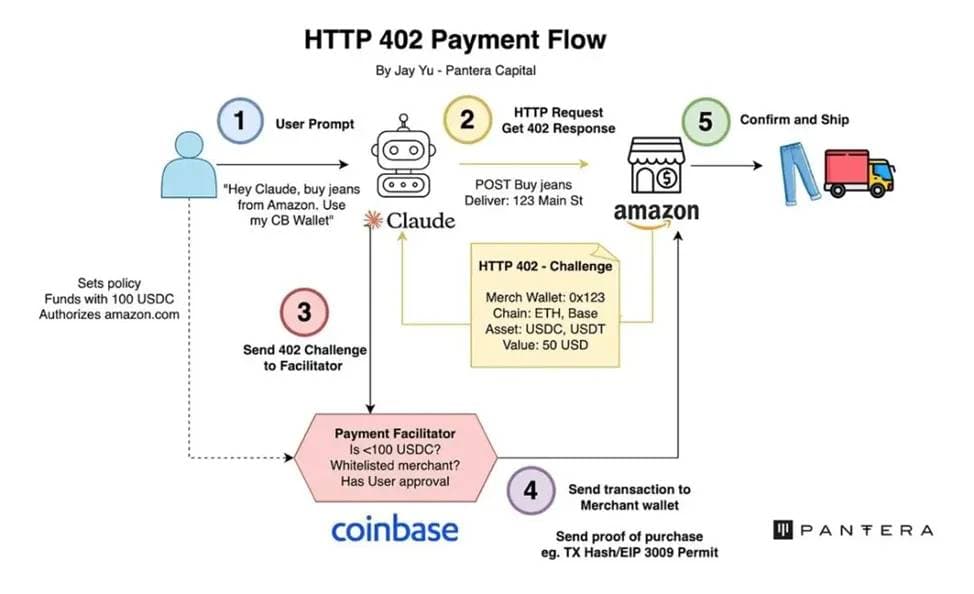
The core requirement is native HTTP 402 support. Ensure the gateway returns a 402 Payment Required status code with a valid payload when payment is needed. This allows AI agents to programmatically detect the paywall and trigger a transaction without human intervention. Avoid gateways that only offer "crypto payments" via manual wallet connections; they do not support autonomous agent workflows.
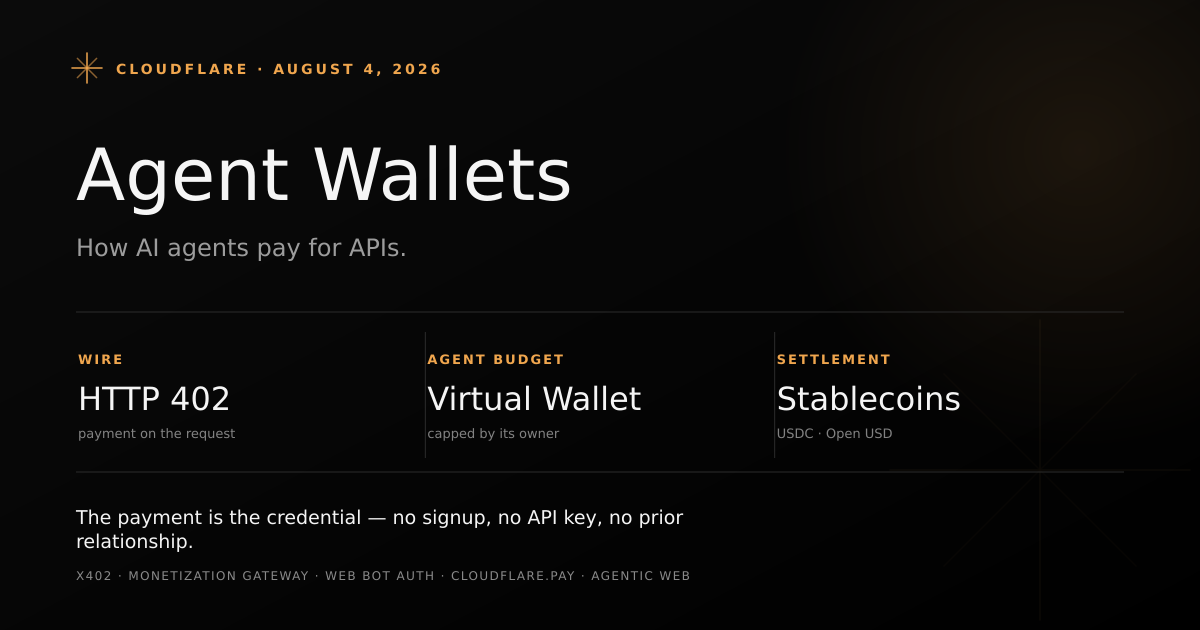
Volatility kills conversion rates for AI services. The best gateways support stablecoins (USDC, USDT) on multiple chains (Ethereum, Solana, Base) to ensure fast, low-cost, and predictable settlements. This gives your AI agents flexibility to choose the most efficient network for each transaction, reducing gas fees and settlement times.
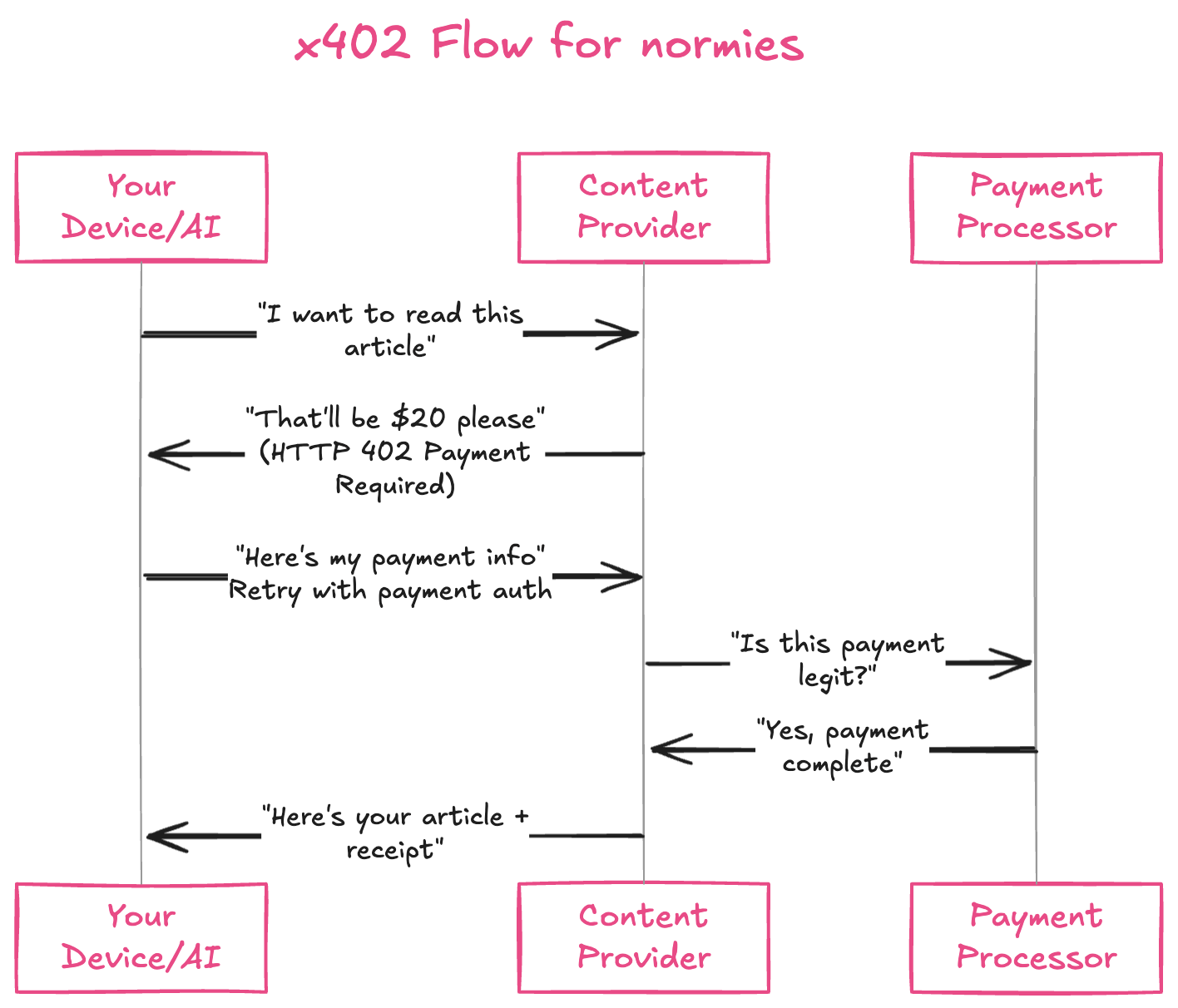
Look for SDKs and libraries that simplify the implementation of x402. The gateway should provide clear documentation for generating payment payloads, handling signature verification, and managing state transitions. Complex integrations increase development time and the risk of errors that could block agent transactions.
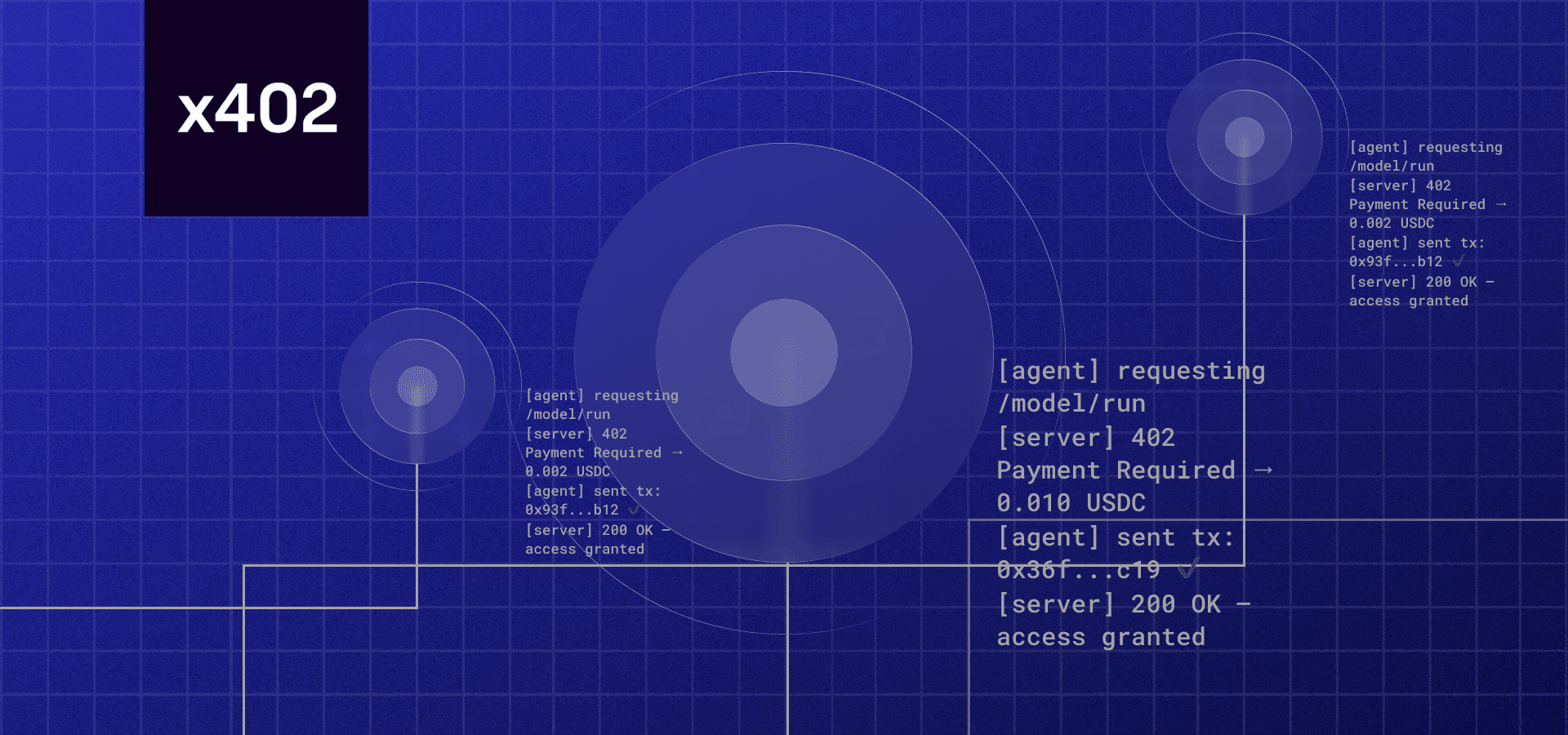
Even with automated payments, you need safeguards. Choose a gateway that offers built-in fraud detection, such as monitoring for suspicious transaction patterns or blacklisted addresses. Ensure the provider complies with relevant financial regulations in your target markets to avoid legal risks as AI commerce scales.
Before committing, run a pilot test. Simulate AI agent requests to measure how quickly the gateway responds with a 402 status and how smoothly the agent can complete the payment. Track conversion rates and failure reasons. This real-world data is the only way to know if the gateway truly reduces friction for your specific use case.
Spotting Misleading Claims About AI 402 Payments
The x402 protocol (often confused with Air India flight AI402) enables AI agents to pay for content via cryptocurrency, but the market is rife with overhyped claims. Before integrating these tools, you need to separate the technical reality from the marketing noise. Here are the specific pitfalls to avoid when evaluating AI 402 payment gateways in 2026.
Claiming "Zero Friction" Without Addressing Volatility
Many vendors advertise instant, frictionless transactions. This is misleading. While the blockchain settlement is fast, the exchange rate between the user’s fiat currency and the required crypto asset can fluctuate wildly during the checkout window. If your gateway doesn’t include real-time price locking or stablecoin options, customers face unexpected costs. Always verify if the provider uses a stablecoin bridge or a fiat-on-ramp to protect the buyer from market swings.
Overlooking the "Paywall Bypass" Risk
A common mistake is assuming x402 automatically prevents scraping. In reality, if the payment gateway doesn’t tightly couple the payment proof to the content delivery API, automated bots can still scrape the data after a single successful payment or by exploiting weak authentication. Ensure the provider uses cryptographic proofs that are verified server-side every time content is accessed, not just at the initial login.
Ignoring Hidden Gas and Network Fees
Some platforms advertise low transaction fees but omit the underlying network gas costs. On congested networks like Ethereum, these fees can exceed the transaction amount for small purchases. Look for gateways that support Layer-2 solutions or alternative chains with lower base fees. If the provider doesn’t clearly disclose which network is being used, assume the fees will eat into your margins or frustrate your users.
Assuming Universal AI Agent Compatibility
Not all AI agents are built to handle cryptocurrency transactions. Many legacy agents lack the wallet infrastructure or API endpoints required for x402. Vendors claiming "universal compatibility" are often overselling. Check if the provider offers a simple HTTP-based payment verification method that legacy systems can integrate with, rather than forcing a complete overhaul of your agent’s architecture.
Ai 402 pay: what to check next
The x402 protocol enables AI agents to pay for online resources without human intervention. This section addresses the most common questions about how the system functions, its security, and its practical application for developers and content providers.
No comments yet. Be the first to share your thoughts!