
What is AI 402 Pay
The x402 protocol, often referred to as "AI 402 Pay," is a technical standard designed to enable autonomous AI agents to make cryptocurrency payments for online resources. It revives HTTP 402, a rarely used standard status code that indicates payment is required to access content. Unlike traditional payment rails that rely on credit cards or fiat currency, x402 allows software to negotiate and settle transactions directly in crypto tokens.
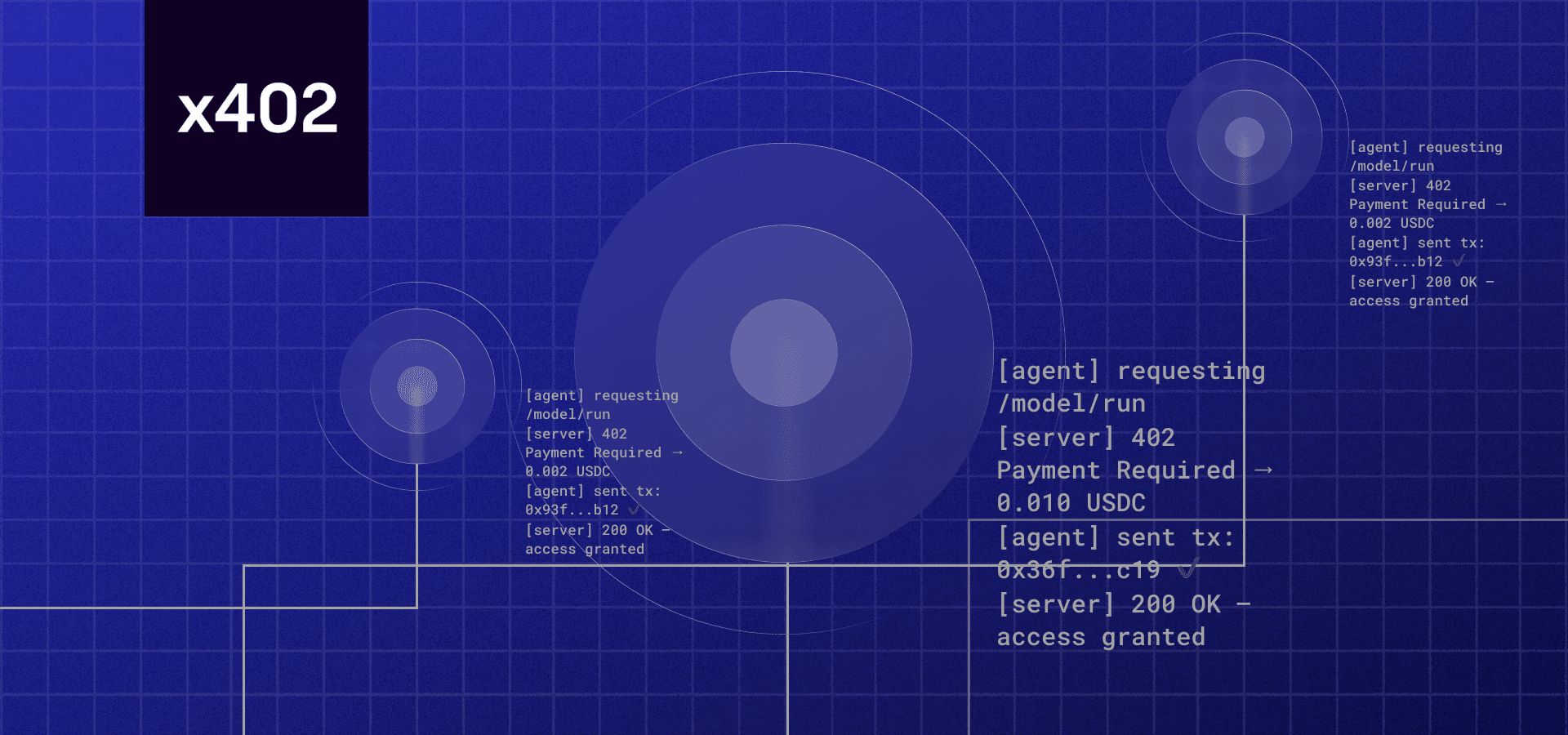
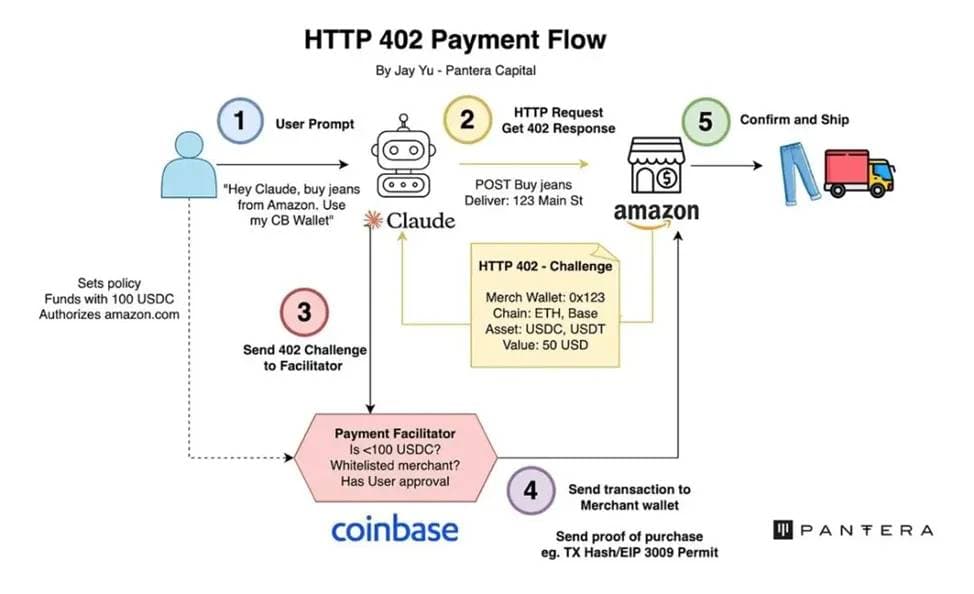
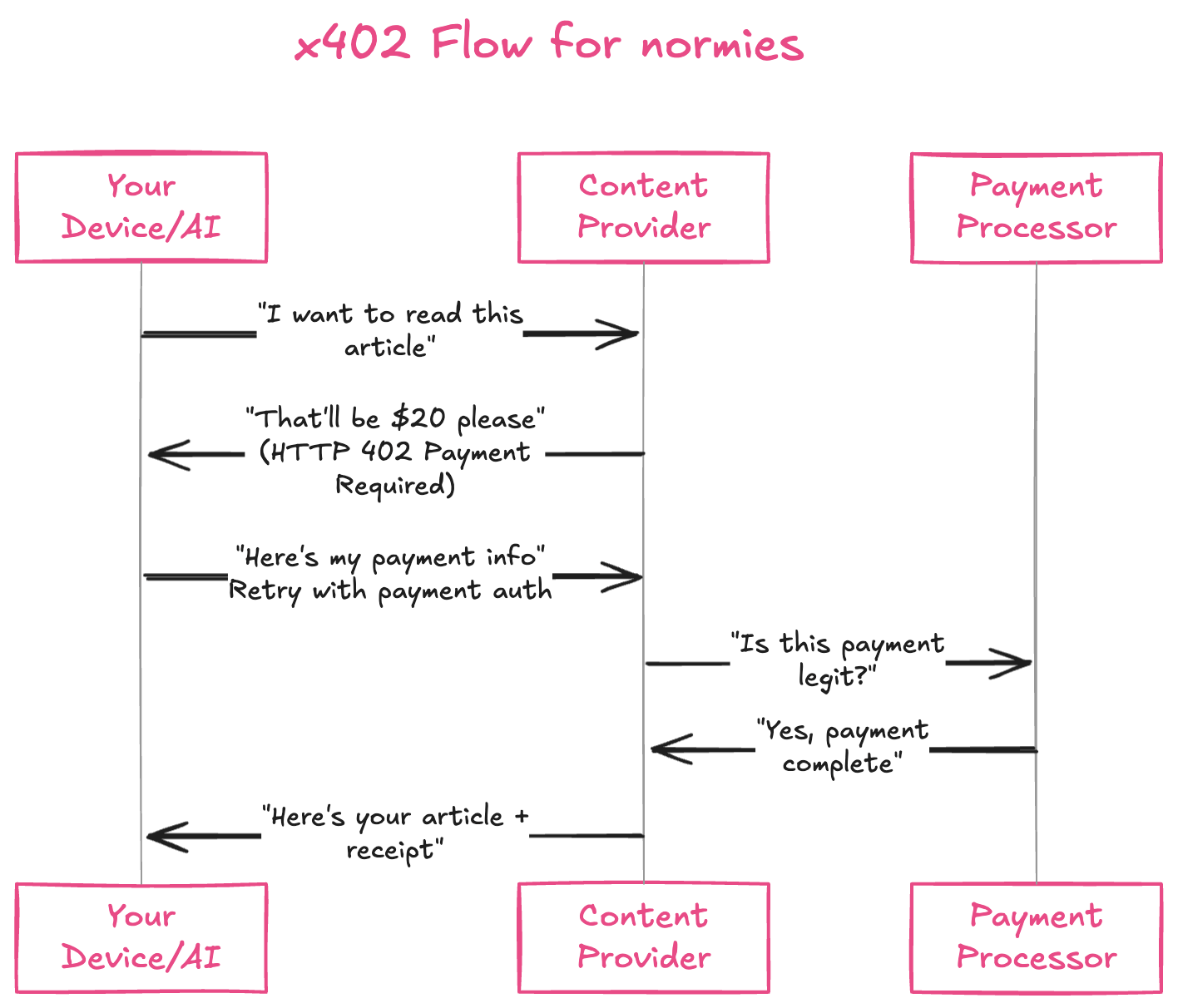
When an AI agent attempts to access a restricted resource, the server responds with an HTTP 402 status. This response includes the payment amount, currency, and destination address. The agent then executes a transaction, typically using a stablecoin or cryptocurrency, and provides proof of payment to access the data or service. This process enables micropayments that are too small for traditional banking fees but viable for automated systems.
For tax purposes, this distinction is critical. The IRS treats cryptocurrency as property. Therefore, transactions facilitated by x402 are generally subject to capital gains rules, similar to other crypto exchanges. Understanding that x402 is a communication layer for value transfer, rather than a new type of currency, helps clarify how these automated transactions fit into existing tax frameworks.
IRS Classification of Agent Income
The IRS classifies cryptocurrency as property under Notice 2014-21. Consequently, any income received by an AI agent or its operator via x402 transactions is treated as taxable property income. When an AI agent receives payment for a service, the fair market value of the cryptocurrency at the time of receipt is included in gross income. If the agent holds the asset before converting it to fiat or another cryptocurrency, any subsequent increase in value constitutes a capital gain.
Operators must maintain records of the date, time, and fair market value of each transaction. This includes the specific cryptocurrency used, the amount received, and the corresponding USD value at the moment of receipt. Failure to report these transactions can result in penalties, as the IRS views automated transactions the same as manual ones for tax compliance purposes.
Reporting Requirements for Micropayments
Reporting obligations depend on the role of the entity involved. Platform operators facilitating x402 transactions may be subject to Form 1099-K reporting requirements if they meet certain volume and transaction count thresholds, as outlined in IRS guidance for third-party settlement organizations. Individual AI agents acting as independent contractors must report income on Schedule C (if sole proprietorship) or the appropriate business entity form.
Even if transactions fall below reporting thresholds for platforms, the income remains taxable to the recipient. Agents should aggregate all x402 payments received during the tax year. It is advisable to use accounting software that tracks cryptocurrency transactions in real-time to ensure accurate cost basis and income reporting.
Compliance Timeline for 2026
The rollout of AI 402 tax reporting follows a phased approach as protocols mature and regulatory frameworks solidify. The following milestones outline the expected path for compliance, based on current IRS guidance and primary protocol documentation.
Early 2026 focuses on standardizing the x402 HTTP status code implementation. The IRS is expected to issue preliminary guidance on how automated agent transactions fit into existing Form 1099 categories. Developers will align payment infrastructures to ensure transaction data is structured for auditability.
By mid-year, specific monetary thresholds for AI agent payments will be defined. Transactions exceeding these limits will trigger mandatory reporting requirements for platform operators. This phase clarifies which automated payments are considered taxable income versus non-reportable microtransactions.
Third-party platforms and AI aggregators will integrate tax reporting modules. This involves embedding transaction metadata directly into payment receipts. The goal is to provide a clear audit trail linking the payer, the agent, and the service rendered, reducing manual reconciliation for users.
Full enforcement begins with the tax filing season. Platforms must submit aggregated data on AI-mediated transactions. Non-compliance penalties will be applied to entities that fail to report payments meeting the established thresholds. This marks the transition from experimental adoption to regulated commerce.
These dates serve as a roadmap for compliance rather than a guarantee. Regulatory bodies may adjust timelines based on technological adoption and market feedback. Monitor official IRS releases for updates to these projected milestones.
Common Questions on AI 402 Taxation
Understanding the mechanics of HTTP 402 and the X402 protocol is essential for navigating agentic commerce. These systems rely on standardized web protocols to handle payments, but their implementation introduces specific compliance and security considerations for both agents and providers.
No comments yet. Be the first to share your thoughts!