x402 Micropayments for AI Agent Inferences: Instant Per-Call Billing on Solana

Imagine AI agents zipping across the web, autonomously negotiating access to APIs and data feeds, paying precisely for each inference without a human in sight. That’s the promise of x402 micropayments on Solana, where SOL hovers at $85.89 amid a 24-hour gain of and $5.03. This isn’t just another payment gimmick; it’s a fundamental shift in AI inference billing, harnessing the HTTP 402 status code to demand payment before delivering compute-intensive responses. Developers and API providers stand to gain from frictionless pay-per-call AI API models, sidestepping subscriptions and unlocking granular monetization.

Solana’s blistering transaction speeds, often under 400 milliseconds, make it the ideal backbone for this. Platforms like RelAI and Nory are already weaving x402 into marketplaces that span Solana, Base, and Ethereum, charging as little as $0.001 per call. No processor fees, no accounts, just pure, on-chain verification. From GitHub repos like mitgajera/x402-ai to Solana’s own guides, the ecosystem buzzes with practical implementations for multi-LLM gateways and agentic workflows.
The Mechanics of HTTP 402 Payments on Solana
At its core, x402 revives a dormant HTTP standard: 402 Payment Required. When an AI agent hits your endpoint, the server responds with this code, embedding payment instructions in headers. The agent then bundles a Solana transaction – say, a fraction of a cent in SOL – and retries the request. Your minimal verifier checks the on-chain settlement in real-time. Solana’s low fees and speed turn what could be clunky into instantaneous.
Take a simple flow: an agent queries a vision model for image analysis. Pre-x402, you’d wrangle API keys or flat-rate subs. Now, it pays per pixel processed, verified trustlessly. Sources like Allium. so highlight how this internet-native protocol empowers autonomous agents, while thirdweb demos show agents hitting APIs with a single cent, no signup needed. I see this as conservative gold for builders – predictable revenue tied directly to usage, mirroring value investing principles where cash flows justify valuations.

Why Solana Excels for Per-Inference Micropay
Solana isn’t chosen by accident. With SOL at $85.89, its market resilience – up from a 24-hour low of $80.66 – underscores reliability for high-volume workloads. Traditional rails like Stripe crumble under micropay volumes due to fees; blockchains fix that. x402 on Solana supports 402 protocol AI flows where agents pay in native SOL or wrapped variants, settling before the inference even queues.
RelAI’s no-cut model shines here: charge $0.001 without intermediaries skimming. GitHub projects demonstrate Solana-powered gateways bundling payments for GPT, Grok, or DALL-E calls. Reddit threads detail Claude plugins using USDC on Base, but Solana’s edge in throughput makes it king for Solana AI agents. Platforms like Nory integrate with 13 and frameworks, letting devs plug in x402 effortlessly. This scalability addresses AI’s cost explosion – why subsidize idle capacity when agents pay on-demand?
Solana (SOL) Price Prediction 2027-2032
Forecasting trends from current $85.89 level amid x402 micropayments adoption for AI agent inferences on Solana
| Year | Minimum Price | Average Price | Maximum Price | YoY % Change (Avg) |
|---|---|---|---|---|
| 2027 | $75 | $140 | $250 | +63% |
| 2028 | $100 | $220 | $450 | +57% |
| 2029 | $150 | $350 | $700 | +59% |
| 2030 | $200 | $500 | $1,000 | +43% |
| 2031 | $300 | $750 | $1,500 | +50% |
| 2032 | $400 | $1,100 | $2,200 | +47% |
Price Prediction Summary
Solana’s integration with x402 protocol for instant AI micropayments positions it for strong growth, with average prices potentially exceeding $1,000 by 2032 in bullish markets, driven by AI adoption and Solana’s scalability advantages. Bearish mins account for market cycles.
Key Factors Affecting Solana Price
- x402 protocol boosting Solana’s utility in AI agent economy with sub-400ms settlements
- High throughput and low fees making Solana ideal for micropayments vs. competitors
- Crypto market cycles, with bull runs post-2026 halving influences
- Regulatory developments favoring DeFi and AI integrations
- Technological upgrades like Firedancer enhancing network performance
- Competition from Ethereum L2s and emerging L1s, alongside overall market cap expansion
Disclaimer: Cryptocurrency price predictions are speculative and based on current market analysis.
Actual prices may vary significantly due to market volatility, regulatory changes, and other factors.
Always do your own research before making investment decisions.
Real-World Wins in AI Agent Monetization
Providers are cashing in. YouTube breakdowns from thirdweb illustrate agents bypassing signups, injecting cents directly. Ledger frames x402 as a decentralized rail for web services, fueling agent economies. Medium pieces by Jung-Hua Liu position it as an open standard embedding payments into the web’s fabric. For inference-heavy ops, this means revenue scales linearly with demand, not hype cycles.
Consider a multi-LLM gateway: each request triggers an on-chain micropay, verified server-side. No more freeloading bots or overprovisioning. Solana guides walk through building these with minimal code – a verifier script pings the blockchain, greenlights on confirmation. At $85.89, SOL’s affordability amplifies this; a million inferences at 0.0001 SOL each costs peanuts yet generates steady yield. My take? This protocol matures AI markets, weeding out unsustainable models for those delivering verifiable value.
Simplescraper’s complete guide underscores the simplicity: spin up pay-as-you-go endpoints in hours, not weeks. This democratizes per-inference micropay, letting indie devs compete with giants. I’ve analyzed countless fintech plays, and x402’s on-chain purity echoes the best blue-chip traits – low volatility in execution, high yield potential as agent adoption surges.
Step-by-Step: Implementing x402 on Solana
Getting hands-on is straightforward, thanks to Solana’s docs and open-source repos. Start with a server that intercepts requests. On 402 response, expose payment details: recipient address, amount in lamports (SOL subunits), and a nonce for idempotency. Agents craft a transfer instruction via Solana RPC, sign, and resubmit. Your verifier queries recent blocks for the tx signature.
Build Instant x402 Micropayments on Solana: Simple 402 Flow Guide
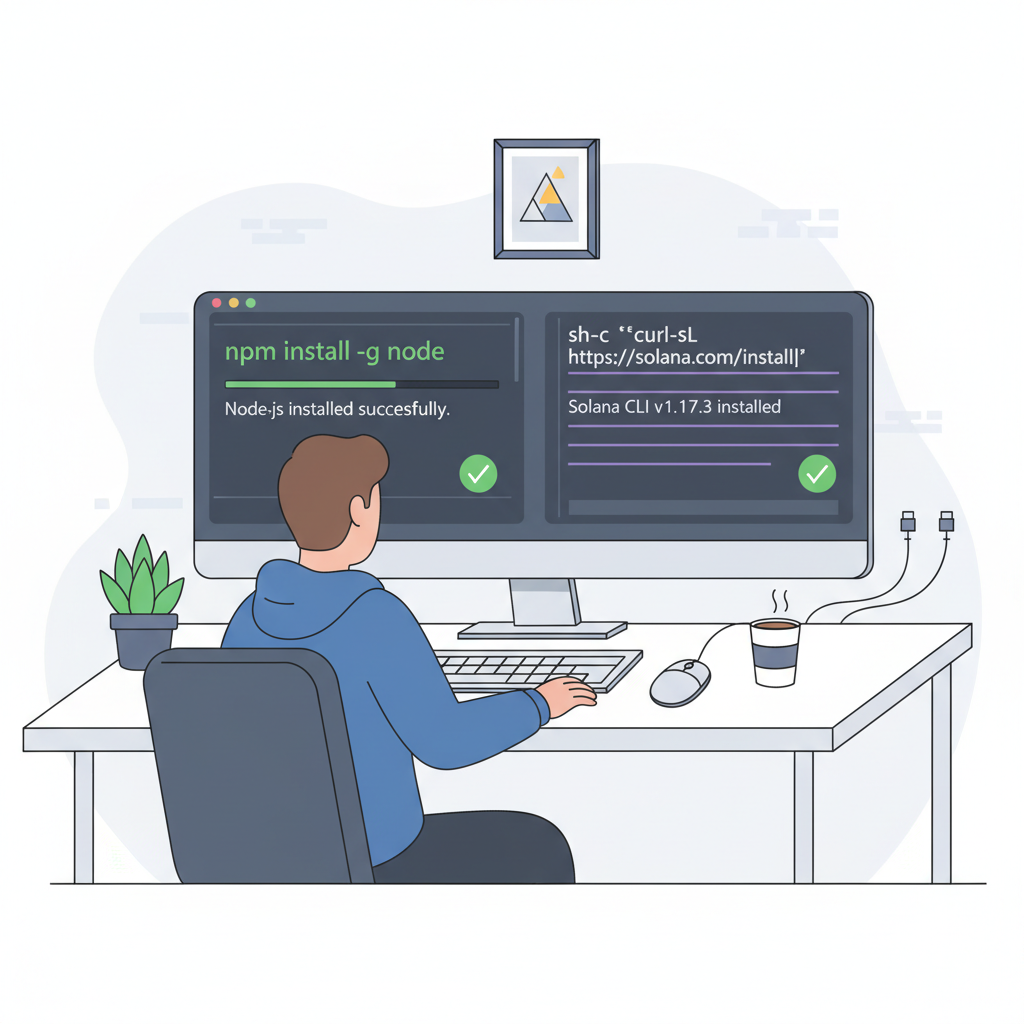
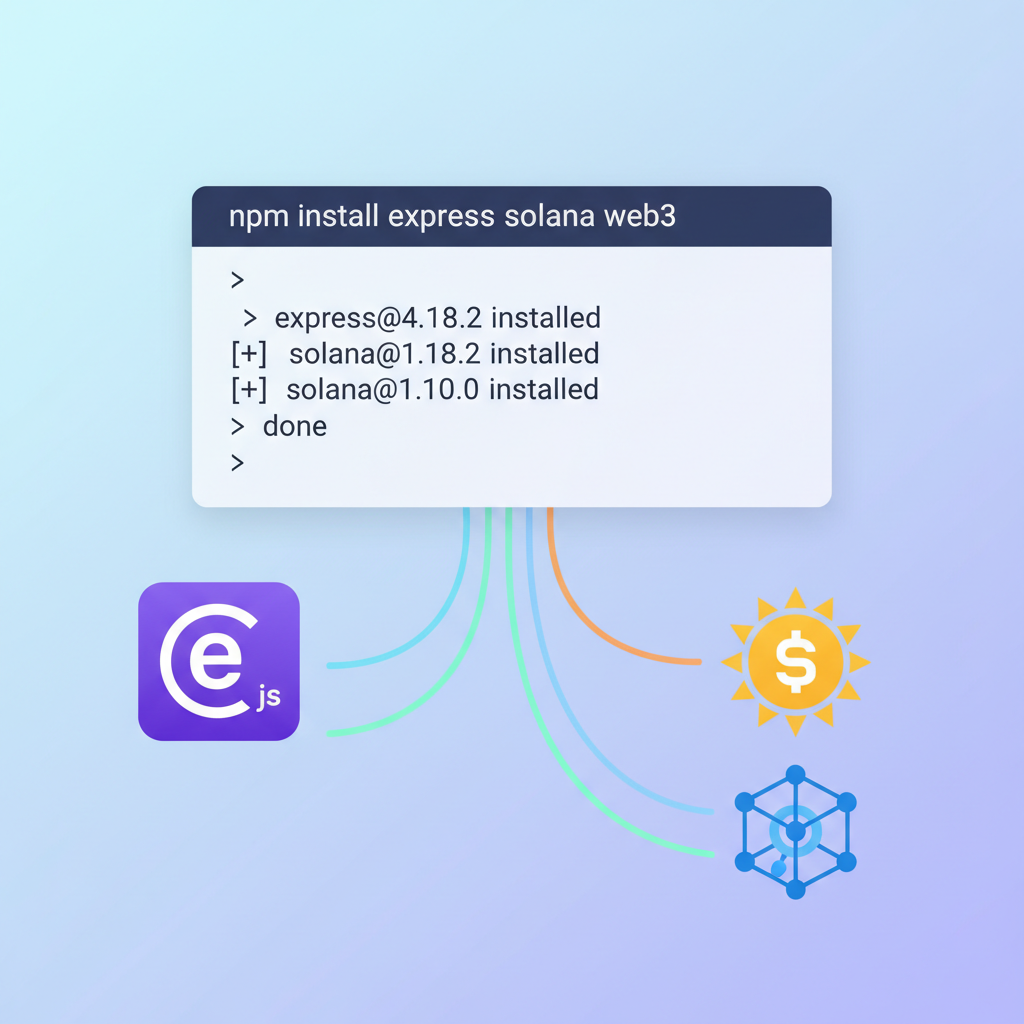
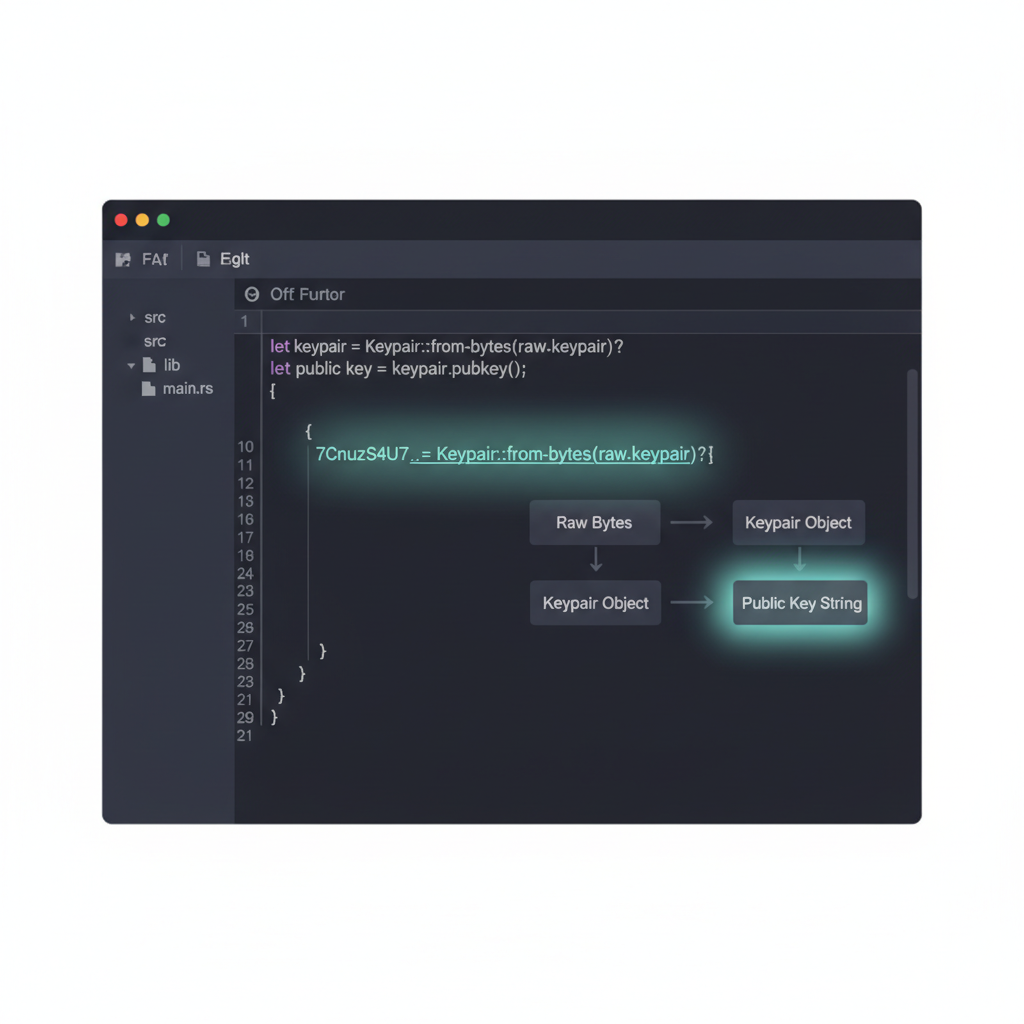
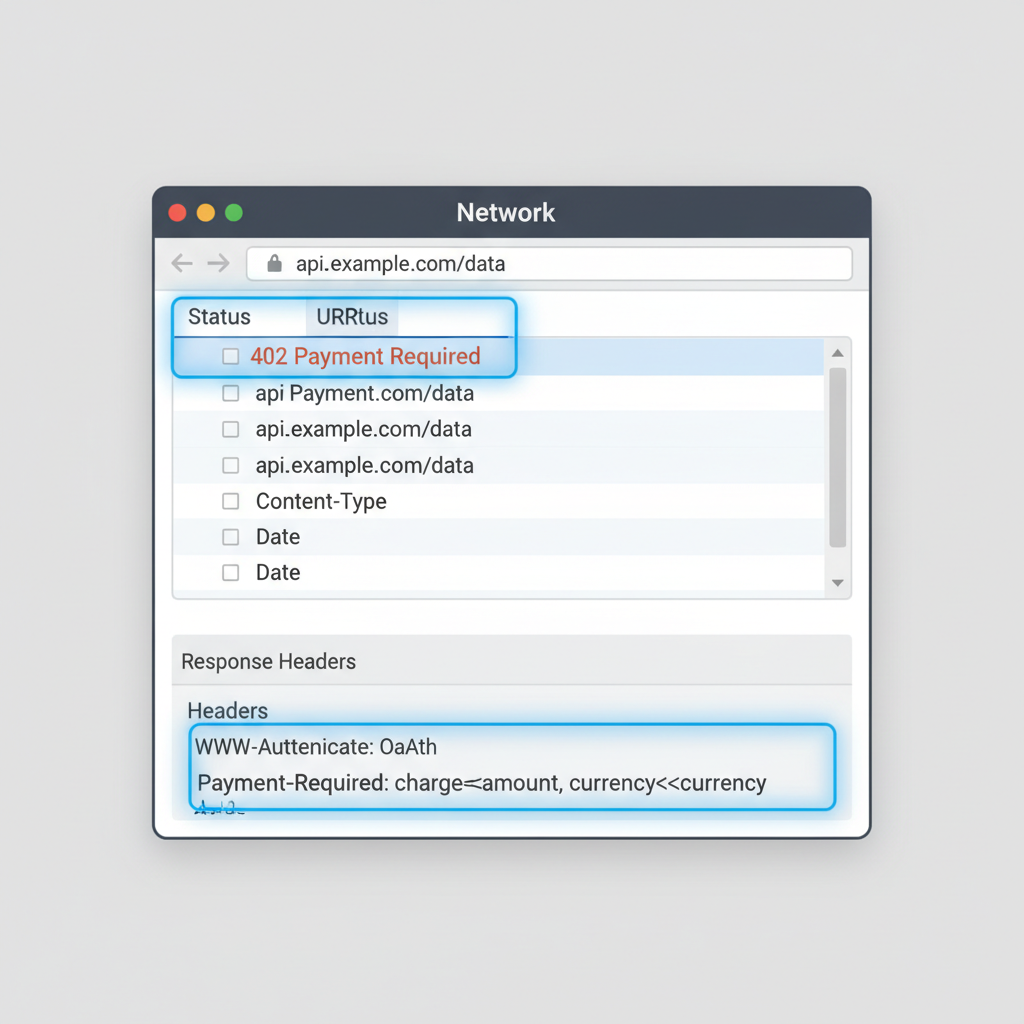
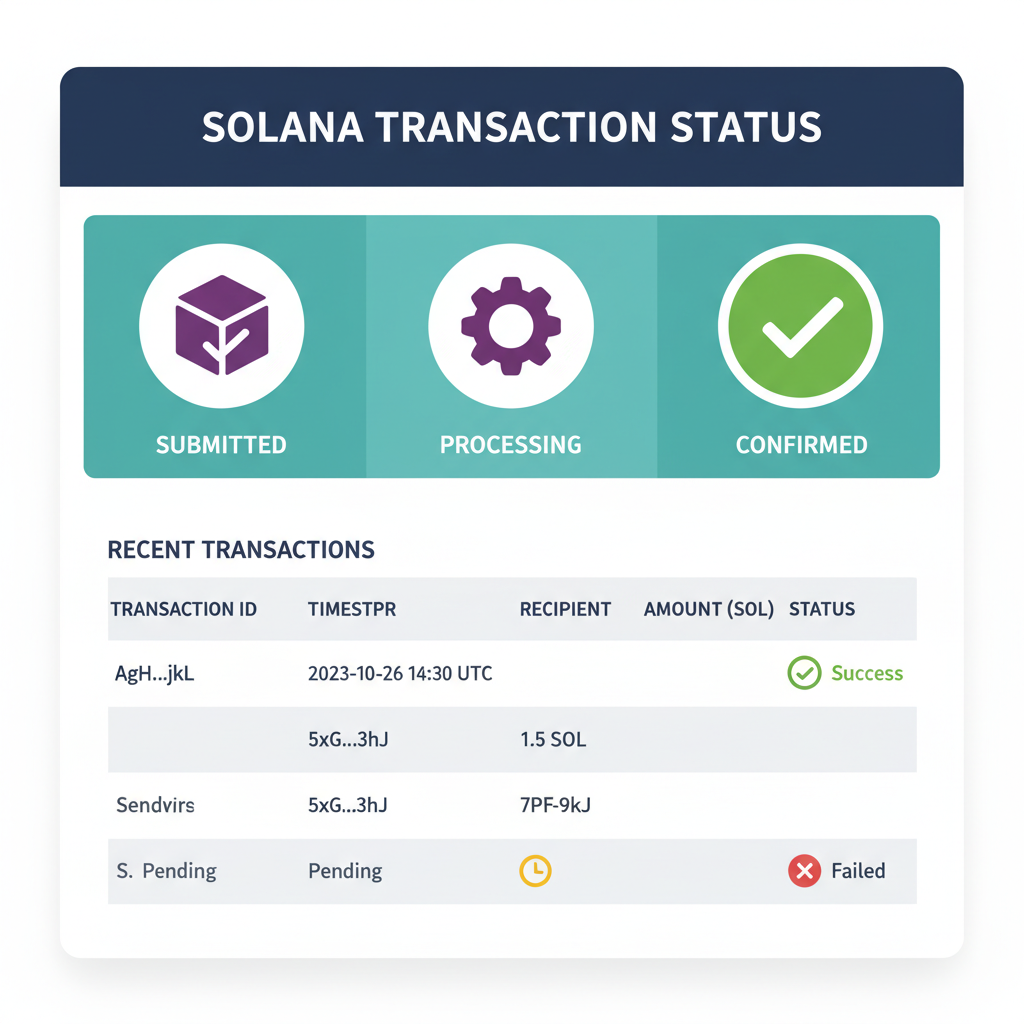
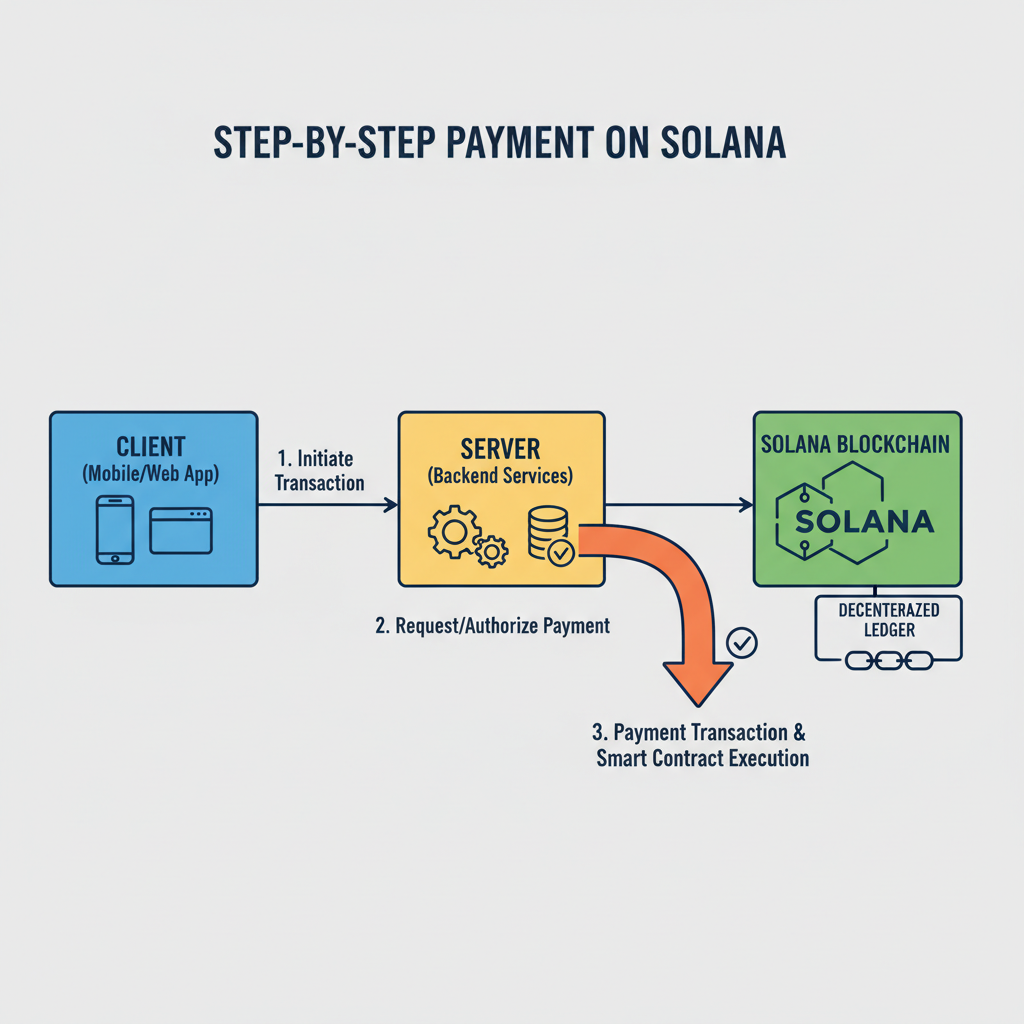

This flow shines in production. For AI inference, gate endpoints behind it – vision models, text gen, embeddings all monetized granularly. At SOL’s current $85.89 price, with a 24-hour uptick of and $5.03 to a high of $88.52, transaction costs stay negligible, even at scale. Nory’s toolkit bridges 13 frameworks, from LangChain to AutoGPT, embedding x402 natively.
Minimal Node.js x402 Verifier: On-Chain SOL Micropayment Check
This Node.js snippet provides a minimal x402 verifier for Solana-based micropayments, suitable for per-call billing of AI agent inferences. It uses Express.js to handle HTTP requests and @solana/web3.js to query the Solana blockchain.
**Prerequisites:**
“`bash
npm init -y
npm install express @solana/web3.js
“`
**How it works:** The client sends a Solana transaction signature in the `X-Payment-Signature` header. The verifier confirms the transaction, checks for success, and scans balance changes to ensure the recipient received at least 0.001 SOL. Replace `RECIPIENT_PUBKEY` with your wallet address and adjust `RPC_ENDPOINT` for mainnet.
const express = require('express');
const { Connection, PublicKey, LAMPORTS_PER_SOL } = require('@solana/web3.js');

const app = express();
app.use(express.json());

const RPC_ENDPOINT = 'https://api.devnet.solana.com'; // Use devnet for testing
const connection = new Connection(RPC_ENDPOINT, 'confirmed');

const RECIPIENT_PUBKEY = new PublicKey('YourRecipientPublicKeyHereReplaceMe'); // Replace with your Solana wallet public key
const MIN_PAYMENT_LAMPORTS = 0.001 * LAMPORTS_PER_SOL; // Minimum 0.001 SOL

// x402 Payment Verification Middleware
const verifyPayment = async (req, res, next) => {
  const signature = req.get('X-Payment-Signature');
  if (!signature) {
    res.set('WWW-Authenticate', 'x402');
    return res.status(402).json({ error: 'Payment Required' });
  }

  try {
    // Check transaction status
const sigStatus = await connection.getSignatureStatuses([signature]);
    const status = sigStatus.value[0];
    if (!status || status.confirmationStatus !== 'confirmed') {
      return res.status(402).json({ error: 'Payment not confirmed on-chain' });
    }

    // Fetch transaction details
    const tx = await connection.getTransaction(signature, {
      commitment: 'confirmed',
      maxSupportedTransactionVersion: 0
    });

    if (!tx || tx.meta?.err !== null) {
      return res.status(402).json({ error: 'Invalid or failed transaction' });
    }

    // Verify payment by checking balance changes for recipient
    const accountKeys = tx.transaction.message.accountKeys;
    let paymentVerified = false;
    for (let i = 0; i < accountKeys.length; i++) {
      try {
        const accountPk = new PublicKey(accountKeys[i]);
        if (accountPk.equals(RECIPIENT_PUBKEY)) {
          const received = (tx.meta.postBalances[i] || 0) - (tx.meta.preBalances[i] || 0);
          if (received >= MIN_PAYMENT_LAMPORTS) {
            paymentVerified = true;
            req.paymentDetails = { signature, received: received / LAMPORTS_PER_SOL };
            break;
          }
        }
      } catch (e) {
        // Skip invalid keys
      }
    }

    if (!paymentVerified) {
      return res.status(402).json({ error: 'Insufficient payment to recipient' });
    }

    next();
  } catch (error) {
    console.error('Payment verification error:', error);
    res.status(402).json({ error: 'Payment verification failed' });
  }
};

// Protected AI Inference Endpoint
app.get('/api/inference', verifyPayment, (req, res) => {
  // Simulate AI inference (replace with actual logic)
  res.json({
    result: 'AI agent inference response',
    payment: req.paymentDetails
  });
});

app.listen(3000, () => {
  console.log('x402 Micropayment Verifier running on http://localhost:3000');
});
**Key analytical points:**
– **On-chain verification** ensures trustless, instant confirmation without off-chain oracles.
– **Balance diff check** is efficient and general-purpose, capturing net SOL received even in complex transactions.
– **Error handling** covers common failure modes like unconfirmed txs or insufficient funds.
**Educational extensions:**
– Prevent replays by requiring a per-request nonce in tx memos.
– Use `getParsedTransaction` for instruction-level parsing (e.g., confirm SystemProgram.transfer).
– Scale with a clustered RPC or Helius/Dashboard for high TPS.
– For production, add logging, caching, and fee estimation support.
That snippet captures the essence: poll Solana for confirmation, then proxy the inference. GitHub’s x402-ai repo expands this into full gateways, routing to multiple LLMs with bundled pays. Reddit devs share Claude integrations paying USDC, but Solana’s native SOL support cuts bridging hassles.
Ecosystem Momentum and Investment Angle
RelAI’s marketplace lists x402-ready APIs across chains, but Solana leads in speed. Charge $0.001 per call, pocket full value – no Visa-like vig. Ledger positions it as the internet’s payment spine, autonomous and relentless. With Binance-Peg SOL steady at $85.89 after dipping to $80.66, the network proves battle-tested for AI’s torrent.
Thirdweb x402 Example: Accountless AI Inference Payments on Solana
Thirdweb’s x402 implementation leverages Solana’s efficiency for micropayments, allowing AI agents to pay per-inference call without managing personal accounts. This is achieved via a paymaster contract that handles deposits and settlements atomically with API fulfillment. The following JavaScript example demonstrates the full flow: payment preparation, API invocation, and verification.
// Example using Thirdweb SDK v5 for Solana x402 micropayments
// npm install @thirdweb-dev/sdk @thirdweb-dev/wallets

import { createThirdwebClient } from "thirdweb";
import { getContract, prepareContractCall } from "thirdweb/extensions";
import { solana } from "thirdweb/chains";

const client = createThirdwebClient({ clientId: "YOUR_THIRDWEB_CLIENT_ID" });

const PAYMASTER_ADDRESS = "0x..."; // Deployed x402 paymaster contract

const API_ENDPOINT = "https://inference-api.example.com/v1/completions";

async function aiInferenceCall(prompt) {
  // Retrieve the paymaster contract for accountless payments
  const paymaster = await getContract({
    client,
    chain: solana,
    address: PAYMASTER_ADDRESS,
  });

  // Estimate and prepare micropayment (~0.001 SOL or cents equivalent)
  const { request } = await prepareContractCall({
    contract: paymaster,
    method: "function deposit(uint256 amount)",
    params: [1000000n], // 0.001 SOL in lamports
  });

  // Execute payment preparation (off-chain sig for x402)
  const paymentRequest = await client.walletClient.sendRequest(request);

  // Invoke x402-protected API with payment token
  const response = await fetch(API_ENDPOINT, {
    method: "POST",
    headers: {
      "Content-Type": "application/json",
      "X-402-Payment-Token": paymentRequest.hash,
    },
    body: JSON.stringify({
      model: "gpt-like-model",
      prompt,
      max_tokens: 150,
    }),
  });

  if (!response.ok) {
    if (response.status === 402) {
      throw new Error("Payment required or invalid");
    }
    throw new Error(`API error: ${response.statusText}`);
  }

  // Paymaster settles on-chain post-fulfillment
  await paymaster.executeFulfillment(paymentRequest.hash);

  return await response.json();
}

// AI agent usage
(async () => {
  try {
    const result = await aiInferenceCall("Summarize blockchain micropayments.");
    console.log("Inference result:", result);
  } catch (error) {
    console.error("Call failed:", error.message);
  }
})();
This pattern ensures payers only pay for successful responses, with Solana’s sub-second finality enabling real-time billing. Analytically, the paymaster reduces UX friction by abstracting wallet ops, while the X-402-Token header integrates seamlessly with HTTP standards. Customize the paymaster address and client ID via your Thirdweb dashboard for production use.
Thirdweb’s demo nails the vision: agents hammer APIs, payments flow unseen. Medium’s Jung-Hua Liu calls it web-native evolution, baking payments into HTTP. For investors like me, this screams sustainable moats. API providers earn recurring, usage-tied revenue – akin to dividend aristocrats compounding quietly. No more betting on moonshots; x402 aligns incentives with delivered compute.
Challenges linger, sure. Wallet management for agents demands robust key rotation, and oracle dependencies for fiat pegs add nuance. Yet Solana’s throughput – thousands of TPS – absorbs it. Platforms evolve fast: Allium. so pushes pure HTTP micropays, Solana guides iterate verifiers. As SOL holds $85.89, builders flock, inflating network effects.
| Feature | x402 on Solana | Traditional Billing |
|---|---|---|
| Settlement Time | and lt;400ms | Days |
| Min Charge | $0.001 | $0.30 and |
| Fees | On-chain only | 2-5% |
| Automation | Agent-native | Manual keys |
This table distills the edge. Providers scale to millions of inferences daily, revenue mirroring SOL’s resilience. My portfolio lens? Stake in x402 enablers – Solana ecosystem tokens, RelAI wrappers – for that patient yield. Agents won’t wait; they’ll pay to play.
Frictionless billing unlocks AI’s true economy, where value transacts at light speed. Dive into Solana’s starter guide, fork a GitHub repo, and deploy. At $85.89, the timing feels right – steady ascent rewards the prepared.