x402 Protocol for Micropay-Per-Inference AI API Billing Without Subscriptions

The AI economy is exploding, but billing models haven’t kept pace. Subscriptions force developers into rigid commitments that don’t match the bursty nature of inference workloads, while API keys create friction and security headaches. That’s where the x402 protocol steps in, transforming HTTP 402 micropayments into a seamless reality for pay per inference AI API access. This open standard lets AI agents pay instantly with stablecoins like USDC, no accounts or subscriptions required, unlocking true granular control over costs.


Imagine an AI agent querying a model for image generation: it sends a request, gets a 402 response with payment details, settles via blockchain in milliseconds, then receives the inference. This 402 payment protocol for AI isn’t just theoretical; it’s live on chains like Solana, Sei, and Base, powering everything from data APIs to edge compute.
Decoding the x402 Mechanics for Metered AI Billing
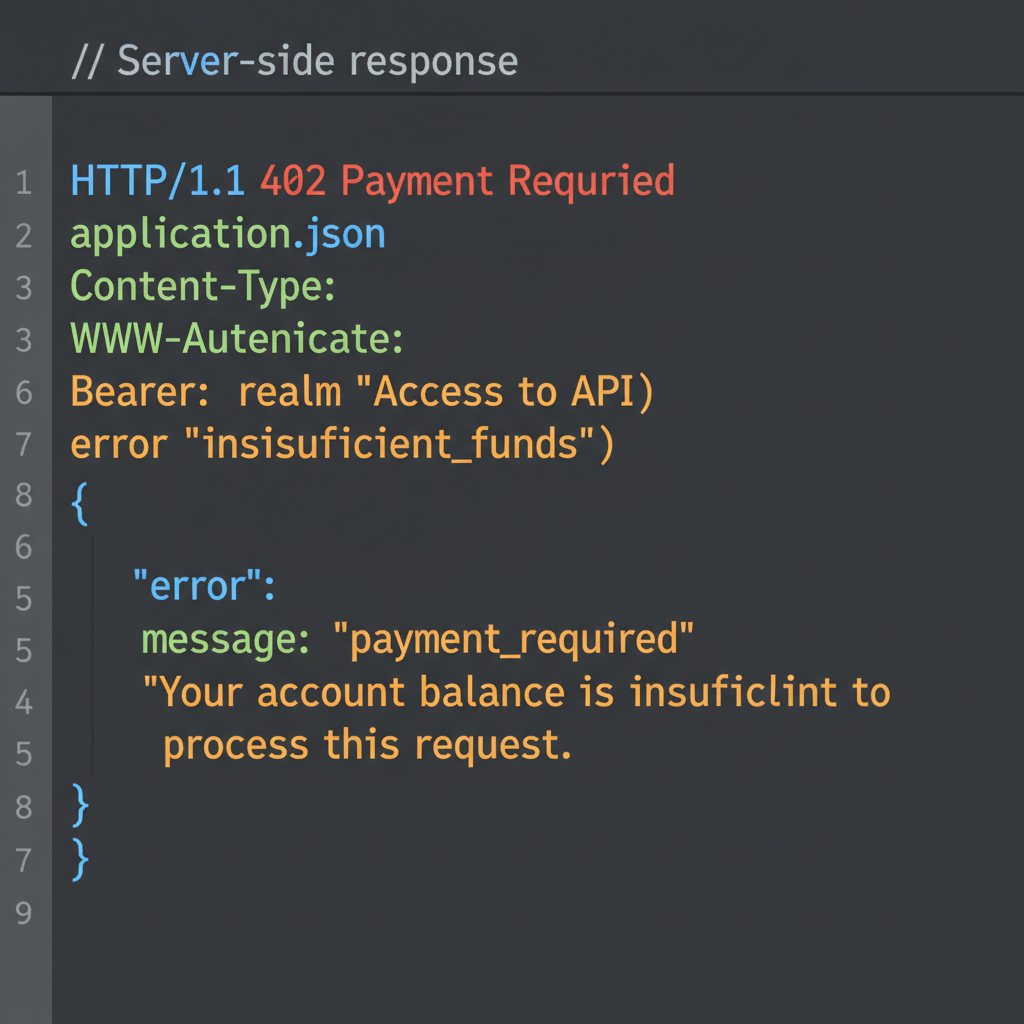
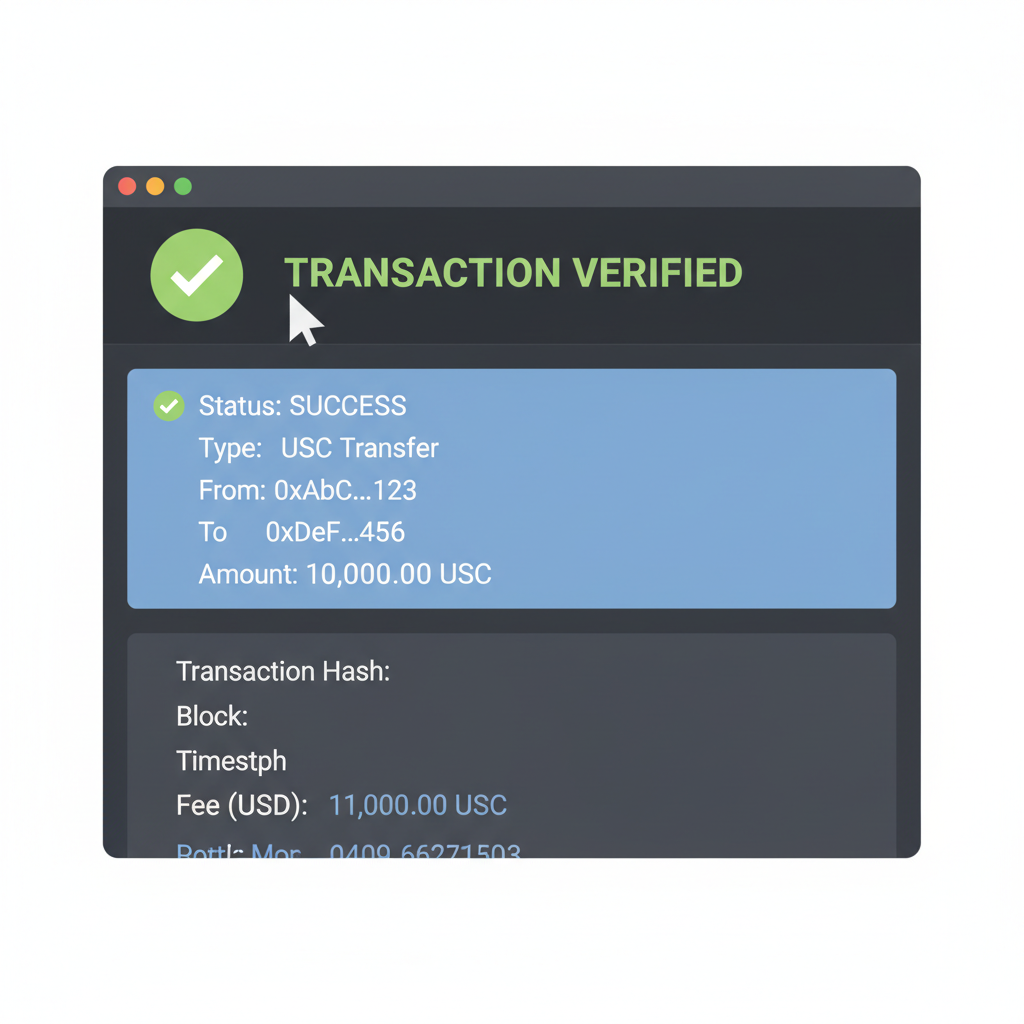
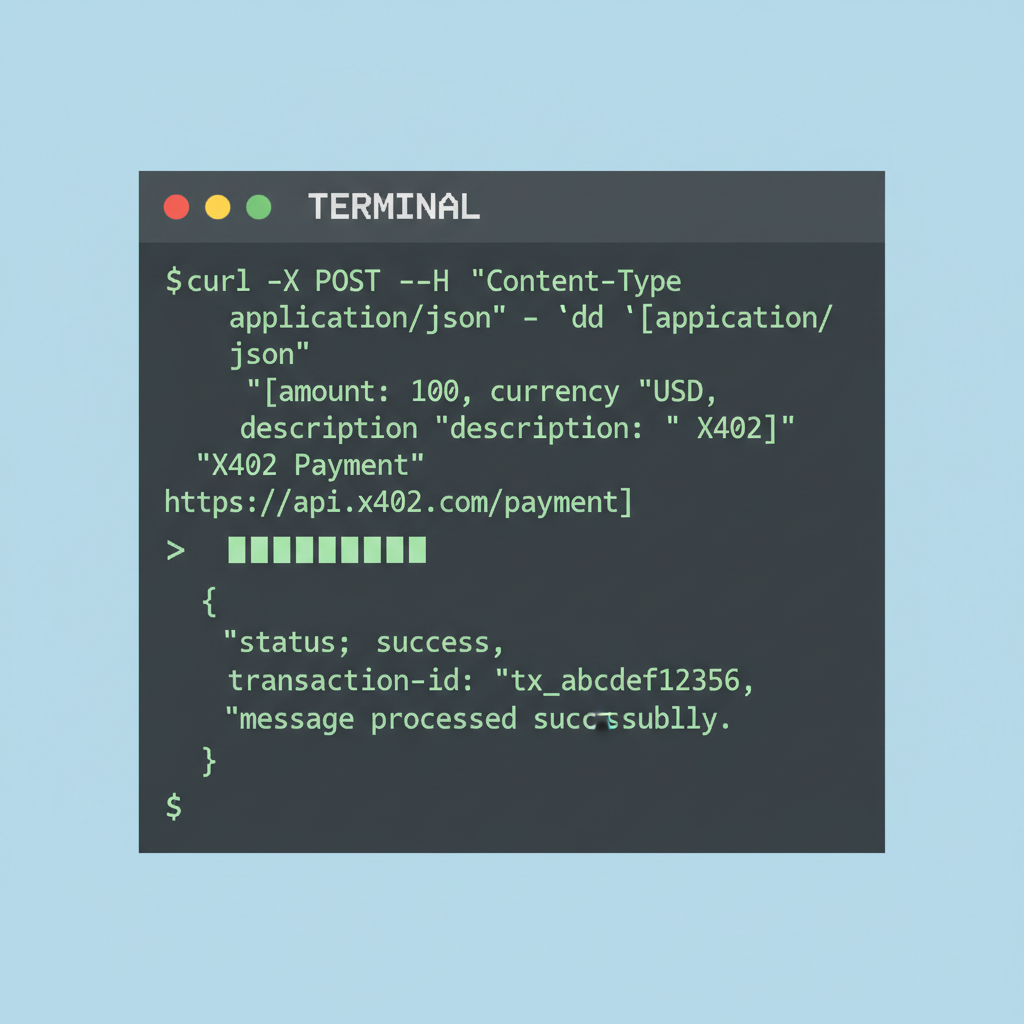
At its core, x402 extends HTTP minimally. A client hits an endpoint, the server replies with 402: Payment Required, including a payment URL, amount, and token details in headers. The client posts the payment transaction ID to that URL, and upon verification, the original request proceeds. This dance happens natively over HTTP, sidestepping clunky web3 wallets or centralized gateways.
For metered billing AI APIs, this means providers can charge fractions of a cent per token or inference, settling in USDC for stability. No more overpaying for unused capacity. Platforms like Router402 demonstrate this by routing calls to models from OpenAI to Llama, each triggering a micropayment on Base. It’s opinionated engineering: why tolerate subscription bloat when HTTP was designed for payments all along?
Why x402 Outshines Legacy Models in AI Monetization
Subscriptions breed inefficiency; users provision for peaks but waste on troughs. Prepaid credits expire unused. x402 flips this with AI agent micropayments, aligning revenue precisely with value delivered. Developers gain scalability: spin up agents without budgeting for fixed fees. Providers capture every marginal use case, from one-off queries to massive fleets.
Core x402 Advantages
-

Instant Onboarding Without API Keys: Uses HTTP 402 ‘Payment Required’ for no-account-setup access, as in FinAegis and Edgevana services.
-
Ultra-Low Friction for AI Agents: Enables autonomous per-request payments, eliminating human intervention for agents on platforms like Router402 and MCPay.
-

Stablecoin Settlements for Predictability: USDC micropayments provide USD-pegged stability without volatility, used by Interzoid and Minara AI.
-
Scalable Granular Monetization: Pay-per-inference billing scales micropayments for AI APIs, no subscriptions needed, via PayAI and x402mail.
Consider the economics. An inference costing $0.001 settles for pennies in gas fees on efficient chains. This democratizes access: hobbyists pay for a single call, enterprises meter fleets transparently. I’ve seen similar shifts in fintech; protocols that embed payments natively accelerate adoption exponentially.
Trailblazing Platforms Embracing x402 Today
FinAegis pioneers HTTP-native micropayments, letting clients hit APIs per request sans subscriptions. Edgevana applies it to global edge networks, billing AI inference at the edge with USDC. PayAI facilitates across apps, while Interzoid offers data quality APIs payable per call on Base. These aren’t outliers; they’re proof of x402’s momentum.
x402mail charges per email sent, MCPay layers it onto Model Context Protocol servers, and Minara AI gates its endpoints purely on usage. Each adoption reinforces the protocol’s versatility, from niche tools to infrastructure. As chains optimize further, expect fees to plummet, making sub-cent pay per inference ubiquitous.
This protocol isn’t hype; it’s the plumbing for an agentic future where AI pays its own way, fostering sustainable growth in a trillion-dollar market.
Router402 stands out by creating an AI gateway where every call to models like those from Grok or Mistral triggers a USDC micropayment on Base, embodying true pay per inference AI API access. Meanwhile, MCPay’s open-source tools let any Model Context Protocol server accept on-chain payments effortlessly, bridging AI frameworks with blockchain rails.
These implementations reveal x402’s adaptability, but the real power lies in its developer-friendly integration. Forget wrestling with SDKs or third-party processors; x402 leverages HTTP’s payment intent, long reserved in the spec, to make billing as simple as a status code.
Hands-On: Integrating x402 for Granular AI Monetization
To roll out HTTP 402 micropayments on your API, start by configuring your server to respond with 402 on protected endpoints. Include headers like X-Payment-URL, X-Payment-Amount, and X-Payment-Token for the stablecoin details. Clients, whether custom agents or libraries, detect the 402, execute the payment via their wallet or proxy, then retry with the proof.
Node.js (Express.js) Sample: Sending x402 402 Response Headers
To enforce micropay-per-inference billing via the x402 protocol in a Node.js server, respond with HTTP 402 (Payment Required) and include protocol-specific headers. This example uses Express.js and assumes a `hasValidPayment` helper function for validation:
// Example in an Express.js route handler for an AI inference endpoint

app.post('/api/inference', (req, res) => {
  // Simulate payment check failure
  if (!hasValidPayment(req)) {
    res.status(402)
      .set({
        'X402-PayTo': 'payto://merchant.example.com/x402/invoice/abc123?amount=0.001¤cy=USD&inference-id=xyz789',
        'X402-Invoice': 'https://merchant.example.com/invoices/abc123',
        'X402-Cost': '0.001 USD',
        'Retry-After': '1'  // Optional: suggest retry after payment
      })
      .end();
    return;
  }
  // Proceed with inference...
});
The `X402-PayTo` header uses the standardized ‘payto’ URI scheme to specify the exact micropayment details, enabling seamless client-side payment flows. `X402-Invoice` provides a link for human-readable details, and `X402-Cost` declares the fee analytically. This design avoids subscriptions by gating each inference behind a tiny, per-request payment.
Libraries are emerging to abstract this: PayAI’s SDK handles the payment loop, while FinAegis offers drop-in middleware. For AI providers, this means metering by tokens processed or compute seconds, settling in USDC for forex predictability. I’ve analyzed countless fintech protocols; x402’s minimalism mirrors the elegance of early TCP/IP extensions, poised for ubiquity.
Quickstart: Integrate x402 Micropayments into Your AI Inference Endpoint


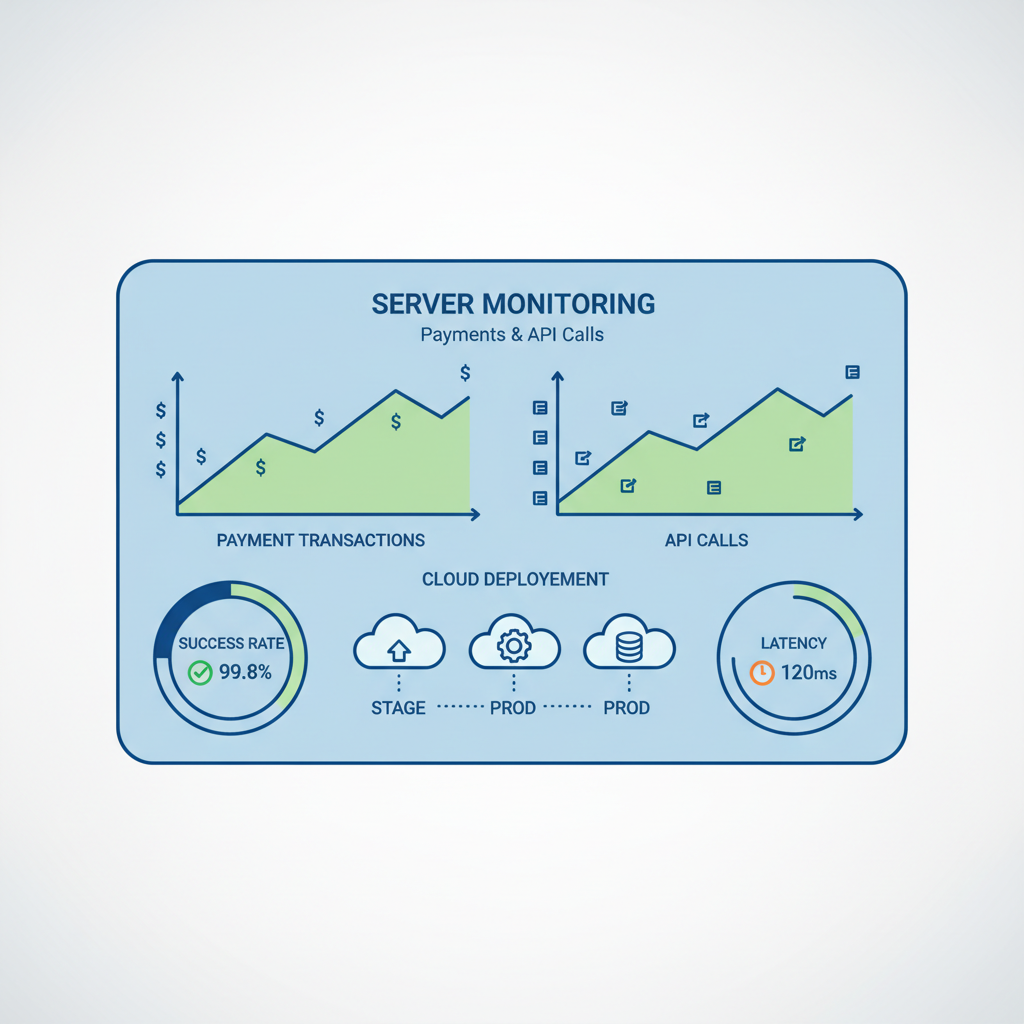
Challenges remain, like chain congestion during peaks, but Layer 2s like Base and Sei keep fees under a cent. As rollups mature, x402 could underpin a pay-per-byte internet, from LLMs to vector stores.
Economic Underpinnings: Why x402 Fuels Sustainable AI Growth
From an investment lens, metered billing AI APIs via x402 address the AI sector’s profitability woes. Models commoditize rapidly, margins erode, yet usage skyrockets. Subscriptions mask true costs; x402 exposes them, incentivizing efficiency. Providers monetize tail demand, agents optimize spends dynamically.
Subscription vs. x402 Billing Comparison
| Aspect | Subscription Model | x402 Billing |
|---|---|---|
| Cost Predictability | High: Fixed fees regardless of usage 📅 | Variable: Pay only for actual inferences 💰 |
| Scalability | Limited by plan tiers; overpay for low-volume use 📉 | Unlimited: Auto-scales with demand, no caps 🚀 |
| Developer Friction | High: Accounts, API keys, billing setup required 🔑 | Low: Instant onboarding, no keys or subs needed ⚡ |
| Revenue Capture | Predictable revenue but misses low-volume users 💸 | Maximized: Per-inference payments, no free rides 🎯 |
Diversification thrives here: allocate across x402-powered services like Minara AI for niche models or Edgevana for low-latency inference. Patience pays dividends, as early adopters like Interzoid demonstrate sticky revenue from per-call data enrichment. This isn’t speculative froth; it’s fundamental value accrual in AI infrastructure.
Platforms embracing 402 payment protocol AI today position themselves at the vanguard. AI402Pay. com exemplifies this, delivering premier micropay-per-inference billing optimized for high-volume workloads. By harnessing x402, it ensures instant transactions, scalability, and precise cost control, empowering developers to thrive without subscription shackles.
The trajectory points to an ecosystem where AI agents roam freely, paying as they compute. x402 isn’t merely a protocol; it’s the economic engine propelling AI toward self-sustaining maturity, rewarding innovators who build on open rails.