
What is AI 402 Pay 2026
The term "AI 402 Pay 2026" often causes confusion because it sits at the intersection of academic course codes and a new internet payment protocol. In universities, AI 402 typically refers to a course on Generative Artificial Intelligence. However, in the context of machine-to-machine commerce, the term points to the x402 protocol, which activates the long-dormant HTTP 402 "Payment Required" status code.
For over thirty years, HTTP 402 sat in internet specifications as a placeholder for future payment systems. It was reserved but never widely implemented because traditional web commerce relied on redirecting users to third-party payment gateways or embedding complex checkout forms. The x402 protocol changes this by allowing servers to return a 402 status code directly to a client—whether that client is a browser or an AI agent—signaling that payment is required before the resource is delivered.
This shift is critical for AI agents. Unlike humans, AI agents cannot click buttons or enter credit card numbers into forms. They require programmatic, standardized ways to exchange value. By using HTTP 402, AI agents can negotiate and pay for data, compute, or services automatically within the same request-response cycle. This turns the web from a document-sharing network into a value-transfer network, enabling true machine-to-machine economies.
The "2026" in the term likely refers to the projected timeline for widespread adoption and standardization of these protocols as AI agents become more autonomous. It represents the next phase of internet infrastructure, where payment is not an interruption to the user experience but a seamless, invisible part of the transaction.
How smart routing reduces transaction failures
The HTTP 402 standard—often confused with the academic course AI 402—is a protocol that allows AI agents to pay for digital services directly. While the course focuses on learning, the x402 payment protocol focuses on execution. It turns the 402 HTTP status code into a machine-readable request for payment. Without intelligent routing, these requests often fail because agents pick the wrong stablecoin or the slowest blockchain network. Smart routing solves this by evaluating multiple variables before the transaction is signed.
Early deployments of intelligent routing algorithms in x402 have shown a 40% reduction in transaction failures compared to static routing methods.
The process begins when an agent receives a 402 response from a service. Instead of blindly trying to pay with the first available wallet, the agent’s local logic engine evaluates the current state of the network. It checks which stablecoins are supported by the merchant, which blockchain is currently processing blocks fastest, and which network has the lowest gas fees at that exact second. This decision tree ensures the payment is both accepted and confirmed quickly.
The agent scans the blockchain landscape for latency and congestion. It identifies which networks, such as Solana or Base, are currently optimal for the specific transaction size. This step prevents the agent from attempting a payment on a congested chain like Ethereum Mainnet during peak hours.
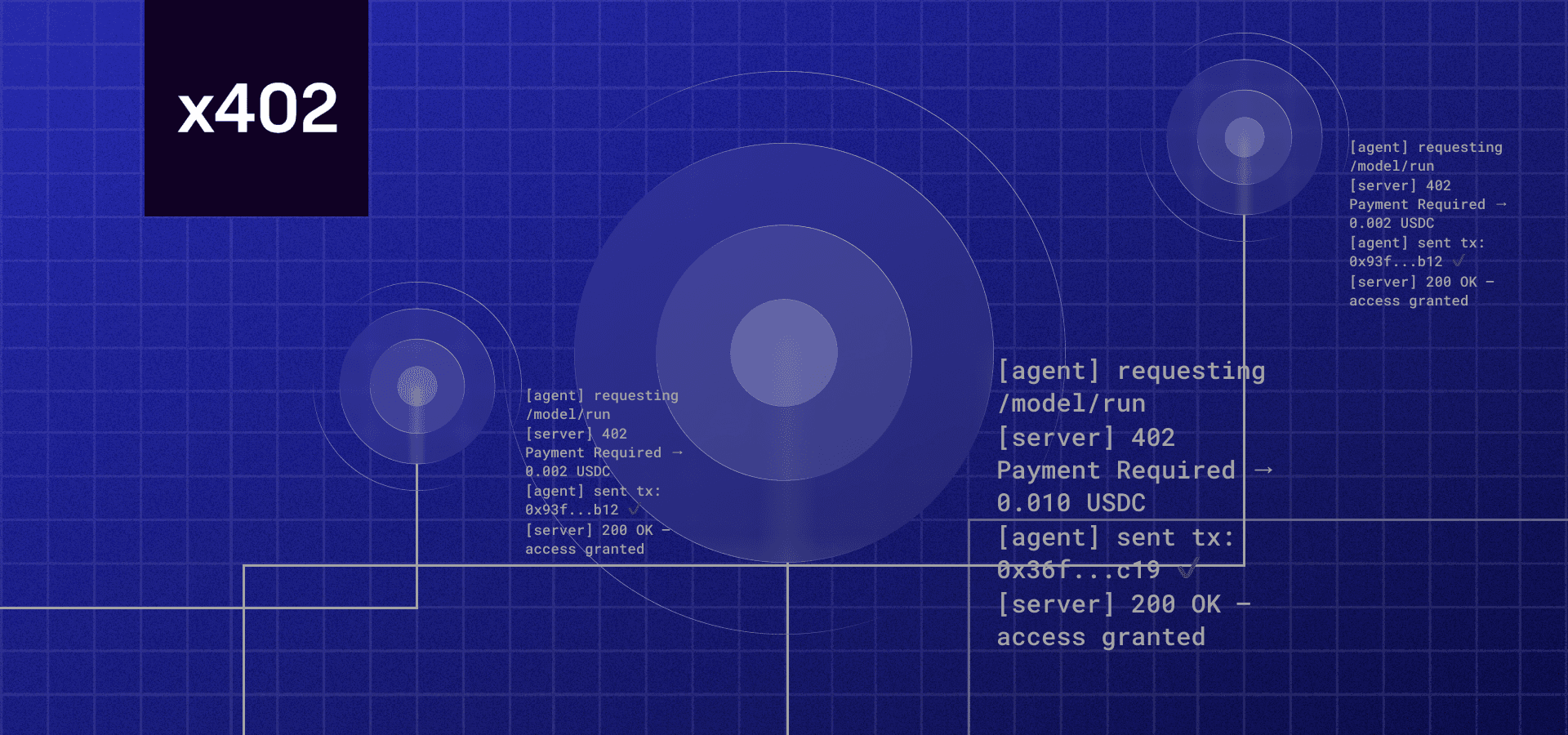
Not all merchants accept all digital currencies. The agent checks the merchant’s payment gateway to see which stablecoins are supported, such as USDC, USDT, or DAI. It then selects the one with the highest liquidity and lowest conversion slippage to ensure the payment value remains stable for the recipient.
Once the path is chosen, the agent signs the transaction and broadcasts it. It then monitors the blockchain for confirmation. If the first attempt fails due to a temporary glitch, the agent can instantly retry on a different network or with a different fee structure, a process known as fallback routing.
This dynamic approach transforms payment from a static, single-attempt action into a resilient workflow. By constantly adapting to real-time network data, AI agents can maintain high success rates even when individual blockchains experience outages or spikes in activity. This reliability is essential for autonomous agents that need to operate 24/7 without human intervention.
The x402 Protocol and Key Players
Before looking at the infrastructure, it helps to clear up a common point of confusion. The term "AI 402" often refers to a well-known academic course on artificial intelligence at MIT. In the context of payments, however, we are discussing x402, a technical standard for machine-readable payments. While the course name shares a number with the HTTP 402 status code (Payment Required), the x402 protocol is a distinct, open-source framework designed to let AI agents and APIs handle transactions autonomously.
The backbone of this system is the x402 Foundation, which launched in July 2026 under the Linux Foundation. Its mission is to standardize internet-native payments for AI agents and applications. By treating payment as a fundamental layer of the internet rather than an add-on, the foundation aims to reduce the friction that currently blocks machine-to-machine commerce. This open-governance approach ensures that the protocol remains neutral and accessible to developers building the next generation of autonomous software.
Two major technology players are central to making this standard practical. Coinbase provides the necessary crypto infrastructure, enabling seamless transactions across various digital assets. Meanwhile, Cloudflare is integrating x402 directly into its network edge, allowing APIs to reject requests that haven't been paid for. This combination of financial rails and network-level enforcement creates a robust environment where AI agents can reliably pay for data and compute power.
Real-World Use Cases for Agents
To distinguish the payment protocol from the academic course, we refer to the standard as x402. This protocol enables AI agents to transact autonomously by treating HTTP 402 responses as machine-readable payment requests. Instead of requiring manual approval for every micro-transaction, agents can execute payments directly from their wallets.
The most common application is covering API inference costs. When an agent calls a large language model, the provider can return an x402 response indicating the fee for that specific token generation. The agent pays the amount in stablecoins and immediately receives the inference result. This allows for granular billing based on exact compute usage rather than flat monthly subscriptions.
Data access fees represent another critical use case. Agents frequently need to query proprietary databases, weather APIs, or financial feeds. With x402, these services can demand payment before releasing the dataset. The agent verifies the payment receipt and proceeds with the data retrieval. This creates a frictionless marketplace for data where access is granted instantly upon settlement.
No comments yet. Be the first to share your thoughts!