
What the x402 protocol enables
The x402 protocol revives the HTTP 402 status code to create a standardized path for autonomous machine-to-machine transactions. In traditional accounts payable, AI reads invoices and enters data, but humans must review that data before accepting it into the system. Algorithms then apply approval rules to route each invoice to the right people. This human-in-the-loop model creates friction for low-value, high-frequency transactions.
x402 removes that friction by allowing AI agents to make instant micropayments autonomously using cryptocurrency. Instead of triggering a human approval workflow for a $0.50 API call, an AI agent can receive a 402 response, process the payment, and gain immediate access to the service. This shifts the paradigm from human-led accounts payable to automated, agent-driven commerce.
The protocol was developed to support the growing ecosystem of AI agents that require seamless, automated financial interactions. As discussed by Nemil Dalal from Coinbase, this open standard enables AI agents to pay for online services without human intervention, transforming how digital resources are consumed and compensated.
This mechanism is particularly useful for automated invoicing scenarios where the volume of transactions exceeds the capacity of manual processing. By encoding payment requirements directly into the HTTP response, the protocol ensures that services are paid for instantly and accurately, reducing the risk of late payments or service interruptions due to administrative delays.
Preparing your AI agent for x402
Before an AI agent can handle automated invoicing, it must be equipped to negotiate and settle payments directly. The x402 standard, launched by Coinbase in partnership with Cloudflare, enables this by integrating payment logic into the HTTP protocol. This setup requires specific infrastructure to ensure your agent can authenticate and transfer funds securely.

Isolate your agent’s funds in a dedicated wallet. This limits exposure if the agent is compromised. Use a multi-signature wallet for high-value transactions to require human approval for large payouts. This step is critical for financial security in automated workflows.

Generate API keys that allow your agent to interact with payment gateways and invoice data sources. Store these keys in a secure environment variable manager, never in your codebase. Ensure the keys have the minimum necessary permissions to prevent unauthorized access to your broader financial data.

Update your agent’s code to handle HTTP 402 Payment Required responses. When an API returns a 402 status, your agent should automatically trigger a payment transaction from the dedicated wallet. This logic bridges the gap between service consumption and settlement without human intervention.

Use sandbox modes provided by your payment processor to simulate invoice payments. Verify that the agent correctly identifies unpaid invoices, initiates the x402 payment flow, and receives confirmation. This prevents accidental real-world transactions during the development phase.
Configure automated invoice triggers
Setting up automated triggers for AI 402 Pay requires mapping specific invoice events to payment workflows. This ensures that invoices are processed and paid without manual intervention, reducing latency and errors. The goal is to create a seamless loop where data entry, validation, and payment execution happen in sequence.

Identify the exact invoice attributes that signal readiness for payment. Common triggers include matching purchase orders, approved line items, or receipt of digital goods. Configure your system to listen for these specific events. Use the x402 specification as a reference for how agents negotiate and confirm these triggers.
Establish clear validation criteria before any payment is authorized. This includes verifying invoice totals, checking for duplicate submissions, and ensuring compliance with tax regulations. AI agents should flag discrepancies for human review rather than auto-approving them. This step prevents costly errors and maintains audit trails.

Connect your invoicing system to the payment processor that supports AI 402 transactions. Ensure that the API keys and authentication tokens are securely stored. Test the connection to confirm that payment requests are being sent and received correctly. Use a sandbox environment for initial testing to avoid financial risk.
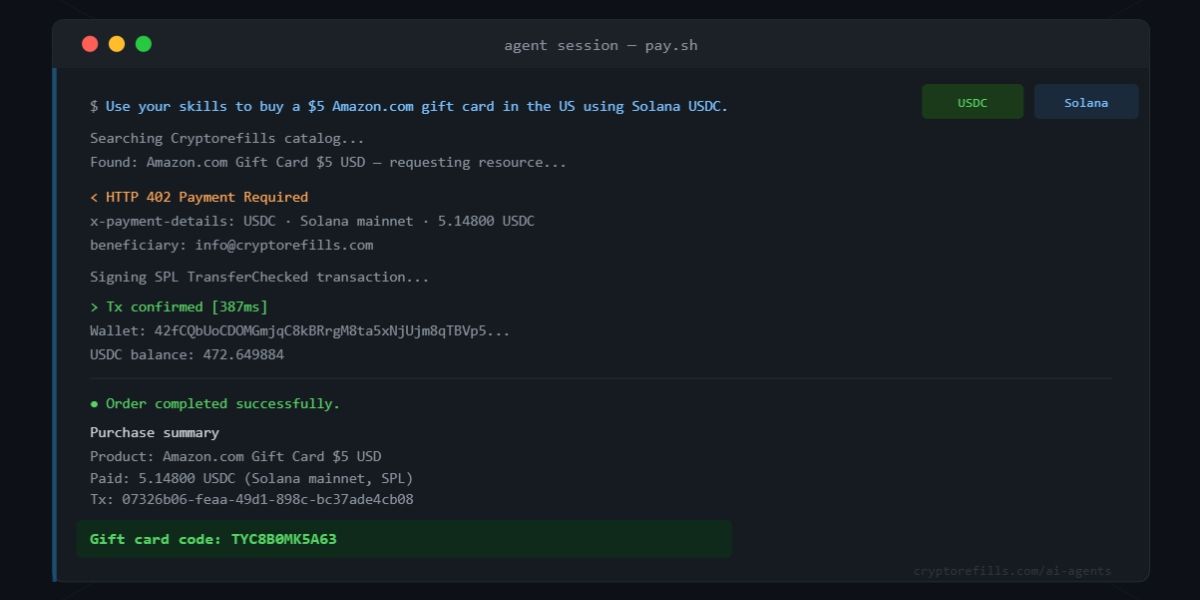
Run a series of test invoices through the system to verify end-to-end functionality. Check that triggers fire at the right time, validation rules are applied correctly, and payments are executed without delay. Document any issues and adjust the configuration as needed. This step is critical for ensuring reliability in production.
-
Trigger conditions match invoice data sources
-
Validation rules cover all error cases
-
Payment gateway API keys are active
-
Sandbox tests passed successfully
-
Audit logs are enabled
Once configured, monitor the system closely for the first few weeks. Adjust thresholds and rules based on real-world performance. This iterative approach ensures that your AI 402 Pay implementation remains robust and efficient.
Handling payment failures and retries
Autonomous invoicing removes the human pause, which means the system must handle errors without waking a finance manager. When an AI agent attempts to settle an invoice via the x402 protocol, network latency, insufficient liquidity, or incorrect wallet addresses can cause immediate rejection. The system must distinguish between a temporary glitch and a permanent failure to prevent endless loops or lost revenue.
1. Implement exponential backoff
Do not retry a failed transaction immediately. If a blockchain node times out or a payment gateway returns a 503 error, wait briefly before trying again. Use exponential backoff: wait 1 second, then 2, then 4, then 8. This prevents your agent from flooding the network with requests that will likely fail for the same reason. This approach is standard for handling transient network issues in automated crypto payments.
2. Set a maximum retry limit
Always implement a hard cap on retries. If an invoice fails after three attempts, stop. Continuing to retry indefinitely wastes computational resources and may trigger spam filters or rate limits on payment processors. Once the limit is reached, the system must flag the transaction as "pending review" rather than letting it hang in a failed state.
3. Route to fallback payment methods
If the primary crypto payment fails, the system should attempt a fallback if one is configured. This might mean switching from a stablecoin to a different currency, or falling back to a traditional ACH transfer if the x402 protocol is unavailable. The agent should log the reason for the switch so the accounting team can reconcile the discrepancy. This ensures the vendor gets paid even if the primary automated channel experiences downtime.
4. Log and alert on persistent failure
When all retries and fallbacks fail, the system must generate an alert. This is not a bug; it is a feature. The alert should include the invoice ID, the error code, and the last attempted transaction hash. This data allows the finance team to investigate whether the issue is with the vendor's wallet, a blockchain congestion event, or a bug in the payment logic.
Common x402 integration: what to check next
Understanding the difference between automated invoice processing and autonomous agent payments is essential for proper implementation. AI in payments typically refers to algorithms that read invoices, extract data, and route them for human review before approval. This process relies on human oversight to ensure accuracy and compliance.
The x402 protocol, however, enables AI agents to make cryptocurrency payments autonomously without requiring manual intervention or subscription accounts. This distinction is critical: standard AI payment tools assist humans, while x402 allows agents to transact independently. As noted by experts, AI will not replace the need for consistent human oversight in bill payments entirely.
No comments yet. Be the first to share your thoughts!