
Why AI payment processing matters now
The landscape of digital transactions has shifted. What used to be simple card swipes are now complex networks of data points that fraudsters exploit with increasing sophistication. For merchants, the cost of fraud isn't just the lost transaction; it's the chargeback fees, the administrative burden of dispute resolution, and the erosion of customer trust. AI payment processing has moved from a luxury to a necessity because manual review cannot keep pace with the volume and velocity of modern threats.
AI systems analyze transaction patterns in real time, spotting anomalies that human analysts would miss. For instance, when a customer suddenly attempts a high-value purchase from a different country at an unusual hour, AI flags it instantly. It doesn't just block the transaction; it evaluates the risk score based on historical behavior, device fingerprinting, and biometric data. This means legitimate customers aren't stopped by rigid rules, while sophisticated fraudsters are blocked before they can cash out.
Beyond security, AI drives conversion by removing friction. Traditional fraud filters often reject valid transactions because they are too cautious. AI payment processing reduces false declines by understanding context. A customer buying a travel ticket during a holiday season might trigger a false alarm in a legacy system, but an AI model recognizes the seasonal pattern and approves the payment. This balance of speed and security directly impacts revenue, ensuring that every legitimate dollar reaches the merchant's account.
The urgency is clear. As fraud tactics evolve to mimic legitimate user behavior, static rule-based systems become obsolete. AI payment processing adapts continuously, learning from new threats and updating its defenses automatically. For businesses operating in 2026, adopting these systems is not just about protecting assets; it is about enabling seamless, trusted commerce at scale.
How real-time fraud detection works
AI payment processing acts like a security guard who knows every customer’s habits before they even reach the counter. Instead of relying on static rules like "block if over $500," machine learning models analyze hundreds of data points in milliseconds. These include device fingerprint, location history, typing speed, and spending patterns. This allows the system to distinguish between a legitimate purchase and a stolen card attempt instantly.
The process begins the moment a transaction is initiated. The AI engine scores the risk of each action against a global database of known fraud behaviors. If the score is low, the payment clears without friction. If it flags suspicious activity, the system can request additional verification or block the transaction entirely. This happens so quickly that the customer experiences no delay, preserving the conversion rate while keeping the merchant safe.
Consider a common scenario: a card used in New York is suddenly attempted in London ten minutes later. Traditional systems might flag this based on location alone, but AI considers the travel context. If the user has a history of international travel or has recently updated their location settings, the AI may allow the transaction. Conversely, if the device ID is new and the IP address is from a known proxy server, the system blocks it. This nuance prevents false positives that frustrate customers and lost revenue for merchants.
The system gathers real-time data from the user’s device, browser, and payment gateway. This includes IP address, geolocation, and behavioral metrics like mouse movements or keystroke dynamics. This initial snapshot forms the baseline for the risk assessment.

The AI compares the current transaction against the cardholder’s historical spending habits. It looks for deviations in amount, merchant category, or time of day. If the transaction aligns with past behavior, the risk score remains low. If it deviates significantly, the score increases, triggering deeper scrutiny.

The engine checks the transaction against a live database of known fraudulent IPs, devices, and card numbers. This global view allows the system to recognize attacks that are happening elsewhere in real-time. If a match is found, the transaction is blocked immediately, regardless of the user’s individual history.
Based on the risk score, the AI decides whether to approve, decline, or challenge the transaction. Low-risk payments are approved instantly. High-risk payments are declined or sent for manual review. Medium-risk transactions may trigger step-up authentication, such as a biometric check or SMS code, balancing security with user convenience.
Smart routing that keeps revenue moving
AI payment processing shifts routing from static rules to dynamic decision-making. Instead of applying the same hard blocks to every transaction, the system evaluates each payment in real time. It weighs the customer’s history, device signals, and behavioral patterns to determine the safest path for approval. This approach reduces false declines—rejections of legitimate transactions—while catching actual fraud before it clears.
The result is a smoother checkout experience that directly impacts your bottom line. When a customer’s card is declined unnecessarily, they rarely come back. By allowing more legitimate payments to proceed, you capture revenue that rule-based systems would otherwise lose. This is especially critical for high-risk categories or international transactions where traditional filters are often too aggressive.
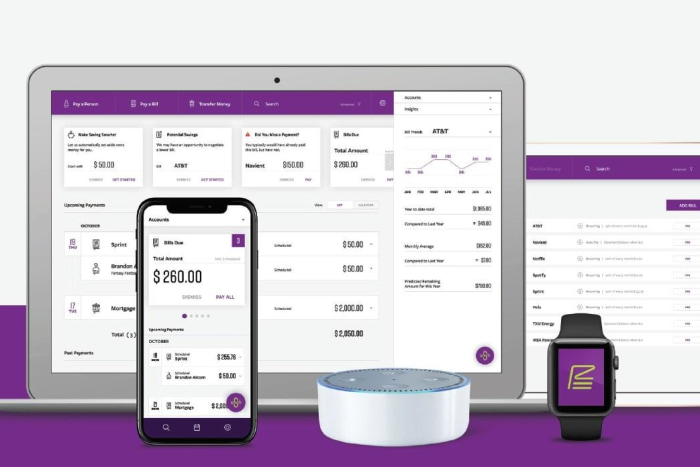
The table below compares how traditional rule-based blocking stacks up against AI adaptive approval rates across key metrics.
| Metric | Traditional Rule-Based | AI Adaptive Routing |
|---|---|---|
| False Decline Rate | High (5-15%) | Low (<2%) |
| Approval Speed | Static (1-2s) | Dynamic (<1s) |
| Fraud Detection | Reactive | Proactive |
| Customer Friction | High | Low |
Key AI payment features for merchants
Modern AI payment processing goes beyond simple transaction routing. It acts as an intelligent layer that automates complex compliance tasks and reconciliation, allowing merchants to scale without adding administrative overhead. By leveraging natural language processing and predictive modeling, these systems catch fraud patterns that traditional rule-based engines miss.
Natural language compliance
Regulatory requirements vary by region and change frequently. AI platforms use natural language processing to interpret new compliance rules and automatically adjust payment workflows. For example, if a new sanctions list is released, the system updates its screening criteria in real time, preventing transactions with flagged entities before they occur. This reduces the risk of costly fines and account freezes.
Automated reconciliation
Reconciling payments across multiple gateways and currencies is a major time sink. AI-driven reconciliation matches incoming funds with invoices and order data automatically. It identifies discrepancies—such as partial payments or currency conversion errors—and flags them for review. This automation cuts reconciliation time by up to 80%, ensuring your books are accurate and up to date without manual intervention.
Real-time fraud detection
AI models analyze thousands of data points per transaction, including device fingerprint, location history, and behavioral biometrics. Unlike static rules, these models adapt to new fraud tactics instantly. For instance, if a merchant sees a spike in "card-not-present" fraud from a specific IP range, the AI can dynamically tighten verification requirements for those requests, blocking fraudulent attempts while letting legitimate customers through.

Key AI payment features to look for in a gateway
- Real-time fraud scoring with adaptive thresholds
- Automated invoice matching and reconciliation
- Natural language processing for compliance updates
- Multi-currency support with dynamic conversion
- API integration with existing ERP systems
- 24/7 automated dispute management support
Choosing the right AI payment gateway
Selecting a payment provider in 2026 is less about choosing a processor and more about selecting an intelligent security layer. The right AI payment gateway does not just move money; it actively defends your revenue while keeping the checkout experience frictionless. When evaluating vendors, focus on two practical criteria: integration ease and fraud accuracy.
Integration ease
Your team’s time is finite. A gateway that requires weeks of custom engineering to connect with your existing stack is a liability. Look for providers offering robust, well-documented APIs and pre-built plugins for your current commerce platform. The best AI tools integrate invisibly, running background checks without adding steps to the customer’s journey. If onboarding feels like a major IT project, it will slow down your ability to launch new features or adapt to market changes.
Fraud accuracy
Not all AI fraud detection is created equal. You need a system that distinguishes between benign anomalies and genuine threats with high precision. Modern AI models analyze behavioral biometrics, device fingerprints, and transaction patterns in real time to catch sophisticated attacks like account takeover attempts or synthetic identity fraud. These systems adapt continuously, learning from new threat vectors without requiring manual rule updates from your team. High accuracy means fewer false declines—legitimate customers who get blocked because the system was too aggressive. Every false decline is a lost sale and a frustrated shopper.
Prioritize vendors that offer transparent reporting on false positive rates. A gateway that blocks 10% of legitimate transactions to catch 99% of fraud is costing you more in lost revenue than it saves in chargebacks. The ideal partner balances security with conversion, ensuring that your AI payment processing cuts fraud without cutting into your growth.
Frequently asked questions about AI payments
How is AI used in payment processing?
AI transforms payment processing by automating the heavy lifting of invoice processing, reconciliation, and real-time tracking. Beyond speed, it acts as a dynamic security layer, detecting fraud patterns instantly and adapting to new threats faster than manual review ever could. This means fewer declined transactions and a smoother checkout experience for your customers.
Which country leads in AI payment adoption?
The United States remains the dominant force in the global AI race, outpacing other nations in development and deployment. For merchants, this means the most mature tools and infrastructure are often US-based, offering robust support for advanced fraud prevention and conversion optimization technologies that are just beginning to scale elsewhere.
Can AI help me pay my bills?
AI doesn't automatically pay your bills or manage your finances without your input. It’s a tool for efficiency, not autonomy. While it can flag due dates or suggest optimizations, it requires your consistent oversight to execute payments. Think of it as a smart assistant that prepares the paperwork, not a substitute for your financial discipline.
No comments yet. Be the first to share your thoughts!