
Why 2026 changes payroll compliance
The regulatory landscape for payroll is shifting from static annual updates to continuous, real-time adaptation. In 2026, the volume of simultaneous tax law changes across jurisdictions has reached a point where manual verification is no longer viable for most organizations. The margin for error has narrowed significantly, turning compliance from an administrative task into a high-stakes operational risk.
Traditional payroll systems rely on periodic updates to tax tables and rule sets. This approach creates a lag between a regulatory change and its implementation in payroll processing. For multinational corporations, this lag is particularly dangerous. A delay in updating a local tax rule in one jurisdiction can result in incorrect withholdings, leading to penalties, interest charges, and employee dissatisfaction. The complexity is compounded by the fact that regulations often change mid-cycle, requiring immediate adjustments that legacy systems struggle to accommodate.
Artificial intelligence addresses this vulnerability by enabling real-time compliance monitoring. Instead of relying on static databases, AI systems can ingest regulatory feeds and apply changes to payroll calculations dynamically. This capability is critical for maintaining accuracy in a environment where tax rates, withholding rules, and contribution limits change frequently and unpredictably. The shift from reactive updates to proactive adaptation is not just an efficiency gain; it is a necessary safeguard against the escalating costs of non-compliance.
The stakes are high. Penalties for payroll errors can accumulate rapidly, especially when they involve multiple jurisdictions with different regulatory frameworks. In 2026, the expectation is that payroll providers will offer tools that not only process payments but also continuously audit compliance status. Organizations that fail to adopt these AI-driven solutions risk falling behind in both accuracy and regulatory alignment, exposing themselves to significant financial and reputational damage.
Top AI payroll platforms for 2026
Selecting an AI payroll system requires matching vendor capabilities to your specific compliance landscape and operational scale. The following comparison highlights five leading platforms evaluated for 2026, focusing on their AI-driven automation, regulatory adherence, and core functionality.
This selection draws from expert evaluations of market leaders, including ADP, Paycom, Rippling, Paychex, and Workday. These vendors represent the primary tier of enterprise-grade payroll automation, each offering distinct advantages in multi-state tax handling, employee self-service, and integration ecosystems.
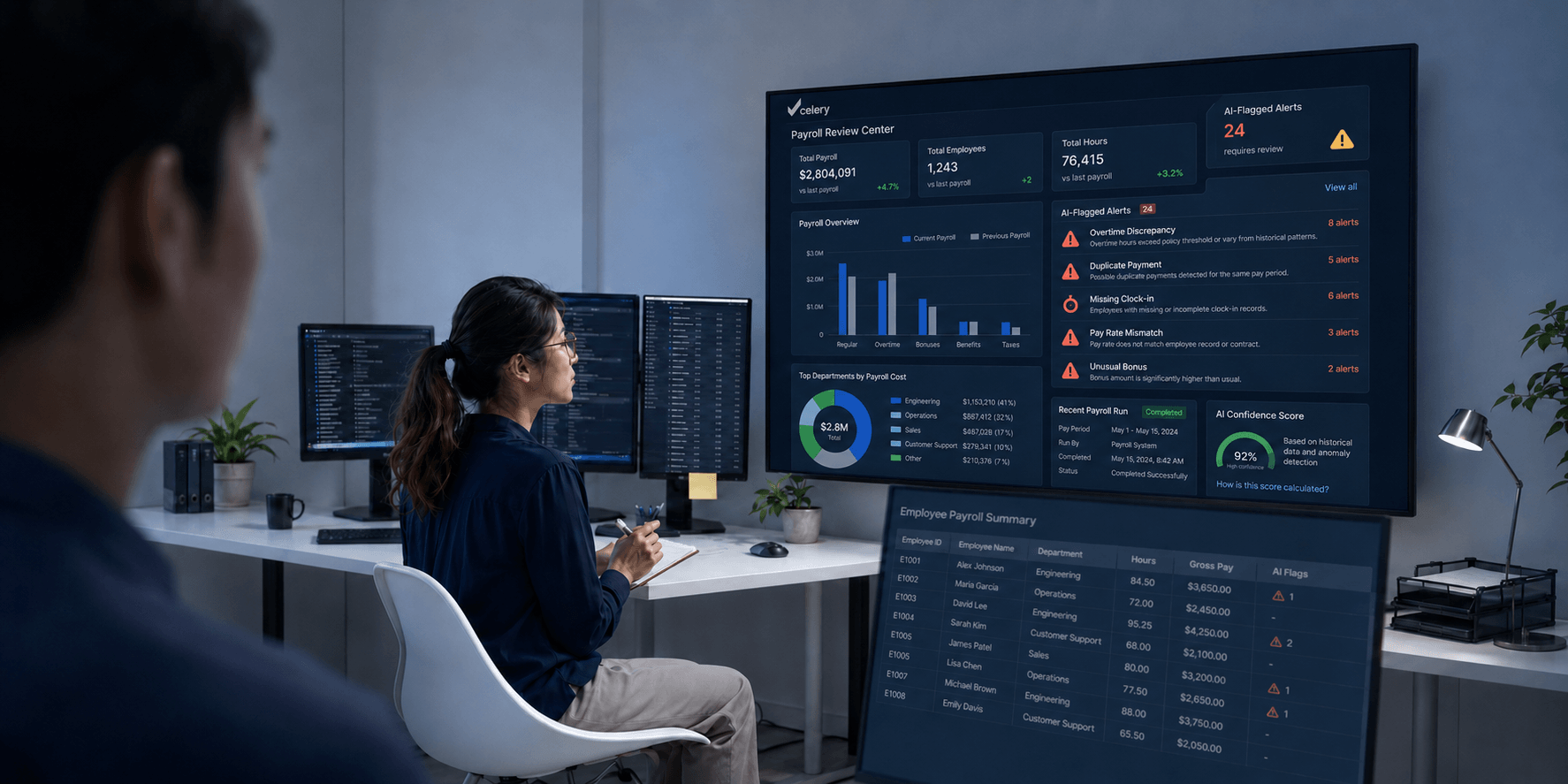
The table below compares key features, compliance capabilities, and pricing tiers of top AI payroll vendors.
| Vendor | AI Automation | Compliance Scope | Pricing Model |
|---|---|---|---|
| ADP | Predictive analytics for tax filing and anomaly detection | US, Canada, UK, and 20+ countries | Per employee/month, tiered by service level |
| Paycom | Voice-enabled payroll processing and automated time tracking | US multi-state tax automation | Per employee/month, usage-based |
| Rippling | Automated workflow orchestration and IT/payroll sync | US, Canada, and 10+ countries | Per employee/month, modular add-ons |
| Paychex | AI-driven payroll error detection and tax filing | US, Canada, and UK | Per employee/month, flat-rate options |
| Workday | Machine learning for predictive workforce planning | Global compliance for 100+ countries | Enterprise subscription, custom quoting |
Automated tax filing and error reduction
AI payroll systems in 2026 have moved beyond simple calculation to autonomous regulatory adherence. Agentic AI architectures now handle multi-step tax filing independently, continuously monitoring federal, state, and local jurisdictional changes. This automation significantly reduces the manual burden on payroll teams while minimizing the risk of costly compliance errors.
How AI manages tax compliance
The core of automated tax filing lies in real-time data synchronization with government databases. AI systems ingest changes to tax codes, withholding tables, and filing deadlines as they occur. Instead of relying on static software updates, these tools apply dynamic logic to each employee’s pay cycle, ensuring that calculations reflect the most current legal requirements across all applicable jurisdictions.
Reducing manual errors
Manual tax calculations are prone to human error, particularly in complex multi-state payroll scenarios. AI reduces these errors by automating data entry and validation. Machine learning models identify anomalies and flag potential issues before submission, such as incorrect wage base calculations or mismatched employee classifications. This proactive error detection prevents penalties and interest charges that often result from late or inaccurate filings.
Ensuring adherence to changing regulations
Regulatory landscapes shift frequently, making compliance a moving target. AI payroll platforms mitigate this risk by continuously updating their compliance engines. These systems are designed to adapt to new legislation without requiring manual intervention from payroll administrators. By automating the adherence process, businesses can maintain compliance with greater confidence and efficiency.
The system begins by securely ingesting employee data, including W-4 forms and state-specific withholding information. AI validates this data against current regulatory requirements, flagging any inconsistencies or missing information before processing begins. This initial validation step is critical for ensuring accurate tax calculations from the outset.
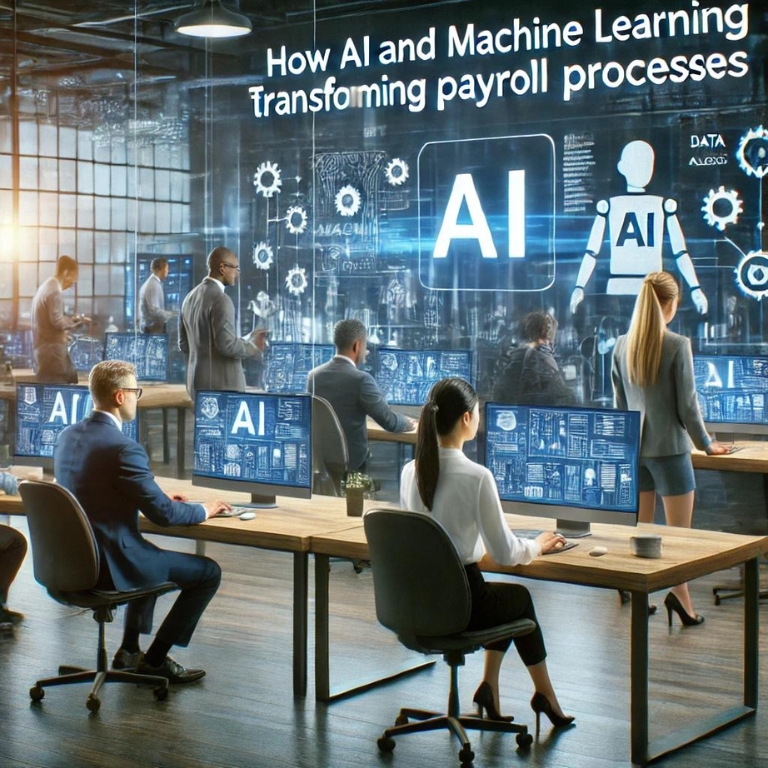
Using real-time tax tables and jurisdictional rules, the AI calculates federal, state, and local taxes for each pay period. The system applies the correct withholding rates and considers any changes in tax laws that may have occurred since the last pay cycle. This dynamic calculation ensures that tax liabilities are accurately determined for every employee.
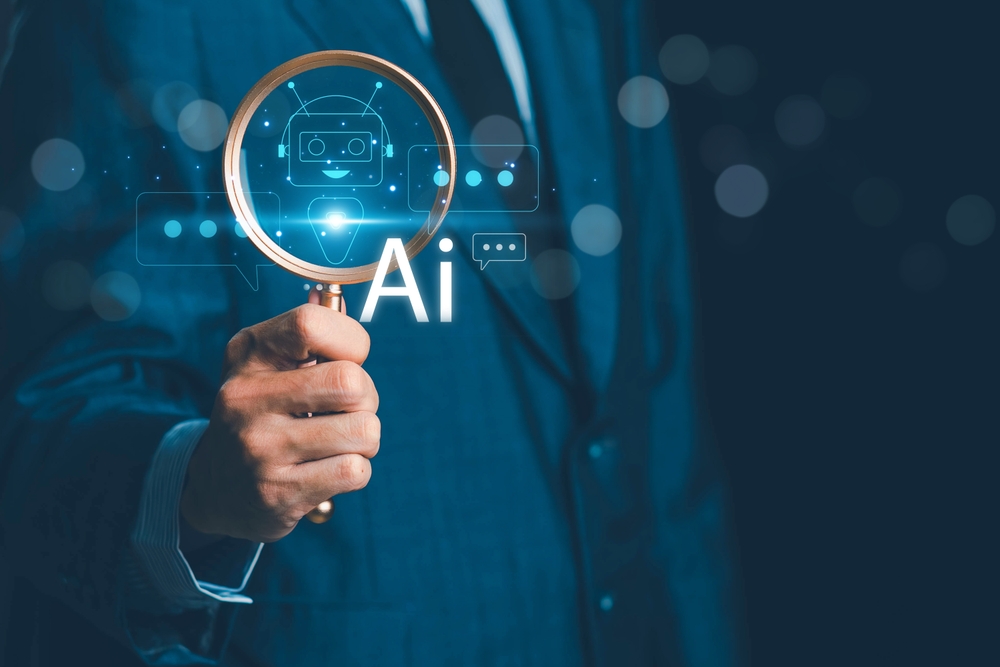
AI systems automatically scan calculated taxes for anomalies, such as unusual withholding amounts or mismatched classifications. When exceptions are detected, the system reroutes them to a compliance queue for human review. This step prevents errors from propagating into final filings and ensures that complex cases receive appropriate attention.
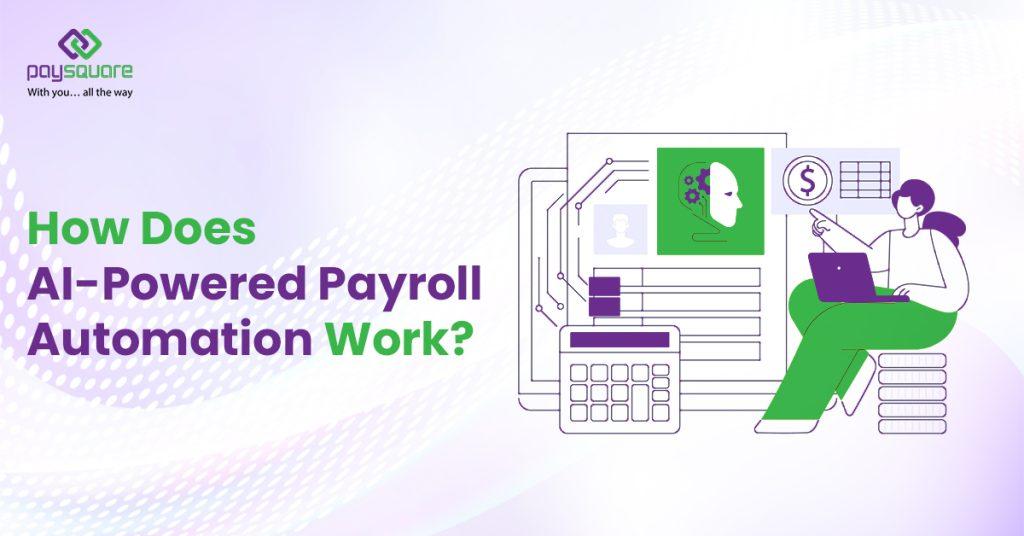
Once calculations are validated, the AI generates all necessary tax forms and filings. These documents are automatically submitted to the appropriate government agencies through secure electronic channels. The system tracks submission confirmations and updates records to reflect the status of each filing, providing a clear audit trail.
Before final submission, the system performs a comprehensive verification check. This includes cross-referencing calculations with source data, ensuring all required fields are populated, and confirming that filings match the latest regulatory requirements. This final verification step minimizes the risk of errors reaching government agencies.
Cost savings from predictive analytics
Predictive analytics shifts payroll from a reactive accounting function to a proactive financial instrument. By processing historical labor data, seasonal hiring patterns, and turnover rates, AI models forecast payroll liabilities with greater precision than traditional static budgets.
This forecasting capability allows finance teams to optimize labor budgets before pay periods begin. Instead of reacting to overtime spikes or unexpected headcount changes, organizations can adjust staffing levels in real time. This reduces the financial leakage associated with unapproved overtime and last-minute contract labor.
The Zalaris 2026 payroll trends report highlights that AI-driven automation streamlines these predictive tasks, minimizing manual intervention and reducing the risk of costly errors. When combined with automated data validation, these systems ensure that the financial data feeding the budget remains clean and compliant.
Organizations leveraging these tools identify potential financial risks early. By flagging anomalies in labor costs against projected benchmarks, they prevent budget overruns and maintain tighter control over operational expenses.
2026 Compliance Timeline
AI payroll automation systems must align with a strict sequence of regulatory deadlines in 2026. Failure to synchronize automated updates with these dates results in immediate penalties. The following milestones outline the critical compliance windows for payroll providers and employers.
Between January and March, organizations must verify that AI logic accurately reflects updated federal and state tax brackets. This period requires manual validation of algorithmic outputs against IRS Publication 15-T to ensure wage withholding calculations remain precise before the first major filing deadlines.

The second quarter introduces new reporting requirements for gig economy workers and independent contractors. Payroll automation tools must integrate updated 1099-NEC forms and state-specific contractor classifications. Providers must confirm their systems can automatically generate these distinct documents without manual intervention.
Mid-year compliance focuses on data privacy standards. Organizations must audit AI data retention policies to ensure they meet evolving state privacy laws. This includes verifying that automated systems correctly anonymize employee data during testing phases and that third-party AI vendors comply with current security protocols.

The final quarter requires rigorous preparation for W-2 and 1099 filing deadlines. AI systems must finalize all wage calculations and tax deductions before the January 31, 2027, deadline. This phase involves reconciling any discrepancies identified during earlier quarterly audits and ensuring all digital filings are submitted on time.
These dates are subject to change based on federal legislative actions. Organizations should consult official government resources for the most current regulatory updates.
Common ai payroll compliance: what to check next
AI payroll systems in 2026 handle multi-step tasks independently, flagging anomalies and running compliance checks without manual intervention [src-serp-5]. However, the legal landscape remains complex. Below are answers to high-stakes questions regarding accuracy, regulation, and liability.
No comments yet. Be the first to share your thoughts!